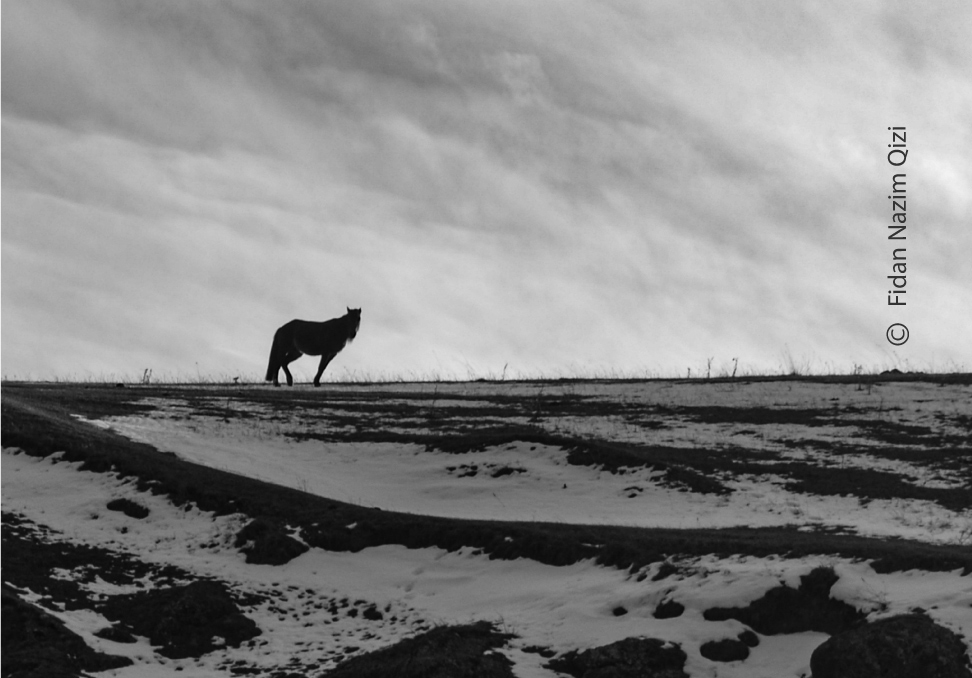
Into the Hue of Nature by Fidan Nazim Qizi
In 'Into the Hue of Nature,' the photographer captures the serene essence of the natural world, seeking a profound connection between the lens and the landscape. By utilizing a 55mm focal length at f/16, the image achieves a crisp, deliberate depth that emphasizes the intricate textures of the environment. This work serves as a personal testament to the photographer’s philosophy, where nature acts as a mirror for reality. The photograph is award-worthy for its ability to transform a quiet moment of exploration into a compelling visual narrative, inviting the viewer to experience the calming, rhythmic energy found within the wild.
Fidan Nazim Qizi
Born in Baku, Azerbaijan, Fidan Nazim Qizi is a dedicated photographer who balances her life in her home city with frequent travels to explore diverse landscapes. Inspired by the evocative black and white works of Vivian Maier, she developed a deep passion for the medium as a source of energy and inspiration. Her practice is defined by a commitment to capturing the raw beauty of nature and mountains, viewing photography as a vital tool for documenting the profound feelings and realities of the world around her.
Resonance Score Breakdown
Transparency Note: The resonance score (8.1/20) is calculated based on social engagement metrics collected before the award announcement.
Expert Photography Reviews · 7
The Quiet Between Breaths
I spent this morning trying to organize my bookshelf, but I ended up just sitting on the floor, reading the spines instead of moving them. It is funny how we think we need to be constantly rearranging our lives to make sense of them.
Read the reflection →The Breath of Damp Earth
The scent of rain on dry soil is a language the skin understands long before the mind catches up. It is a sharp, metallic tang that rises from the ground, settling into the pores like a cool, damp blanket.
Read the reflection →Reviews & Comments
Share your thoughts about this award-winning photograph. Your reviews contribute to the community engagement score.
There’s a stillness here that I find genuinely refreshing. Using a 55mm lens at f/16 suggests a photographer who didn’t chase the subject but instead invited the landscape to settle. It’s an honest, unhurried frame. I’ve spent enough time in the field to know when someone’s actually sat with a place rather than just passing through. It’s not about the gear; it’s about the restraint. This feels earned, not extracted. It’s a quiet, welcome relief.
There’s a quiet distance here that feels more like observation than connection. While the landscape is sharp, the subject feels like an accessory to the scenery rather than a person I’ve been invited to know. I’m left wondering if they even knew the shutter was clicking. I crave that spark of recognition in the eyes, but it’s missing. It’s a pretty scene, sure, but I don’t feel the weight of a human life behind it.
Before the eye identifies the landscape, a sudden stillness settles in the chest. The sharpness of the f/16 aperture forces a rhythmic, almost hypnotic focus that slows my pulse. It’s a quiet, green-drenched invitation to breathe. When I return to it, the texture of the foliage feels like a half-remembered dream. I’ve found myself lingering here, feeling the cool, damp air of Quba against my skin. It doesn’t just capture nature; it recalibrates my internal pace.
You’ve captured a quiet stillness here that’s rare. I’m looking at these textures, and I can almost feel the damp air of Quba against my own skin. It’s not just a landscape; it’s a moment of genuine solitude. You didn’t rush the frame. Because you waited, the light feels earned, not forced. It’s honest work. I’ve spent years in the field, and I know that feeling of finding peace in the wild. You found it.
The street isn’t just concrete; it’s rhythm. Qizi’s shot in Quba captures that stillness, but I’m looking for the pulse. The f/16 depth is sharp, sure, but does it breathe? Cartier-Bresson would’ve waited for a figure to break that silence. It’s technically clean, yet I crave the chaos of a Winogrand frame. It’s a beautiful study, but one tenth of a second later, maybe the light would’ve told a deeper story. I’m still waiting for the spark.
The D3100’s sensor struggles with the dynamic range here, yet there’s a quietude that recalls the early pictorialist landscapes of Robert Demachy. It’s a modest, deliberate study of texture. While it doesn’t quite break new ground in the lineage of the pastoral, I’m genuinely struck by the rhythmic repetition of the foliage. It’s a humble, honest frame. I’ve seen a thousand landscapes, but this one’s restraint feels like a breath of fresh air amidst the noise.
The frame breathes. It’s a wide shot that refuses to cut, holding the stillness of Quba like a held breath before the dialogue begins. At f/16, the depth is surgical, locking every texture into a permanent, rhythmic sequence. I’ve spent hours watching landscapes, but this one pulls me into the silence of the wild. It’s the shot an editor keeps because it’s already perfect. The motion is internal, captured in the light. It’s a beautiful, quiet tension.