Sun-Drenched Land by Anastasia Markus
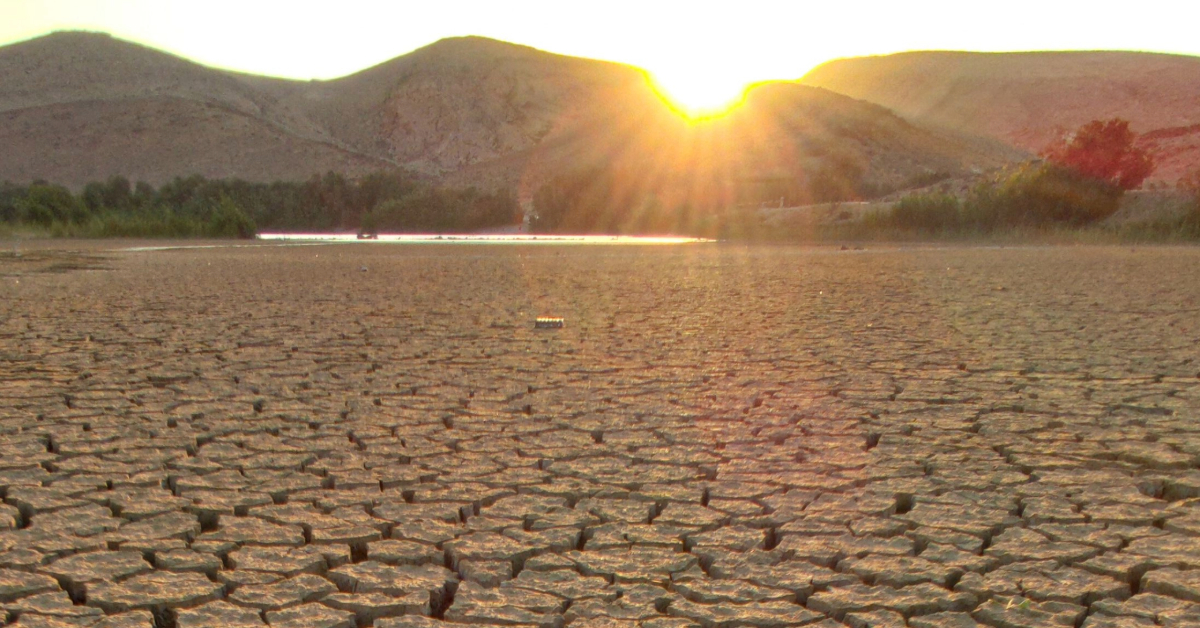
Sun-Drenched Land captures the ethereal moment when golden hour light transforms a parched landscape into a canvas of molten honey. The photographer masterfully documents the interplay of long shadows and shimmering heat waves, revealing the raw, textured beauty of the desert floor. By focusing on the quiet stillness of the terrain, the image evokes a sense of ancient mystery and resilience. This photograph is award-worthy for its evocative use of natural light, which elevates a simple arid scene into a timeless, atmospheric symphony of shadow and form.
Anastasia Markus
Born in Donetsk, Ukraine, Anastasia Markus pursued business studies before discovering her profound passion for photography. Her early career spanned diverse genres, including family, children’s, and wedding portraiture. Following a decade-long hiatus, she has returned to the craft with renewed vigor, viewing international competitions as essential catalysts for creative growth. Now based in Beer Sheva, Israel, Markus continues to refine her artistic vision, seeking to explore new facets of visual storytelling through her dedicated participation in the global photography community.
Resonance Score Breakdown
Transparency Note: The resonance score (7.7/20) is calculated based on social engagement metrics collected before the award announcement.
Expert Photography Reviews · 4
The Weight of Gold
The earth remembers the sun. It holds the heat long after the day has begun to tire. We walk across these surfaces, thinking we are the ones who leave a mark, but the ground is older.
Read the reflection →The Weight of Dust
I keep a small glass vial on my desk filled with red earth from a place I have not visited in twenty years. It is heavy, far heavier than its size suggests, as if the grit of the desert floor has absorbed the gravity of every hour spent walking upon it.
Read the reflection →Reviews & Comments
Share your thoughts about this award-winning photograph. Your reviews contribute to the community engagement score.
It’s jarring to see such unfiltered warmth. Down where I spend my time, the water greedily strips away the red and orange spectrums within mere metres, leaving us in a monochromatic blue void. Here, the golden light hits the desert floor without the refractive index of water distorting the heat waves. I’m honestly envious of how easily this light reaches the surface. It’s a stark, dry beauty that feels almost alien to my salt-crusted eyes.
The horizon line bisects the frame with clinical indifference, anchoring the arid expanse. Long shadows provide the necessary structural weight to counteract the diffuse light. It’s a rigid geometry that keeps the desert from dissolving into mere atmospheric noise. The spatial tension is palpable, though the foreground lacks a definitive fulcrum to ground the eye. I’m frustrated by the lack of a sharp focal anchor, yet the composition holds its own against the encroaching heat haze.
The light hits the desert floor like a slow-motion dissolve. It’s molten, heavy, and thick enough to touch. I’ve spent years chasing this specific golden hour glow on set, but Markus caught it perfectly. The shadows stretch out, holding the frame in a tense, silent rhythm. It’s a gorgeous, parched stillness. I’d keep this shot in the final edit; it’s the kind of frame that makes you hold your breath until the next cut.
The desert’s harsh geometry here echoes the stark, unforgiving clarity of Frith’s 19th-century Levant surveys, yet the Xiaomi’s sensor renders the heat haze with a digital softness that’s entirely modern. It’s a strange, flickering alchemy. I’ve spent decades staring at arid topographies, but the way these shadows bleed into the scorched earth actually made me catch my breath. It’s not just another sunset; it’s a quiet, shimmering disruption of the tired, golden-hour cliché.