Two in Sync by Francisco Chamaca
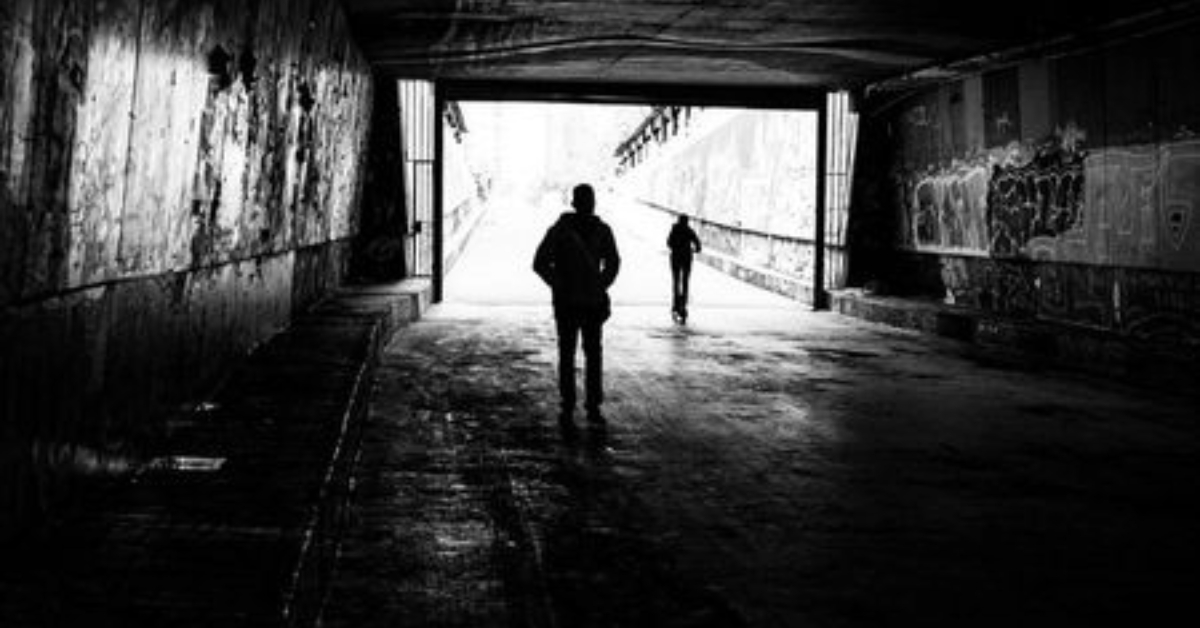
Captured during an urban exploration, this photograph highlights a tunnel illuminated by unique, atmospheric lighting. The photographer was drawn to the often-overlooked details of the city, finding beauty in spaces that pedestrians typically pass by without notice. By framing the tunnel from a fresh perspective, the image transforms an ordinary transit point into a visually compelling scene. The work is award-worthy for its keen ability to elevate mundane urban architecture into a narrative of light and shadow, encouraging viewers to pause and appreciate the hidden character of their own surroundings.
Francisco Chamaca
Based in Santiago, Chile, Francisco Chamaca has cultivated a deep passion for photography over many years, transitioning into a professional practice focused on capturing the world from unique angles. His portfolio is defined by a dual focus on landscape photography, where he highlights rare colors and remote terrains, and street photography, which captures untraditional urban situations. Committed to a path of constant learning and artistic growth, he strives to reveal the hidden beauty in everyday environments through his distinct visual lens.
Resonance Score Breakdown
Transparency Note: The resonance score (6.8/20) is calculated based on social engagement metrics collected before the award announcement.
Expert Photography Reviews · 3
The Geometry of Passing Through
I usually find these urban voids tiresome. We are conditioned to see them as mere conduits, hollowed-out spaces designed to get us from one place of importance to another as quickly as possible.
Read the reflection →The Architecture of Silence
The light that filters into a tunnel is never the light of the open sky. It is a bruised, filtered thing, stripped of the sun’s direct warmth and left to bounce against concrete until it loses its urgency.
Read the reflection →Reviews & Comments
Share your thoughts about this award-winning photograph. Your reviews contribute to the community engagement score.
The tunnel’s geometry is almost too clean, isn’t it? I find myself wishing Chamaca had surrendered to the motion of the transit point rather than freezing it at 1/320. It’s technically competent, but it’s safe. Why resolve the concrete so sharply? I’d have preferred a long exposure to dissolve the architecture into a ghostly smear, closer to Sugimoto’s theatres than this static documentation. It’s a missed opportunity to turn mundane transit into something truly visceral.
The tunnel breathes. It’s a rhythmic pulse of light hitting concrete, a frame where the motion hasn’t stopped, it’s just suspended in the dark. I love how the 25mm lens stretches the perspective, pulling the viewer into that vanishing point like a tracking shot that refuses to cut. It’s a quiet, heavy tension. Chamaca caught the exact millisecond before the scene dissolved. It’s the frame the editor keeps because it’s already a finished film.
The tunnel’s geometry echoes the stark, industrial precision of Berenice Abbott’s New York, yet the light here feels softer, almost painterly. It’s a quiet nod to the urban alienation found in Bill Brandt’s subterranean studies. I’m genuinely moved by how the 25mm lens stretches the perspective, pulling the viewer into that void. It’s not just another transit shot; it’s a rhythmic dialogue between concrete and shadow that finally makes me stop and look at the mundane again.