Traditional Musical Instrument by Moslem Azimi
Captured during a traditional religious ceremony in Paveh, Iran, this photograph highlights the cultural significance of the Daf, an ancient Kurdish instrument. The photographer chose a candid approach to document the participants, emphasizing the equality between men and women within Kurdish traditions. By focusing on the graceful engagement of the young women playing the instrument, the image serves as a powerful testament to the preservation of heritage. The composition is award-worthy for its ability to bridge the gap between historical ritual and contemporary human experience, offering a respectful and intimate glimpse into a vibrant, often underrepresented culture.
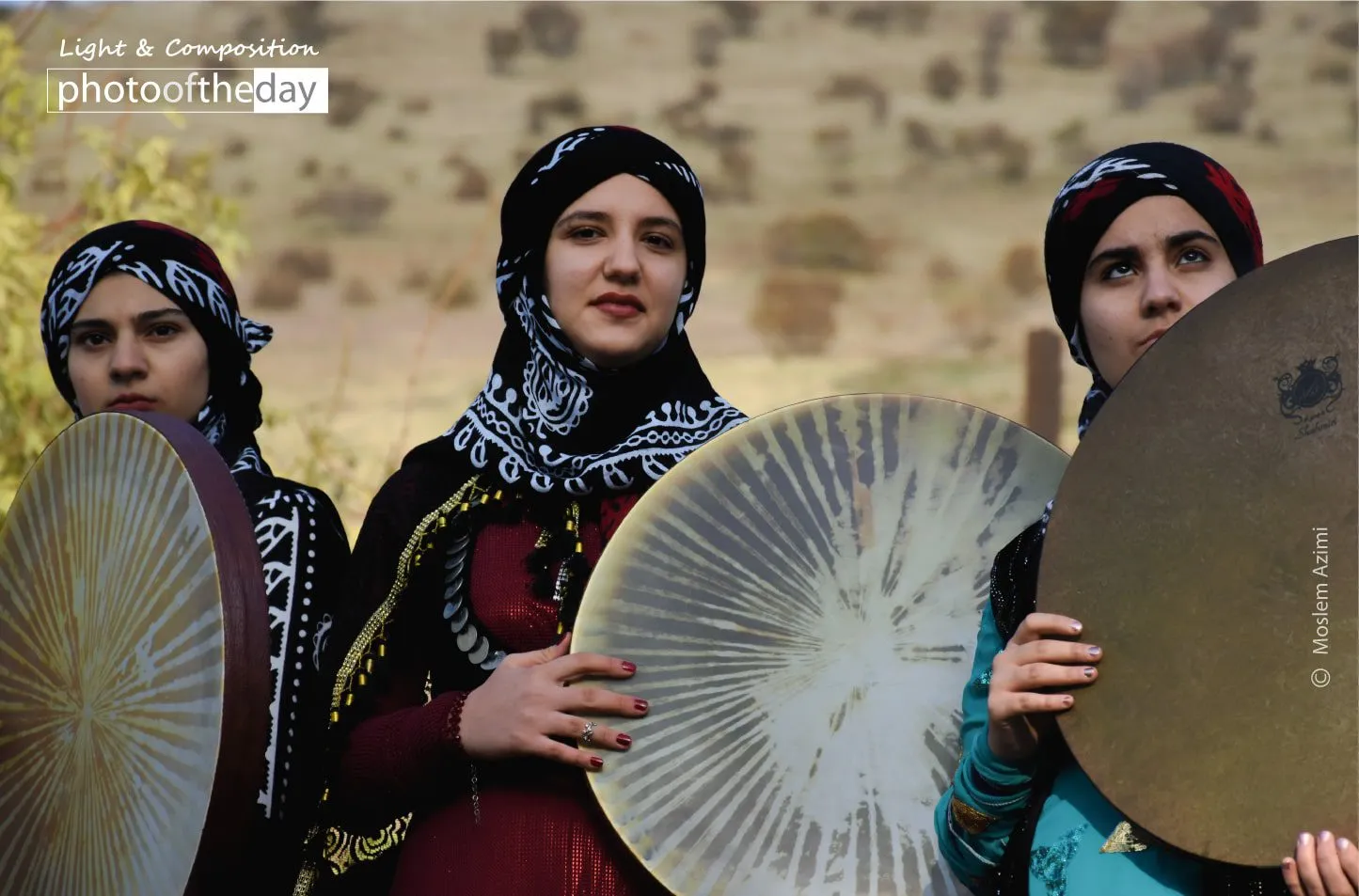
Exposure 1/320sec @ f/8 | ISO 100 | Focal Length 45mm
Moslem Azimi
Moslem Azimi is a Kurdish photographer based in Javanrud, Iran, who holds a Bachelor of Arts in English Translation. Though self-taught in the craft of photography, he has established a significant presence in both national and international exhibitions. His work is deeply rooted in his heritage, as he strives to document the Kurdish lifestyle, traditions, and cultural nuances. Through his lens, Azimi provides a vital narrative of his people, ensuring their customs are preserved and shared with a global audience.
Resonance Score Breakdown
Transparency Note: The resonance score (2.3/20) is calculated based on social engagement metrics collected before the award announcement.
Expert Photography Reviews · 4
The Pulse Beneath the Skin
The smell of dry wood and old resin always brings me back to the attic of my childhood. It was a scent that clung to the air like a secret, heavy and sweet, waiting to be released.
Read the reflection →The Echo of the Skin
There is a peculiar physics to sound that we often overlook. We think of music as something that travels through the air, a vibration that finds its way into the ear canal and settles in the mind. But before the sound exists, there is the tension.
Read the reflection →Reviews & Comments
Share your thoughts about this award-winning photograph. Your reviews contribute to the community engagement score.
We look at these young women in Paveh and we hear the rhythm before we see the frame. They aren’t just playing the Daf; they’re holding a conversation with their ancestors. I’m struck by the quiet intensity in their eyes—it’s a gaze that says they’ve listened to the music’s history. It’s a beautiful, rhythmic connection. This is a photograph that asks to be returned to, because it feels like a song I’ve known forever.
The D7000’s f/8 sharpness here feels almost apologetic. I’m struck by the rhythmic blur of the Daf’s frame; it’s the only part of the frame that truly breathes. Why resolve the background so clinically when the motion is where the ritual lives? It’s closer to Sugimoto’s long-exposure theatres than standard reportage. I’d have pushed the shutter speed down, letting the women’s hands dissolve into the music. Precision is boring; I crave the blur.
It’s easy to snap a shutter when the music starts, but capturing the precise, rhythmic tension in those hands requires more than just a quick trigger finger. One suspects Azimi didn’t just stumble upon this ceremony; he likely stood in that dust until he became part of the furniture. I’ve spent enough hours waiting for a fleeting gesture to know when someone’s actually put in the work. It’s a rare, quiet bit of earned grace.
At f/8, the 45mm focal length renders the Daf’s skin with startling micro-contrast, capturing the precise tension of the hide. I’m genuinely moved by how the lens resolves the subtle diffraction of light across the instrument’s frame. It’s a sharp, clinical capture that doesn’t sacrifice the warmth of the ritual. The depth of field holds the women’s hands in perfect focus, revealing textures the naked eye would surely miss in the ceremony’s fleeting motion.