The City by Silvia Bukovac Gasevic
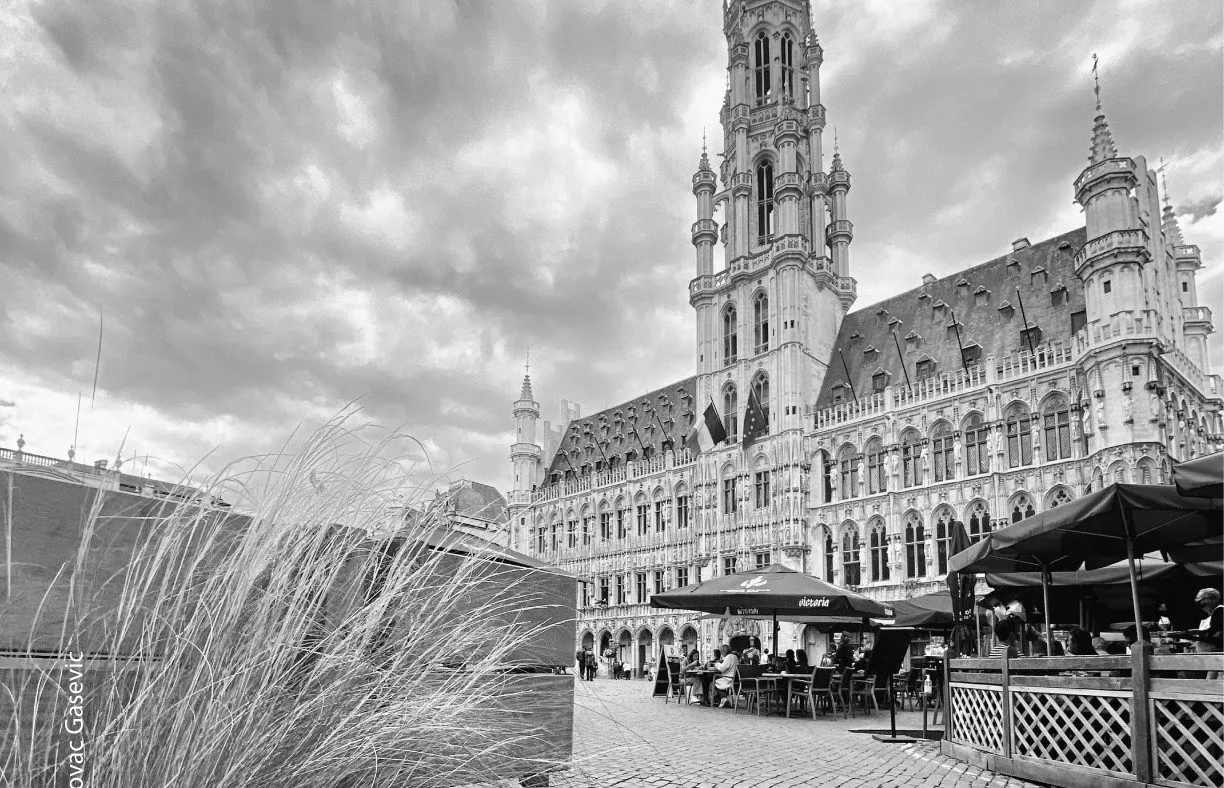
Captured amidst the atmospheric charm of Brussels, this street photograph highlights the photographer's keen eye for the interplay between urban architecture and changing weather. Recognizing that the most compelling moments often arise spontaneously, the photographer utilized a smartphone to document the narrow streets and historic, shadowed buildings. The image succeeds by transforming everyday urban textures into a cohesive visual narrative, demonstrating that technical gear is secondary to the ability to perceive beauty in the mundane. Its award-worthy quality lies in the masterful composition, which brings a sense of timelessness to the city's intricate, weathered facades.
Silvia Bukovac Gasevic
Born in Croatia and currently based in Trier, Germany, Silvia Bukovac Gasevic is a dedicated photographer with a profound passion for nature and animal imagery. As a freelancer for three international photo agencies, she maintains a relentless pursuit of the perfect, aesthetic moment, often found in the beauty of the everyday world. Her work is defined by a constant readiness to capture life through her lens, reflecting a deep-seated commitment to artistic exploration and visual storytelling.
Resonance Score Breakdown
Transparency Note: The resonance score (9.4/20) is calculated based on social engagement metrics collected before the award announcement.
Expert Photography Reviews · 5
The Weight of Grey
There is a specific, heavy grey that descends upon a city when the clouds are low and thick, pressing the moisture against the stone of the buildings until the architecture itself seems to exhale.
Read the reflection →The Echo of Cobblestones
Dear traveler, I have been thinking about the way we inhabit a place. We walk through streets that were built long before we arrived, our footsteps falling into the same rhythms as those who walked here a hundred years ago. There is a quiet comfort in that, isn't there?
Read the reflection →Reviews & Comments
Share your thoughts about this award-winning photograph. Your reviews contribute to the community engagement score.

The verticality of these Brussels facades creates a rigid, claustrophobic geometry. The frame is anchored by the sharp intersection of stone and shadow, forcing the eye into a narrow, vertical corridor. It’s a disciplined exercise in spatial tension. While the smartphone’s limitations occasionally soften the textures, the structural integrity remains intact. I’ve grown weary of street photography that relies on sentiment, but this composition holds. It’s a rare, cold clarity that doesn’t apologize for its own austerity.
Brussels breathes through these stones, doesn’t it? We look at these weathered facades and feel the weight of lives lived in the shadows. Silvia didn’t just capture architecture; she listened to the city’s silence before pressing the shutter. It’s a portrait of a place that remembers everything. I find myself leaning in, searching for the ghosts in those narrow, rain-slicked alleys. It’s a photograph that asks to be returned to, again and again.
Of the thousands of street shots I’ve reviewed, most rely on cheap tricks. What separates this from the noise is the restraint in the shadows. By letting the Brussels architecture dictate the frame rather than forcing a narrative, Gasevic captures a stillness that feels rare. It’s not just a street corner; it’s a quiet, heavy atmosphere I’d happily live inside. In thirty years, this won’t feel dated because it doesn’t try to be anything but honest.
Brussels is a city of ghosts, but this frame feels empty. I’m looking for the pulse of the street, yet there’s no one here to meet my gaze. It’s technically sound, sure, but it’s a photograph of stone, not people. I’ve spent my life chasing the warmth of a human connection, and honestly, I feel a bit cold looking at these shadows. Where is the life? A city isn’t just architecture; it’s the people breathing inside.
Brussels’ architecture usually demands the clinical sharpness of a tourist postcard, but here, the smear of rain and light feels like a deliberate erasure. It’s closer to Richter’s blurred paintings than standard street reportage. I’m genuinely moved by how the smartphone’s sensor struggles with the shadows, turning stone into soft, impressionistic noise. Why resolve the facade when the atmosphere is far more honest? It’s a brave refusal to let the city be merely documented.