Taken for Granted Sights by Swati Iyer
Captured along a serene canal in the Netherlands, this photograph serves as a poignant reminder to pause and appreciate the beauty often overlooked in our daily routines. Swati Iyer transforms a familiar route to the library into a meditative visual experience, encouraging viewers to find wonder in the mundane. The composition highlights the quiet elegance of the Dutch landscape, elevating a common sight into a meaningful artistic statement. By focusing on the interplay of light and reflection, the photographer successfully invites the audience to slow down and embrace the subtle, everyday grace that defines our surroundings.
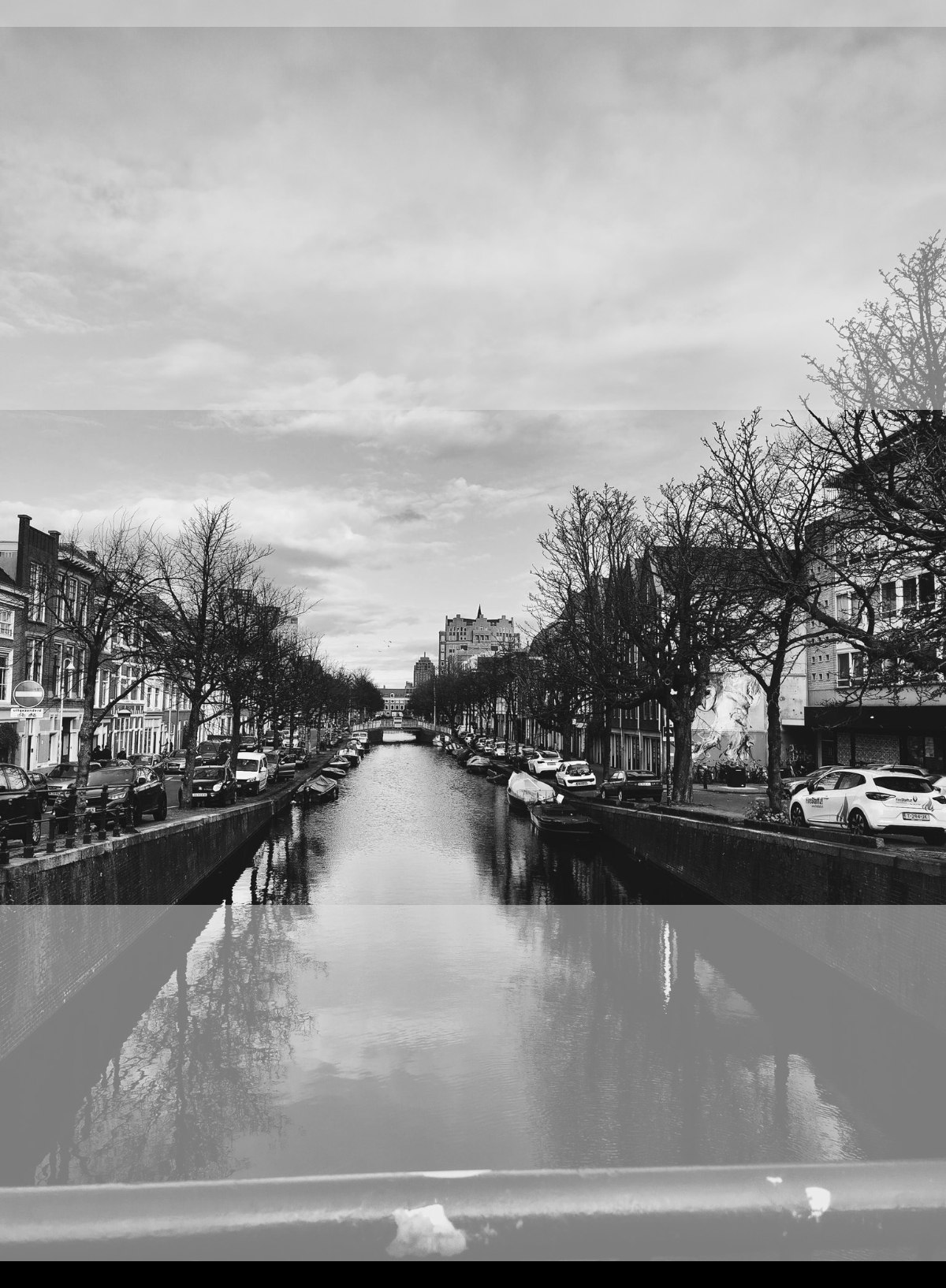
Swati Iyer
Based in the energetic city of The Hague, Dutch photographer Swati Iyer possesses a profound appreciation for the artistry found within ordinary moments. With a sharp eye for detail and a talent for capturing the essence of her surroundings, she documents both the peacefulness of nature and the activity of modern life. Whether utilizing her dependable Nikon D7000 or the spontaneity of mobile photography with her OnePlus devices, Swati consistently creates evocative images that reveal the unique narrative hidden in the everyday world.
Resonance Score Breakdown
Transparency Note: The resonance score (7.4/20) is calculated based on social engagement metrics collected before the award announcement.
Expert Photography Reviews · 5
The Weight of Water
The path is worn smooth. We walk it without looking. The feet know the way, so the eyes go elsewhere, drifting toward the future or the heavy residue of yesterday.
Read the reflection →The Ghost of the Familiar
Why do we assume that the things we see every day are truly seen? We walk through our own lives as if we are reading a book we have already memorized, our eyes skimming over the surface of the world without ever touching the ink.
Read the reflection →Reviews & Comments
Share your thoughts about this award-winning photograph. Your reviews contribute to the community engagement score.

The canal’s geometry dictates the frame’s rhythm. Vertical reflections anchor the composition, yet the horizon line lacks the necessary tension to hold the weight of the architecture. It’s a fragile equilibrium. While the light hits the water with precision, the peripheral clutter threatens to collapse the structure. I’ve seen better discipline in framing, but the alignment of the bridge provides a necessary fulcrum. It doesn’t quite achieve total cohesion, but it’s a rigorous attempt at order.
Most entries in this category rely on forced drama, but this quiet canal scene earns its place by refusing to shout. It’s a rare moment of stillness in a frantic world. I’ve seen thousands of travel shots, yet the way the reflection bleeds into the dark water here actually made me exhale. It’s not just a commute; it’s a meditation. Thirty years from now, we’ll need this reminder that beauty hides in the mundane.
The canal’s edge acts as a rigid datum, grounding the composition while the fenestration of the Dutch facades dissolves into the water’s reflection. It’s a quiet study of solid and void, yet I’m struck by how the frame omits the tactile grit of the brickwork. It’s a beautiful lie, really. I find myself wanting to step across that threshold, to feel the damp air, rather than just observing this serene, flattened geometry from afar.
It’s refreshing to see a phone camera used to dissolve the Hague’s rigid geometry rather than document it. By letting the canal’s reflections bleed into the architecture, Iyer abandons the clinical sharpness we’re usually force-fed. I’m genuinely moved by how she’s traded resolution for a painterly, impressionistic blur. It’s closer to Monet’s water lilies than conventional travel photography. Why resolve the brickwork when the light’s dance is far more honest? She’s finally stopped looking and started seeing.
The canal water holds the sky. It’s a flat, grey mirror. I’ve walked past these Dutch banks a thousand times, but here, the stillness catches my breath. The architecture doesn’t crowd the frame. It recedes. It lets the void breathe. Nothing here is accidental. The empty corner is not empty. It’s a pause. A quiet invitation to stop moving. I find myself wanting to stay in this silence. It’s enough.