Strong Curiosity by Asyrof Muzoffar
Human brain is a gift. Everything is under controlled by them. Such keeping the pet, but almost pets survived by themselves. Strong curiosity is the only weapon they have to survive. Seeking food everywhere, drinking any water they find, are the only way for them which has no owner in their life.
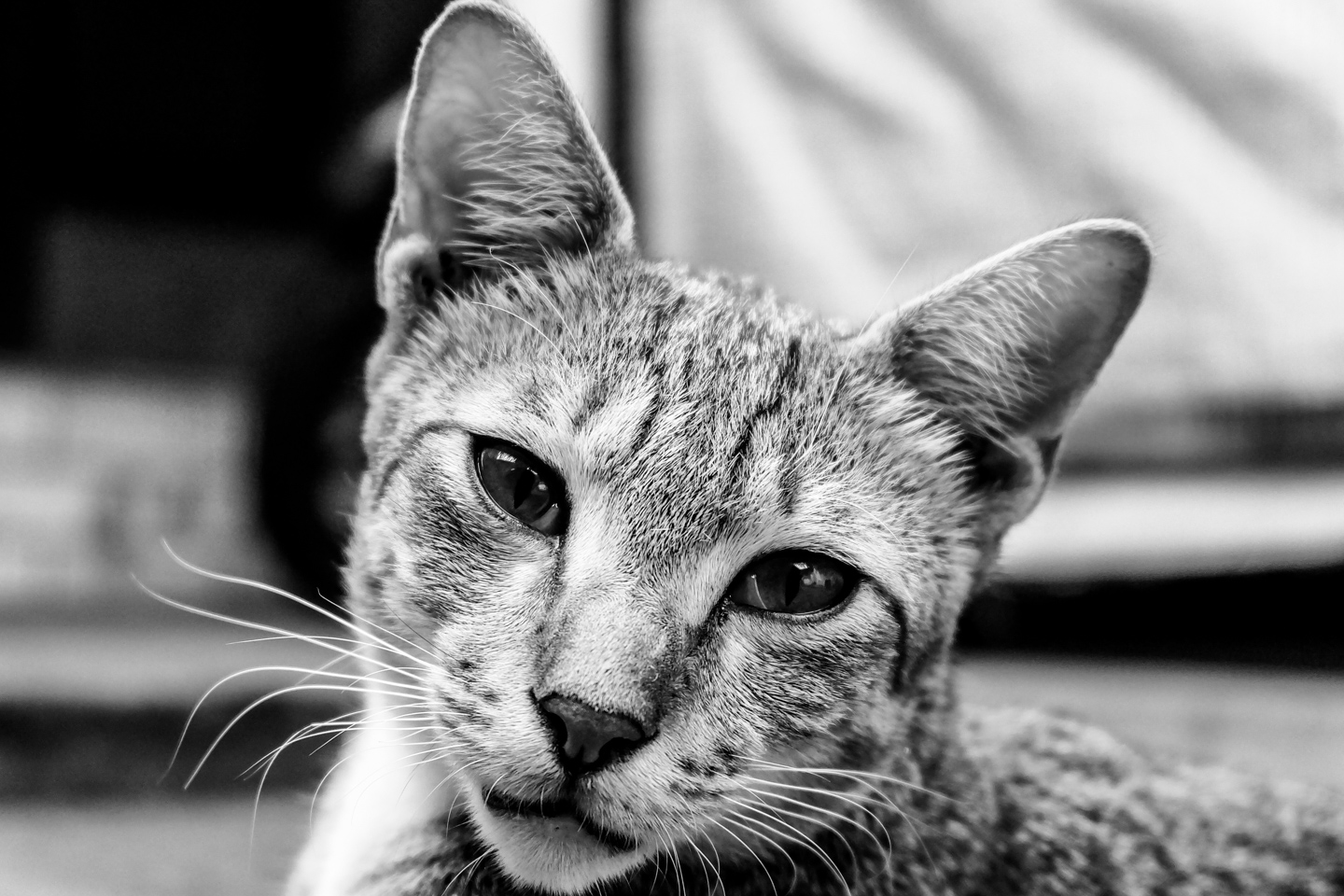
Exposure 1/160sec @ f/5.6 | ISO 2000 | Focal Length 50mm
Asyrof Muzoffar
Born on Lombok Island, Indonesia, Asyrof Muzoffar—known to many as Ayop—is currently based in Yogyakarta, where he balances his legal studies with a deep passion for photography. His work is defined by a philosophical approach, often seeking to capture the deeper meaning of life within his subjects. While his early photographic interests were rooted in nature, landscapes, and animal portraiture, he has recently expanded his creative focus to include the dynamic world of street photography.
Resonance Score Breakdown
Transparency Note: The resonance score (9.5/20) is calculated based on social engagement metrics collected before the award announcement.
Expert Photography Reviews · 3
The Quiet Observer
I spent this morning watching a stray cat navigate the narrow ledge outside my kitchen window. It moved with such deliberate, careful steps, pausing every few inches to tilt its head at something I couldn't see.
Read the reflection →A Pause in the Grass
There is a profound stillness that belongs only to an animal poised on the threshold of discovery. In Japanese, we speak of the interval before an action as an offering — a moment where the senses are so wide that the self dissolves entirely into the surrounding air.
Read the reflection →The Unblinking Gaze
A cat outside the window pane does not look at the world the way we do. It does not measure the square footage of the room or calculate the cost of the sill it occupies. Its eyes drink the breeze, tracking the imperceptible shiver of a single moth against the brickwork.
Read the reflection →The Architecture of Attention
In the tidal mudflats, the fiddler crab constructs a small, intricate turret of sand around its burrow, a temporary monument to the necessity of boundaries.
Read the reflection →Reviews & Comments
Share your thoughts about this award-winning photograph. Your reviews contribute to the community engagement score.

A Common Sandpiper at fifty millimeters suggests a proximity that makes me wince. In the vast, open mudflats of the Sundarbans, a bird doesn’t let a human get that close unless they’ve encroached on its personal space or used a blind that wasn’t mentioned. I’ve spent days in those mangroves; it’s a place that demands distance. Was this moment earned through quiet observation, or was the bird simply forced to tolerate an intruder? I’m unconvinced.
The mudflats here echo the stark, graphic minimalism of Bill Brandt’s coastal studies, yet the Sandpiper’s fragile posture introduces a vulnerability Brandt rarely permitted. It’s a quiet, precise observation. While the Fujifilm sensor struggles with the high-ISO grain, that texture actually lends a tactile, almost lithographic quality to the silt. I’m genuinely moved by how the bird’s singular, sharp focus cuts through the vast, indifferent expanse of the Sundarbans. It’s a rare, honest conversation with nature.
The sandpiper’s stride is caught just as the tarsus hits the mud, but the weight hasn’t fully shifted forward yet. It’s a fraction of a second too late; the bird is already settling rather than driving. I’ve spent years watching bodies mid-sprint, and I crave that explosive, unstable tension. This is technically clean, but it lacks the kinetic snap of a true peak moment. It’s a quiet study, though I’ll admit, the bird’s focus is haunting.