Pink Cherry Blossom by Leanne Lindsay
Captured within the ethereal landscape of the Auburn Botanic Gardens, this photograph highlights the delicate, fleeting beauty of cherry blossoms. Utilizing a macro lens, the photographer isolated a single bloom, revealing the intricate, vein-like structures and subtle watercolor-like shading of its petals. The composition emphasizes the contrast between the soft, dappled sunlight and the precise, quiet perfection of the flower. This image is award-worthy for its technical mastery in macro photography and its ability to transform a transient natural moment into a tranquil, timeless study of botanical elegance.
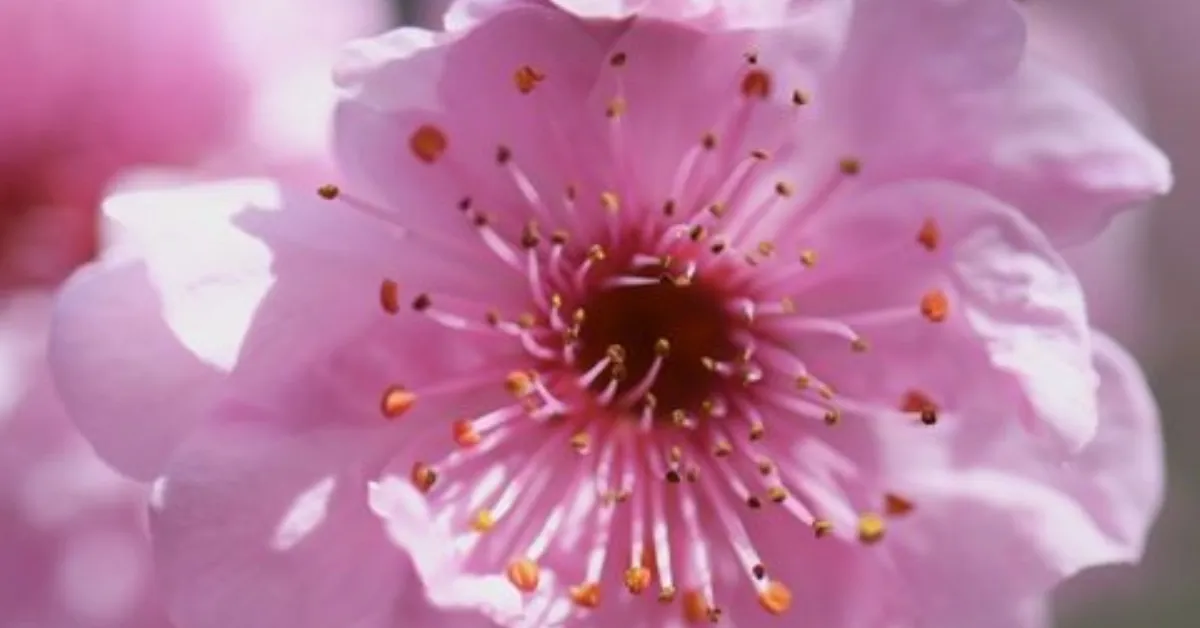
Exposure 1/640sec @ f/4 | ISO 100 | Focal Length 105mm
Leanne Lindsay
Born in Adelaide in 1962, Leanne Lindsay relocated to Sydney during her youth. After a long hiatus from the craft following the loss of her early equipment, she rediscovered her passion for photography in her late fifties. Now based in Sydney, she specializes in family and newborn portraiture while maintaining a dedicated artistic focus on architectural and landscape photography.
Resonance Score Breakdown
Transparency Note: The resonance score (7.7/20) is calculated based on social engagement metrics collected before the award announcement.
Expert Photography Reviews · 8
The Calendar of Petals
I remember sitting in a park in Kyoto, watching an elderly woman carefully sweep fallen petals into a small pile. She wasn't clearing them away; she was gathering them like loose change.
Read the reflection →The Weight of Petals
I keep a pressed flower inside the pages of a heavy, leather-bound dictionary, a remnant of a spring that ended decades ago. It has lost its original vibrancy, turning the color of old parchment, yet it remains remarkably intact.
Read the reflection →Reviews & Comments
Share your thoughts about this award-winning photograph. Your reviews contribute to the community engagement score.

Most macro shots of cherry blossoms are just pretty wallpaper. I’ve seen thousands, and they usually vanish from memory by lunch. What separates this from the pack is the way the light catches the translucent veins, turning a fragile petal into something architectural. It’s quiet, precise, and frankly, it makes me want to slow down and breathe. In thirty years, this won’t look dated because it doesn’t rely on trends; it just respects the bloom.
It’s a fragile, almost desperate attempt to capture permanence in a petal. Lindsay’s macro lens isolates the bloom, yet I’m troubled by the light. It’s too obedient, too eager to reveal every vein without the mercy of true obscurity. Where is the darkness that gives this life its weight? I feel a hollow ache looking at it; it’s beautiful, sure, but it doesn’t know how to hide. It’s afraid of the void.
At f/4, the 105mm focal plane is razor-thin, isolating the petal’s cellular architecture with clinical precision. You can see the light refracting through the translucent tissue, revealing veins that usually escape the naked eye. It’s a beautiful intersection of physics and biology. I’ve spent years analyzing macro optics, yet the way these soft highlights bleed into the bokeh makes my heart ache. It’s not just a flower; it’s a masterclass in controlled diffraction and light.
It’s refreshing to see such crisp clarity without the constant battle against the refractive index of water. Down here, those delicate pinks would’ve vanished into a muddy cyan long before the shutter clicked. I’m genuinely envious of how easily that dappled sunlight hits the petals; I’ve spent decades fighting backscatter and light absorption just to capture a fraction of this detail. It’s a tranquil, airy study that feels almost alien to someone accustomed to the deep.
Botanical studies have been exhausted since Blossfeldt’s rigid typologies, yet Lindsay finds a fresh, painterly softness here. The 105mm compression echoes the delicate precision of Imogen Cunningham’s magnolias, though the dappled light feels distinctly contemporary. It’s a quiet, luminous study that avoids the trap of mere documentation. I’ve spent decades looking at blossoms, but the way she’s captured those translucent, vein-like structures actually made me catch my breath. It’s a lovely, necessary addition to the canon.
It’s technically sharp, sure, but where’s the pulse? I’m looking for the street’s chaos, the friction of life. A cherry blossom doesn’t move, doesn’t hide, doesn’t run. It’s a static subject. Cartier-Bresson would’ve walked right past this. I need the tension of a human heartbeat, not a botanical study. It’s pretty, but it’s safe. I’m bored. Give me the grit of Sydney’s pavement, not a petal that’s just waiting for me to frame it.
Macro photography often strips away the context that gives architecture its soul, yet here, the bloom acts as a structural study. The petals’ delicate venation mimics the intricate fenestration of a vaulted ceiling, playing with light to define mass and void. It’s a quiet, rhythmic geometry. I’m struck by how the soft, dappled light renders the surface depth; it feels like standing in a sun-drenched atrium. It’s a rare, fleeting moment of pure, structural grace.
You’ve caught the light hitting those petals just right, and it’s quiet. I’ve spent years chasing chaos in war zones, so standing here, looking at this, I actually feel my shoulders drop. You didn’t just document a flower; you found a moment of stillness that most people walk right past. And that’s the point, isn’t it? You waited for the world to stop moving. There’s something honest happening here. It’s a beautiful, necessary breath.