Life in Matmâta by Didier Sibourg
Captured in the ancient troglodyte dwellings of Matmâta, Tunisia, this photograph offers a poignant glimpse into a subterranean lifestyle that remained hidden from the world until 1967. The photographer skillfully utilizes the harsh, natural light of the desert to illuminate the rugged textures of the underground architecture, emphasizing the resilience of those who inhabit these historic spaces. By framing the scene with a keen eye for cultural heritage, the image transcends mere documentation, inviting the viewer to contemplate the intersection of myth, history, and human endurance in one of the world's most unique and isolated environments.
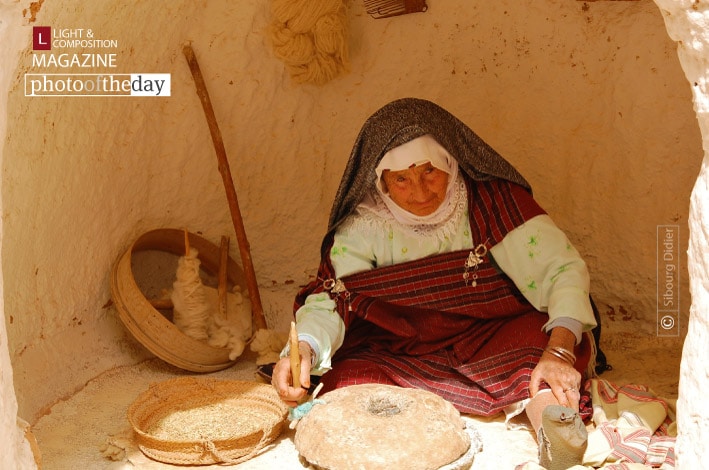
Didier Sibourg
Based in Chalon-sur-Saône, Burgundy, Didier Sibourg is a dedicated semi-professional photographer whose passion for the craft began during his childhood. His work is defined by a deep curiosity for the world, often focusing on the cultural and historical narratives found within unique landscapes. Through his lens, Sibourg captures the essence of his subjects with a refined technical approach, consistently seeking to document the human experience in both familiar and remote corners of the globe.
Resonance Score Breakdown
Transparency Note: The resonance score (13.5/20) is calculated based on social engagement metrics collected before the award announcement.
Expert Photography Reviews · 6
The Weight of Earth
We build our lives against the sky, reaching for height, for visibility, for a place to be seen. Yet there is a different kind of endurance found in the hollows. To live beneath the surface is to surrender the vanity of the horizon.
Read the reflection →The Cool Breath of Earth
There is a specific silence that lives only beneath the surface of the world. It is a heavy, velvet quiet that tastes of minerals and ancient, undisturbed dust.
Read the reflection →Reviews & Comments
Share your thoughts about this award-winning photograph. Your reviews contribute to the community engagement score.
The subterranean geometry here creates a brutal, necessary tension. The aperture isn’t just light; it’s a structural fulcrum dividing the frame’s weight. Sibourg’s 28mm focal length forces a claustrophobic intimacy, pinning the subject against the raw, earthen walls. It’s a rigid, unforgiving architecture. I’ve rarely seen such a stark refusal of sentimentality in a candid frame. The composition holds because it doesn’t apologize for the darkness. It’s cold, precise, and entirely earned.
The light here doesn’t just fall; it descends, heavy and ancient, into the earth. Sibourg waited for that precise moment when the desert sun pierces the troglodyte gloom, turning dust into gold. I’ve stood in such silence before, and it’s humbling. He didn’t rush the shadows. He let the stone breathe. It’s a quiet, aching reminder that we’re merely guests in these deep, subterranean lives. I feel a profound, dusty peace just looking at it.
Most entries from Matmâta rely on the novelty of the troglodyte architecture, but Sibourg avoids that trap. By pinning the exposure to the harsh, vertical light falling against the cave wall, he forces us to confront the texture of the stone rather than the exoticism of the dwelling. It’s a brutal, honest frame. I’ve seen thousands of travel shots, but this one makes me feel the actual weight of the earth. It’s going to endure.
The light in Matmâta is a cruel master, yet here it’s been tamed with a steady hand. One suspects Sibourg didn’t just stumble upon this subterranean geometry; he likely sat in that dust until the shadows aligned. I’ve spent enough afternoons shivering in desert heat to recognize the patience required to balance those harsh, cavernous tones. It’s a rare, quiet victory. He didn’t just take a picture; he earned the silence of those walls. Well played.
The ochre of these subterranean walls, reminiscent of a sun-bleached Morandi still life, vibrates against the cool, bruised violet of the shadows, creating a chromatic tension that’s frankly intoxicating. One finds oneself breathless, watching how the light—that sharp, desert-tempered clarity—coaxes a dusty gold from the limestone, turning simple survival into a painterly symphony of earth tones. It’s a gorgeous, tactile ache of a palette, and honestly, I’d give anything to touch that ancient, sun-drenched stone.
The desert sun doesn’t invite here; it interrogates. Sibourg’s frame forces the light into a brutal negotiation with the troglodyte abyss. I’m unsettled by how the darkness swallows the edges of these dwellings, turning stone into a silent, suffocating weight. It’s not just architecture; it’s a refusal of the surface world. When I look at those deep, hungry shadows, I feel the crushing solitude of the earth itself. It’s a heavy, necessary truth.
Splendor of great beauty