Leaning Flowers by Mehmet Masum
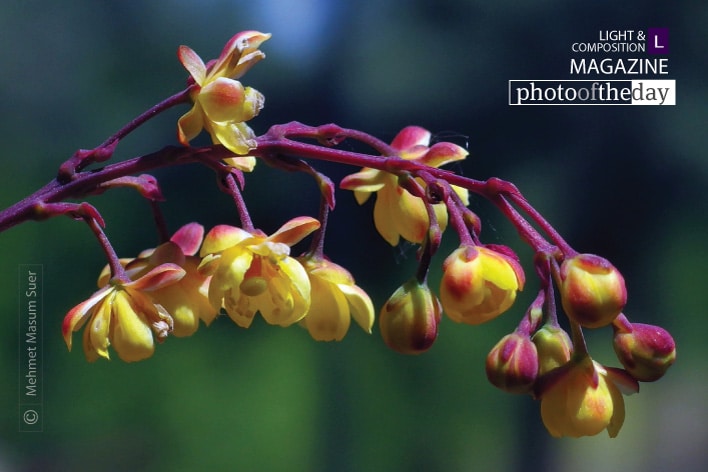
Captured in the parks of Diyarbakir, Turkey, this image highlights the delicate beauty of flowers leaning gracefully toward the earth. The photographer was drawn to the striking natural contrast between the vibrant purple and yellow petals, choosing to frame them in a way that emphasizes their organic elegance. By utilizing a precise focal length and a high shutter speed, the image isolates the subject against a soft background, allowing the vivid color palette to take center stage. This photograph is award-worthy for its masterful use of color theory and its ability to transform a simple botanical observation into a compelling, serene study of nature.
Mehmet Masum
Based in Diyarbakir, Turkey, Mehmet Masum Suer is a distinguished international photographer and former journalist with a career spanning several decades. Since transitioning to professional photography in 2005, he has dedicated his lens to documenting the rich historical architecture and cultural heritage of cities like Mardin, Van, and Hasankeyf. His work, which includes extensive documentary projects on cultural festivals and prominent figures, has been showcased in exhibitions across Turkey, Iraq, and the United States, and is frequently featured in international tourism publications and media.
Resonance Score Breakdown
Transparency Note: The resonance score (13.2/20) is calculated based on social engagement metrics collected before the award announcement.
Expert Photography Reviews · 4
The Gravity of Grace
There is a quiet, persistent physics to the way things surrender. We are taught to admire the upward reach of a sapling or the defiant posture of a mountain, as if growth were synonymous with resistance.
Read the reflection →The Humility of the Stem
There is a quiet wisdom in the way things bow. We are taught to reach for the sun, to stretch our necks toward the light as if height were the only measure of success.
Read the reflection →Reviews & Comments
Share your thoughts about this award-winning photograph. Your reviews contribute to the community engagement score.
I like the separation between subject flower and the dark green background. The subject in purple and yellow is a nice color combination. The subject is also interesting in how the flowers goes from just maturing to almost full bloom.
1/2000sec at f/4.5, 112mm. A high shutter speed for a static subject, but it’s a smart hedge against wind-induced blur in a park. The f/4.5 aperture is a compromise; it’s thin enough to isolate the petals but leaves the background texture distracting. I’ve seen sharper bokeh, yet the technical discipline here is undeniable. It’s a cold, calculated capture. Honestly, the precision of the focus on those yellow stamens is the only thing I actually respect here.
It’s a pleasant enough study of petals, though one wonders if the photographer simply happened upon them during a casual stroll. The shutter speed suggests a quick snap rather than a long, shivering vigil in the dirt. I’ve spent enough hours waiting for the wind to die down to know when a shot has been earned. It’s pretty, certainly, but I’m left wanting the grit of a photographer who’s actually bled for the frame.
The light here isn’t forced; it’s a quiet conversation between the sun and the soil of Diyarbakir. Mehmet waited for that precise moment when the petals bowed, surrendering to gravity. I’ve spent enough dawns in the field to recognize the stillness he felt. It’s humble, really. Looking at these purple and yellow blooms, I feel a sudden, sharp ache for the simplicity of the earth. He didn’t just take a picture; he listened to the flowers.
Before the eye identifies the petals, something in the chest softens. The vibrant purple and yellow don’t just sit there; they pull at a dormant memory of a humid afternoon. It’s a quiet, rhythmic activation. When I return to this a year later, the weight of the flowers leaning toward the earth feels like a shared secret. I’ve felt that same exhaustion, that graceful surrender. It’s a gentle, persistent ache that follows me into sleep.