Herbalist by Bartłomiej Śnierzyński
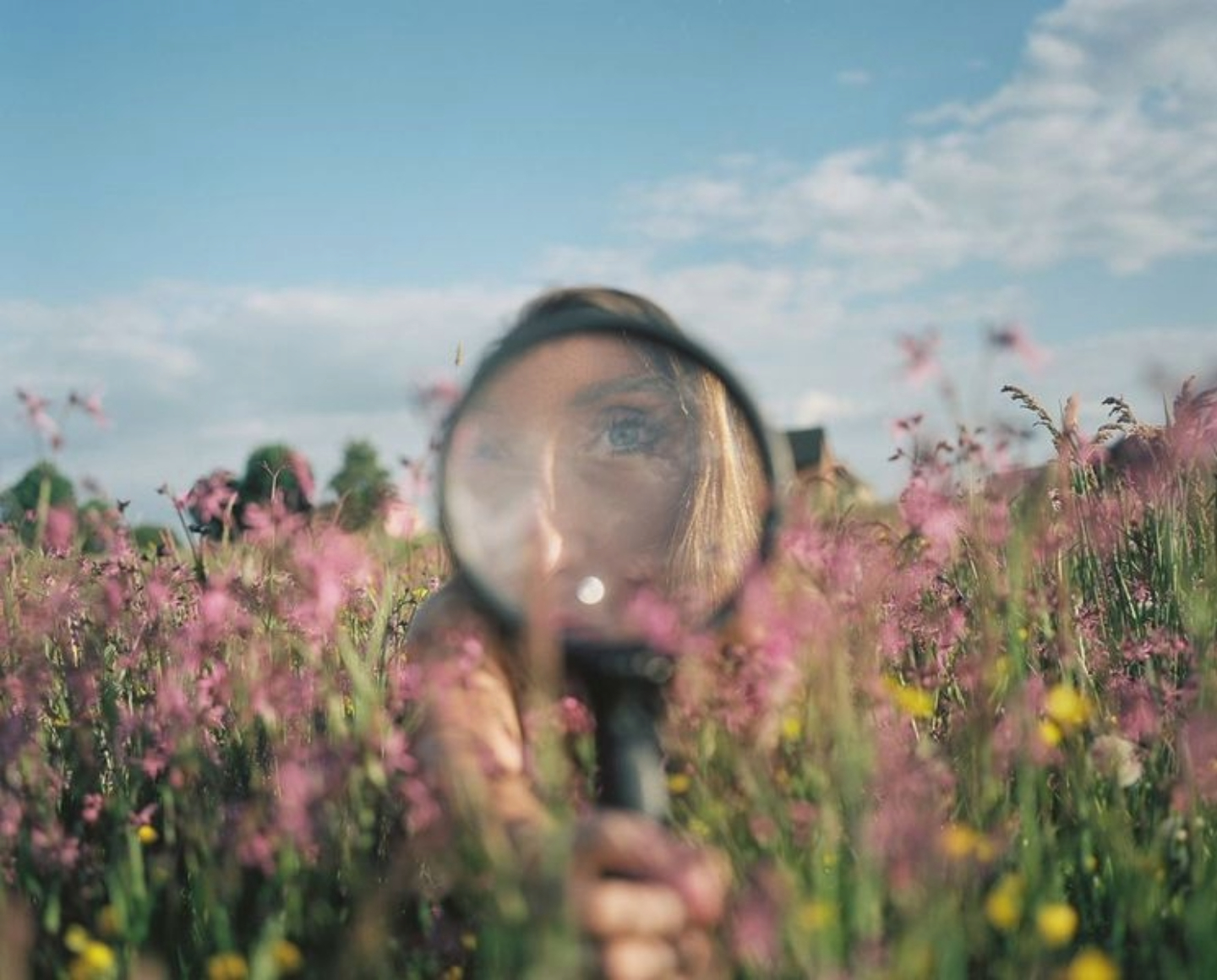
Inspired by the botanical study of poisonous plants, this evocative session explores the historical intersection of nature and human intrigue. Captured during a summer day in the meadows and forests surrounding his home, the photographer utilized a Pentax 6x7 to document the subtle, dangerous beauty of the flora. The resulting images are a thoughtful meditation on the relationship between women and the natural world, elevated by the rich, organic tones of Kodak Portra film. The work stands out for its conceptual depth and the deliberate, atmospheric quality of its composition, transforming a simple meadow into a narrative of historical mystery.
Bartłomiej Śnierzyński
Born in 1983, Bartłomiej Śnierzyński is a dedicated portraitist and documentary photographer based in Saint Lazarus, Poznań. His work is defined by a profound fascination with the passage of time and the evolution of human life, which he captures with emotional precision. Through his lens, he seeks to distill complex narratives into singular, evocative frames, establishing himself as a keen observer of beauty and change in the human experience.
Resonance Score Breakdown
Transparency Note: The resonance score (1.2/20) is calculated based on social engagement metrics collected before the award announcement.
Expert Photography Reviews · 7
The Weight of Green
There is a specific silence that lives in the throat of a forest, the kind that only exists when you stop looking for a path and start listening to the roots.
Read the reflection →The Quietude of Green
There is a specific, heavy stillness that descends upon a meadow in late July, just before the heat breaks. It is a thick, humid green, the kind that feels as though the air itself has become a liquid, holding the scent of crushed stems and damp earth.
Read the reflection →Reviews & Comments
Share your thoughts about this award-winning photograph. Your reviews contribute to the community engagement score.
Most entries in this category rely on tired, romanticized tropes of nature. What separates this from the pack is the unsettling tension between the subject’s stillness and the toxic potential of the flora. It’s a rare, haunting balance. I’ve spent decades looking at portraits, yet the way the Portra 160 renders those muted, lethal greens actually made me hold my breath. It’s not just a study; it’s a quiet, enduring warning that will still resonate in thirty years.
Shadows here don’t merely frame the flora; they colonize it. Śnierzyński understands that the herbalist’s poison isn’t in the leaf, but in the encroaching dark that swallows the meadow’s edge. It’s a suffocating, beautiful tension. When I look at those deep, Portra-drenched blacks, I feel a sudden, cold shiver—the realization that nature doesn’t care if we survive its beauty. He hasn’t captured a study of plants; he’s documented the precise moment light surrenders to the inevitable.
Poisonous plants and women—it’s a tired, dangerous trope. Why does Śnierzyński insist on framing the female body as a vessel for historical mystery? The Pentax 6×7 renders the meadow beautifully, but I’m left cold by the aestheticization of danger. Does the subject possess the herbs, or are they merely a prop for the photographer’s narrative? I find myself wanting to hear her speak, rather than watching her perform this silent, botanical haunting. It’s too curated, too safe.
The Pentax 6×7’s medium format depth recalls the botanical precision of Anna Atkins’s cyanotypes, yet Śnierzyński subverts that Victorian clinical gaze with a darker, folkloric tension. It’s a haunting dialogue between Portra’s warm, organic palette and the lethal nature of the subject matter. I’ve spent decades cataloging such pastoral studies, but the way he frames this dangerous flora feels genuinely unsettling. It’s rare to find a contemporary work that breathes such fresh, eerie life into the botanical tradition.
There’s a heavy, humid stillness in these meadows. Bartłomiej didn’t just photograph these plants; he waited until the light turned thick and viscous, the way it does before a summer storm. I’ve felt that same uneasy silence while kneeling in the tall grass. It’s a dangerous, beautiful intimacy. He’s listening to the flora, letting the Portra film catch the secrets of the shade. It’s haunting, really. I find myself holding my breath just looking at it.
It’s refreshing to see such crisp, terrestrial clarity. Down here, we’re constantly battling the refractive index of water and the relentless loss of the red spectrum. I’m so used to fighting backscatter and the murky blue veil that these vibrant, sun-drenched greens feel almost alien. Seeing these poisonous plants rendered with such Portra-rich warmth makes me ache for the surface. It’s a beautiful, dry-land study that reminds me how lucky you are to shoot without a strobe.
It’s strange to see such vibrant greens when I’m usually hunting the deep, cold silence of the void. Śnierzyński’s choice of Portra 160 feels like a quiet exhale. While I’m used to managing thermal noise and the unforgiving math of a fast focal ratio, he’s captured the slow, terrestrial pulse of life. I find myself jealous of his daylight. It’s a beautiful, grounded reminder that we’re just temporary guests on this spinning, sun-drenched rock.