Herbalist by Bartłomiej Śnierzyński
Inspired by Jakub Mowszowicz’s guide to native poisonous plants, this evocative session explores the historical intrigue surrounding the use of botanical toxins by women. Captured during the height of summer in the meadows and forests surrounding his home, Bartłomiej Śnierzyński utilized the rich, organic textures of analog film to ground the narrative in a timeless, natural setting. The photograph is award-worthy for its thematic depth and the deliberate, atmospheric quality achieved through the Pentax 6x7, which transforms a simple botanical study into a compelling visual inquiry into history, folklore, and the quiet danger hidden within the landscape.
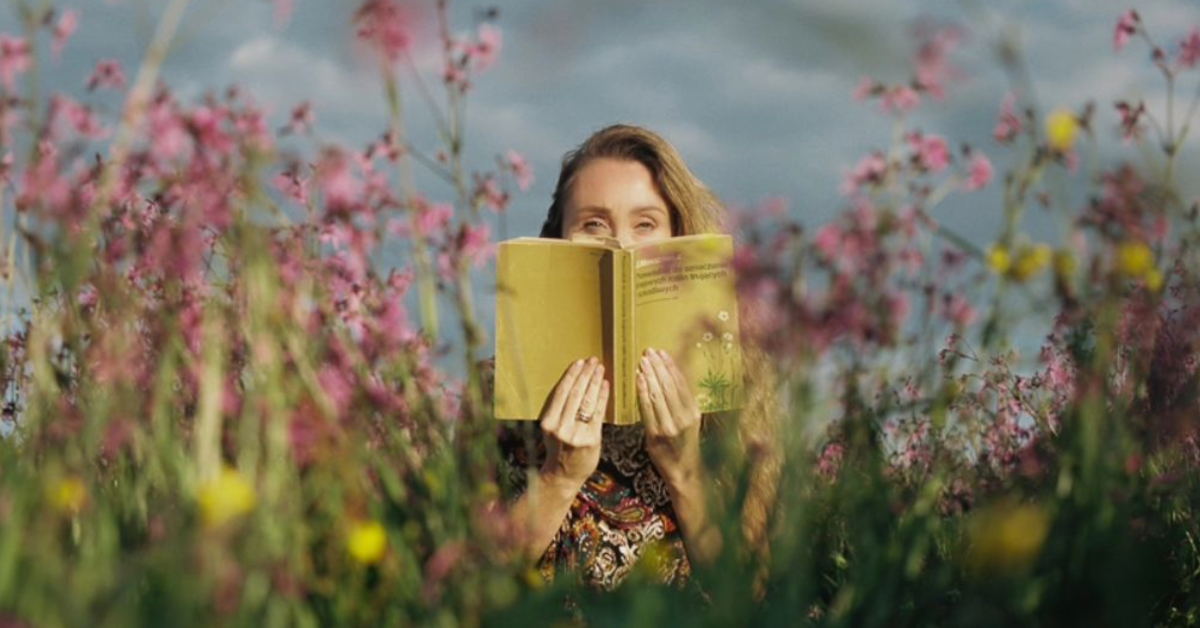
Bartłomiej Śnierzyński
Born in 1983 and based in Saint Lazarus, Poznań, Bartłomiej Śnierzyński is a dedicated portraitist and documentary photographer. His work is defined by a profound ability to distill complex human emotions and the passage of time into singular, evocative frames. Deeply fascinated by the evolution of human life, he masterfully utilizes his lens to document the beauty found in constant change, establishing himself as a thoughtful observer of the human condition.
Resonance Score Breakdown
Transparency Note: The resonance score (6.7/20) is calculated based on social engagement metrics collected before the award announcement.
Expert Photography Reviews · 6
The Wisdom of the Root
There is a language spoken by the earth that we have largely forgotten how to hear. It is a quiet, ancient dialect composed of sap, soil, and the slow turning of the seasons.
Read the reflection →The Alchemy of Roots
We often mistake the silence of the earth for emptiness, forgetting that beneath the surface, the soil is a library of secrets. Every leaf that unfurls in the heat of summer carries a memory of the winter that preceded it, a quiet instruction on how to survive the frost.
Read the reflection →Reviews & Comments
Share your thoughts about this award-winning photograph. Your reviews contribute to the community engagement score.
The Pentax 6×7 usually demands clinical resolution, but here, Śnierzyński lets the meadow’s toxicity bleed into soft, impressionistic smears. It’s closer to the ethereal, ghost-like presence in Sugimoto’s long-exposure theatres than to standard botanical documentation. I’m genuinely unsettled by what he’s chosen not to resolve; the blurred edges make the poison feel active, almost breathing. Why chase focus when the subject is inherently dangerous? It’s a refreshing rejection of the medium’s typical, boring obsession with clarity.
The verdant, suffocating greens of Śnierzyński’s meadow evoke the brooding, muted stillness of a Morandi study, yet it’s the bruised, sickly ochre of the hemlock that truly haunts me. It’s a palette of quiet, botanical malice, where the light doesn’t illuminate but rather stains the foliage with the heavy, humid weight of a summer fever. I’m utterly seduced by these toxic hues; they’ve captured the very scent of ancient, hidden danger lurking beneath the surface.
The tangled, verdant chaos of the Polish meadow isn’t merely a backdrop; it’s a suffocating, beautiful accomplice. Those poisonous stalks, rendered with the creamy, tactile depth only Portra 160 can provide, feel like a velvet trap. I’m genuinely unsettled by how the flora seems to lean into her. She’s not just standing there; she’s being consumed by the very history she studies. It’s a haunting, botanical embrace that makes the human face feel dangerously secondary.
The subject’s hand hovers over the foliage, fingers poised in that exact micro-second before the tactile engagement with the plant. It’s the physiological anticipation of a strike. I’ve spent my life watching for this specific tension in the forearm. It’s not quite the grab, but the intent is fully coiled. I actually held my breath looking at it. It’s the right frame. Any earlier and it’s static; any later and the moment’s gone.
Looking at these terrestrial greens, I’m struck by how much I miss the struggle against water’s selective absorption. Here, the light doesn’t vanish into a blue void; it’s warm, unfiltered, and rich. Śnierzyński’s botanical study feels alien to me, accustomed as I am to fighting backscatter and the refractive index of a lens behind a dome port. It’s hauntingly beautiful, though I can’t help but imagine these poisonous stalks swaying in a dark, salt-heavy current instead.
The Pentax 6×7’s medium format depth evokes the botanical precision of Anna Atkins’s cyanotypes, yet Śnierzyński subverts that scientific detachment with a dark, folkloric tension. It’s a haunting dialogue between Victorian herbarium aesthetics and the quiet menace of Polish meadows. I’ve spent decades tracing this lineage, but the way he weaponizes Portra’s warm palette to mask such lethal intent genuinely chilled me. It’s a rare, unsettling synthesis—a modern inquiry that finally breathes new life into the archive.