Heaven’s Bed by Tathagata Das
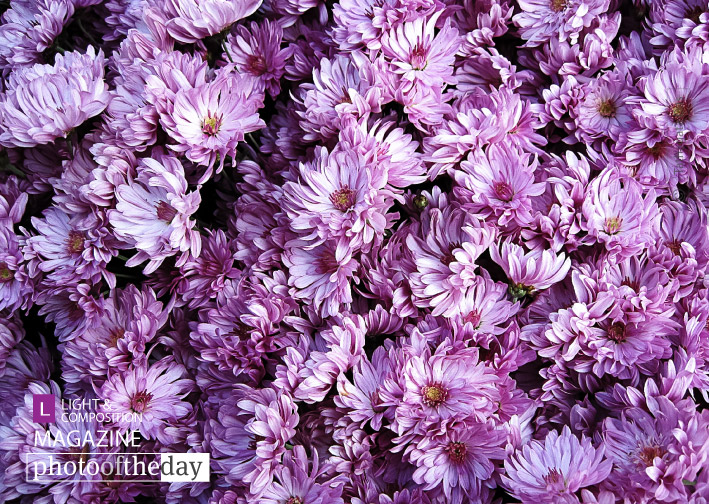
Captured within the vibrant Horticulture Garden of Kolkata during the annual January flower show, this image highlights the delicate beauty of the Ginia flower. The photographer utilized the natural daylight to accentuate the intricate textures and soft petals of the bloom, employing a precise technical approach to isolate the subject against its surroundings. This photograph is award-worthy for its ability to transform a common local flower into a striking visual study, demonstrating a keen eye for color and detail that elevates a simple garden scene into an evocative piece of botanical art.
Tathagata Das
Based in Kolkata, India, Tathagata Das is a dedicated photojournalist currently contributing to a national news agency. His lifelong passion for the craft began at the age of twelve, eventually evolving into a serious pursuit of international photography competitions over the last three years. Through his work, Das consistently demonstrates a commitment to capturing the essence of his subjects, blending his professional news experience with a deep-seated artistic curiosity.
Resonance Score Breakdown
Transparency Note: The resonance score (13.2/20) is calculated based on social engagement metrics collected before the award announcement.
Expert Photography Reviews · 4
The Architecture of Softness
In the quiet corners of a garden, there is a language spoken without sound. We often think of growth as a violent, upward struggle—a frantic reaching toward the sun—but there is a different, more patient geometry at work in the unfolding of a petal.
Read the reflection →The Architecture of Softness
We often mistake strength for the rigid, for the things that refuse to bend when the wind grows restless. Yet, look at how the earth prepares for its own renewal. It does not shout; it unfolds.
Read the reflection →Reviews & Comments
Share your thoughts about this award-winning photograph. Your reviews contribute to the community engagement score.
It’s a fragile bloom, yet I’m troubled by how it avoids the dark. Das captures the Ginia’s geometry, but he’s terrified of the void behind it. Where is the weight? Where is the silence that should anchor such color? It’s technically precise, sure, but it lacks the necessary gravity of a soul in retreat. I’ve stared at these petals until my eyes ache, waiting for a shadow to deepen, but it remains stubbornly, hauntingly shallow.
The Ginia flower doesn’t just bloom here; it breathes. I’ve spent enough mornings in gardens to know that specific, soft light—the kind that finds the velvet in a petal before the rest of the world wakes up. He stood in the cooling hour, waiting for the shadows to soften just so. It’s quiet, isn’t it? Looking at this, I feel a sudden, sharp ache for the stillness of a Kolkata morning before the heat rises.
A Canon PowerShot A1100 IS isn’t the weapon of choice for most, yet here we are. One suspects the photographer spent hours in that Kolkata garden, ignoring the January crowds to find this singular bloom. It’s a quiet, disciplined study. I’ve spent enough damp mornings waiting for a petal to stop shivering to recognize the patience required here. It’s not a lucky snap; it’s a deliberate, earned extraction of beauty from the chaos. Well played.
The Ginia’s petals bleed a saturated, bruised magenta that reminds one of the velvet shadows in a late Vermeer, yet it’s the way the light catches those edges—a pale, buttery yellow like dawn on the Hooghly—that truly undoes me. It’s a fragile, humming harmony, vibrating against the garden’s verdant blur. I’ve rarely seen such a common bloom possess this much emotional weight; it’s a quiet, chromatic ache that simply won’t let go.