Guana Bay Shore by Kristel Sturrus
Captured along the rugged coastline between Guana Bay and Point Blanche, this image highlights the dramatic interplay between stormy weather and the Caribbean landscape. When Miami experiences storms, the resulting winds whip the shores of St. Maarten into a display of powerful, crashing waves. The photographer captures the raw beauty of this dangerous, rocky terrain, where jagged formations prevent surfing but offer a serene natural pool for hikers. The composition balances the intensity of the coastal elements with the tranquil allure of the island's hidden waters, showcasing a keen eye for the untamed beauty of the Caribbean.
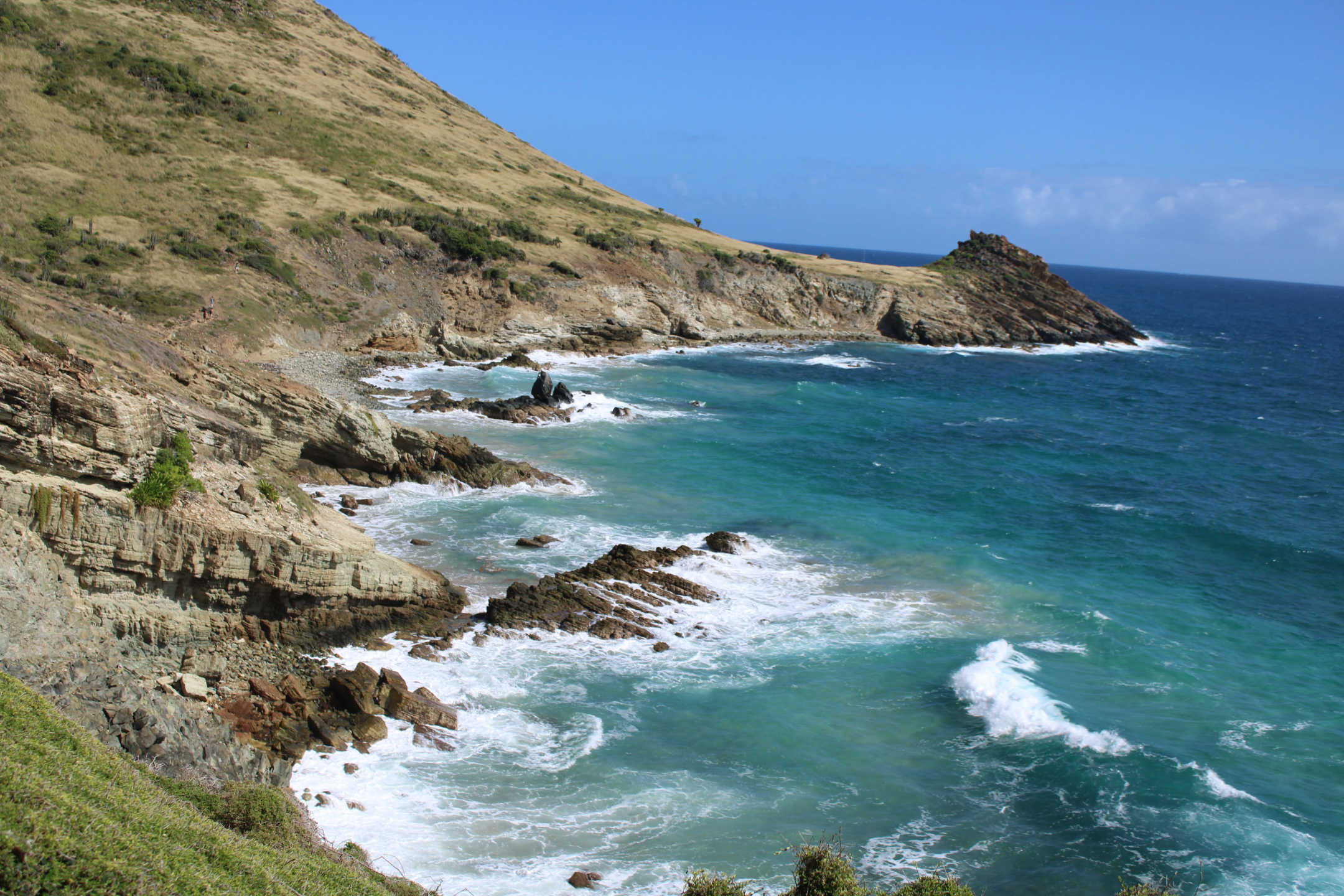
Exposure 1/1250sec @ f/5 | ISO 100 | Focal Length 25mm
Kristel Sturrus
Kristel Sturrus is an emerging photographer whose passion for the craft blossomed during her time living in Malawi. After relocating to St. Maarten, she invested in new equipment to better document the striking landscapes and natural beauty of her surroundings. Currently based in Philipsburg, she is dedicated to refining her technical skills and artistic vision, with the ultimate goal of transitioning her deep-seated hobby into a professional career in photography.
Resonance Score Breakdown
Transparency Note: The resonance score (7.0/20) is calculated based on social engagement metrics collected before the award announcement.
Expert Photography Reviews · 5
The Resilience of the Edge
When the tide retreats from a rocky shoreline, it leaves behind tide pools—small, isolated basins that must endure the full force of the sun and the sudden, violent influx of the next surge.
Read the reflection →The Edge of the World
I often find myself standing at the edge of the map, where the pavement finally gives way to the unruly, unpaved language of the earth. In the city, we build walls to keep the chaos out, to define where we end and the rest of the world begins.
Read the reflection →Reviews & Comments
Share your thoughts about this award-winning photograph. Your reviews contribute to the community engagement score.
The wave has crested, but the spray hasn’t yet shattered against the rock. It’s a fraction of a second too early. I’ve spent my life watching for the exact millisecond of impact, and here, the water is still holding its breath. It’s frustratingly close to the peak, yet it lacks the violent release I’m looking for. I wanted that explosive collision, but the shutter fired just before the chaos truly began. It’s almost perfect.
The slate-grey churn of the Atlantic here isn’t merely water; it’s the bruised, melancholic indigo of a Morandi still life, bleeding into the frothy, chalky white of crushed limestone. It’s breathtaking, really, how the light clings to those jagged, obsidian rocks like a Vermeer highlight. One finds oneself shivering, caught in that cold, salt-stung palette that defies the tropical heat, turning the Caribbean into a haunting, monochromatic meditation on the sheer, indifferent violence of the tide.
The jagged rock formations here act as a natural datum, defining the threshold between the chaotic, kinetic energy of the Atlantic and the stillness of the pool. It’s a study in solid and void that architects usually ignore. I’m struck by how the light rakes across the stone, emphasizing its brutal mass against the water’s fluidity. It’s a rare, honest look at how landscape dictates the limits of our own built interventions. I’d love to stand there.
1/1250sec at f/5, 25mm, ISO 100. It’s a safe, middle-ground exposure. The shutter speed freezes the spray, but f/5 at 25mm leaves the foreground rocks soft. You’ve traded depth for a marginal gain in light. It’s technically lazy. I’d have preferred f/11 to sharpen those jagged formations. I’m tired of seeing potential lost to wide-open apertures. You’ve captured the motion, but you haven’t respected the texture of the stone. It’s a missed opportunity for precision.
One suspects the shutter clicked while the salt spray was still stinging the eyes. It’s a raw, jagged bit of coastline, and I’ve spent enough mornings shivering on similar rocks to know that wind doesn’t just offer itself up for a quick snap. Did she return until the light felt heavy enough to match the surf? It’s a decent effort, though I’d have liked to see her wait for the tide to truly commit.