Black and White Architecture by Fidan Nazim Qizi
This striking architectural study captures the essence of structural design through a monochromatic lens, transforming buildings into timeless cultural symbols. By stripping away the distraction of color, the photographer emphasizes the interplay of light, shadow, and geometry inherent in the built environment. The composition highlights the artistic nature of construction, inviting viewers to appreciate the rhythm and form of the architecture. This image is award-worthy for its masterful use of high-contrast tones and precise framing, which elevates a standard urban structure into a compelling work of art that resonates with the historical significance of architectural achievement.
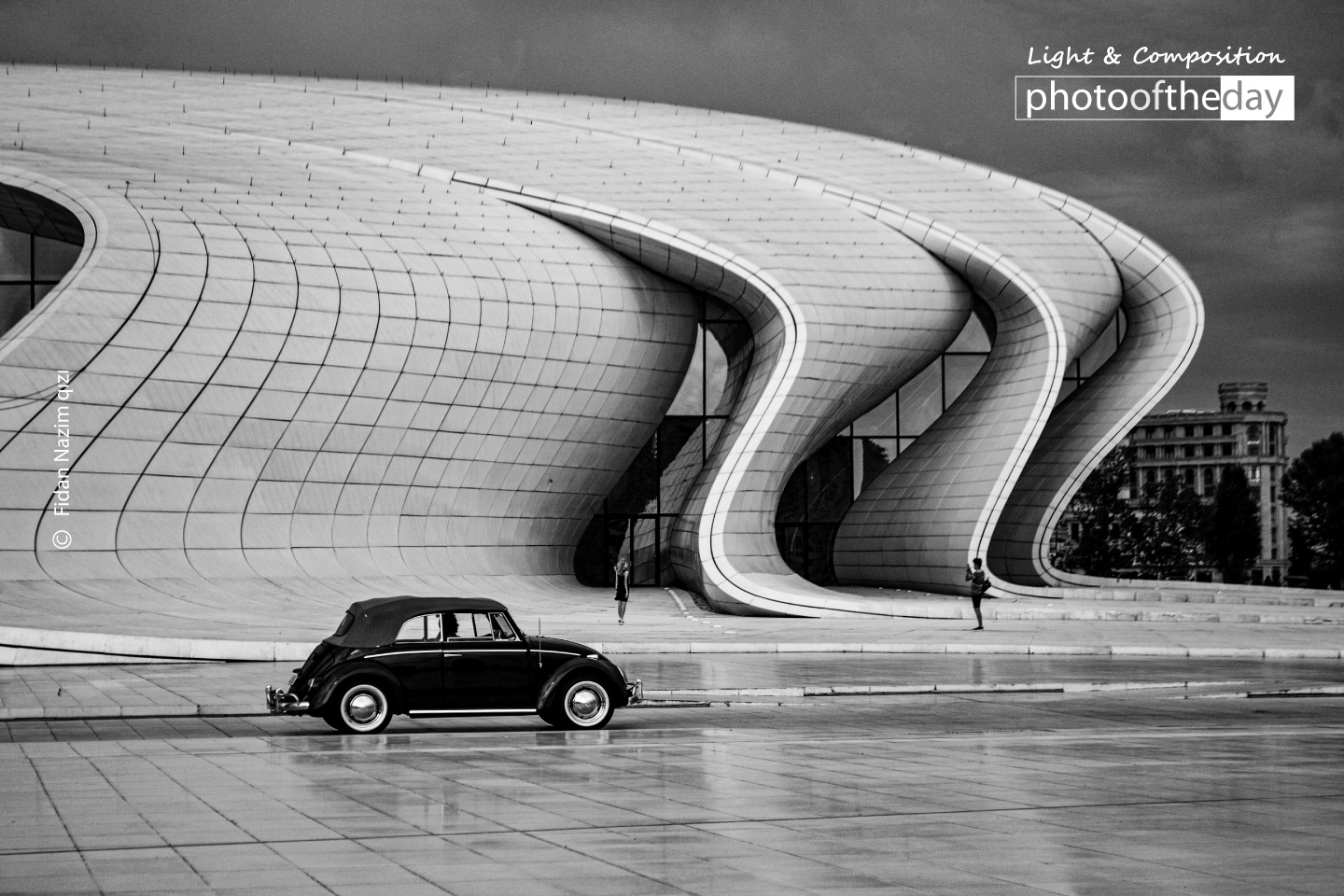
Fidan Nazim Qizi
Born in Baku, Azerbaijan, Fidan Nazim Qizi continues to reside in her home city while frequently traveling abroad to explore new landscapes. Deeply inspired by the evocative black and white work of Vivian Maier, she specializes in monochromatic photography that captures the energy and emotional depth of her subjects. Her practice is driven by a passion for nature, hiking, and the belief that photography serves as a vital source of inspiration and human connection.
Resonance Score Breakdown
Transparency Note: The resonance score (9.0/20) is calculated based on social engagement metrics collected before the award announcement.
Expert Photography Reviews · 4
The Cold Hum of Stone
The taste of limestone is dry, a chalky grit that coats the tongue when the wind kicks up against a wall that has stood for centuries. I remember pressing my palm against a sun-baked pillar in a city of ghosts, feeling the vibration of the earth beneath the masonry.
Read the reflection →The Silent Language of Stone
I often find myself tracing the lines of buildings as if they were lines of poetry written in stone. There is a specific hour in the late afternoon when the sun hits the facade of an old apartment block, turning the concrete into a map of history.
Read the reflection →Reviews & Comments
Share your thoughts about this award-winning photograph. Your reviews contribute to the community engagement score.
It’s technically competent, sure, but I find this architectural study dreadfully safe. By obsessing over high-contrast geometry, the photographer has ignored the potential for structural decay or atmospheric distortion. Why resolve every edge so aggressively? I’d have preferred a long-exposure blur to dissolve these rigid lines, pushing the work toward Hiroshi Sugimoto’s ethereal theatre studies. It’s a missed opportunity to turn Baku’s steel into something fluid. I’m left craving a little less clarity and more mystery.
The geometry here is sharp enough to draw blood, which is exactly how it should be. One suspects Fidan spent a fair few mornings shivering in Baku, waiting for the shadows to align with such clinical precision. It’s a rare pleasure to see an urban study that hasn’t been rushed. I’ve spent enough time in the cold to recognize the patience required for this level of tonal control. It’s a quiet, earned victory.
Baku’s sharp geometry feels like a terrestrial constellation. I’ve spent my life chasing photons that traveled eons, yet here, the light is merely milliseconds old, bouncing off steel and glass. It’s a strange, grounding shift. The high-contrast monochrome hides the sensor’s noise floor, leaving only the rhythm of the city. I find myself holding my breath, staring at these lines. It’s a quiet, cold beauty that makes our human pulse feel perfectly, wonderfully temporary.
Baku’s sharp lines are undeniably elegant, but I find myself searching for a pulse in these cold, concrete geometries. Where are the people who live behind these windows? Architecture is just a shell without the life that fills it. I’ve spent my career chasing the warmth of a human gaze, and here, I feel a profound, lonely silence. It’s technically precise, sure, but it doesn’t tell me a single thing about what it’s like to breathe there.