A Father’s Love by Elena Zakharova
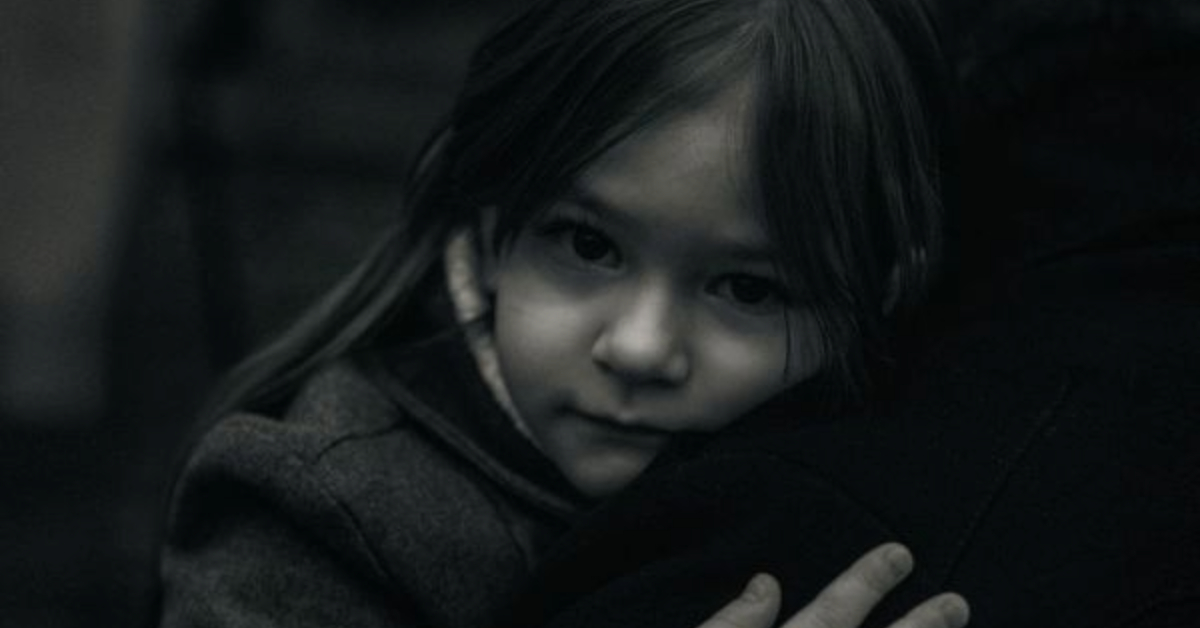
Captured with a focus on the profound, quiet bond between father and child, this image serves as a poignant tribute to paternal devotion. Elena Zakharova masterfully highlights the silent, often understated nature of a father’s love, contrasting the subject's perceived stoicism with the priceless warmth they provide. By utilizing a wide aperture of f/2, the photographer isolates the emotional connection, drawing the viewer into an intimate moment of shared presence. The photograph is award-worthy for its ability to elevate a universal, everyday sentiment into a timeless visual narrative that resonates with the viewer's own experiences of family and affection.
Elena Zakharova
Based in Rostov-on-Don, Russia, Elena Zakharova has established herself as a distinguished photographer specializing in family, children, and personal branding portraiture. Her work is defined by an intuitive ability to foster genuine connections with her subjects, creating a comfortable environment that allows authentic emotions to surface. Through her tailored approach, Zakharova transforms standard photoshoots into cinematic experiences, ensuring that every client feels celebrated and empowered throughout the creative process.
Resonance Score Breakdown
Transparency Note: The resonance score (6.7/20) is calculated based on social engagement metrics collected before the award announcement.
Expert Photography Reviews · 7
The Unspoken Anchor
I have always been suspicious of the way we sentimentalize the domestic. We are taught to look for grand gestures, for the loud declarations of affection that fill cinema screens and greeting cards.
Read the reflection →The Weight of a Hand
I remember a rainy Tuesday near the Gare du Nord, watching a man adjust his coat collar while holding the small, damp hand of a child. There was no conversation, only the rhythmic click of heels against wet pavement and the shared gravity of their pace.
Read the reflection →Reviews & Comments
Share your thoughts about this award-winning photograph. Your reviews contribute to the community engagement score.
You waited for that stillness, and it pays off. Most people rush these moments, but you let the frame breathe. I’m looking at the way his hands hold the child; there’s no performance here, just the heavy, quiet weight of responsibility. It’s rare to see a father’s vulnerability captured without it feeling staged. My own father had those same tired, steady hands. You felt something true, and because of that, I feel it too.
There’s a quiet, heavy truth in the way this father holds his child. You can tell he isn’t performing for the lens; he’s entirely lost in the weight of that small body against his chest. It’s a gift, not a capture. Looking at the way his hands cradle that neck, I’m reminded of my own father’s grip. This face has a whole life in it, and it’s beautiful to see such unforced, honest devotion.
We look at this face and we understand something ancient. Elena didn’t just point a lens; she sat in the silence until the father’s guard fell away. That soft, f/2 blur keeps the world at bay, leaving only the weight of his hands and the child’s trust. It’s a quiet, heavy grace. I’ve felt that same ache in my own chest, watching a man learn to hold his whole world in his arms. It’s beautiful.
The 50mm focal length compresses the depth, forcing a claustrophobic intimacy that doesn’t quite resolve. The subject’s shoulder creates a rigid fulcrum, yet the child’s placement lacks the necessary geometric anchor to balance the frame’s left-heavy mass. It’s technically precise, but the spatial tension collapses under the weight of its own sentiment. I’ve seen this soft-focus trope too often; it’s a structural failure. The composition doesn’t hold. It’s just noise masquerading as architecture.
Before the eye identifies the figures, a sudden stillness anchors the chest. The shallow depth of field forces a singular focus, mimicking the way we tunnel into our own memories of being held. It’s the weight of those hands that catches me; I feel the phantom pressure of them against my own shoulders. When I return to this, I don’t see a father and child anymore. I see the quiet, heavy architecture of safety itself.
Most entries in this category rely on forced sentimentality, but Zakharova avoids that trap. By choosing f/2, she forces our eyes into the father’s weathered hands, making the child’s grip the only anchor in the frame. It’s a quiet, brutal honesty I rarely see anymore. I’ll admit, it made me miss my own father’s calloused touch. In thirty years, this won’t be a dated snapshot; it’ll be a permanent record of how love actually feels.
It’s a shame Zakharova stopped at f/2. Using a 50mm GM lens to merely isolate a subject feels like a missed opportunity for true abstraction. I’ve seen enough sharp eyes; I want to know what she chose not to resolve. Why keep the father’s face so legible? This approach is closer to conventional portraiture than to the visceral, blurred emotionality I crave. It’s technically competent, sure, but it’s just a bit too safe for my taste.