Ancient Times Farming by Syed Asir Ha-Mim Brinto
This evocative photograph captures the fading tradition of cattle-driven agriculture, a laborious yet visually stunning practice that stands in stark contrast to modern mechanized farming. The photographer highlights the beauty inherent in these ancient methods, which persist in limited pockets to preserve cultural heritage. By documenting this time-consuming process, the image serves as a poignant bridge between the past and the present. Its award-worthy status is earned through the photographer's ability to transform a simple, traditional scene into a compelling narrative of human history and the enduring connection between the land and those who cultivate it.
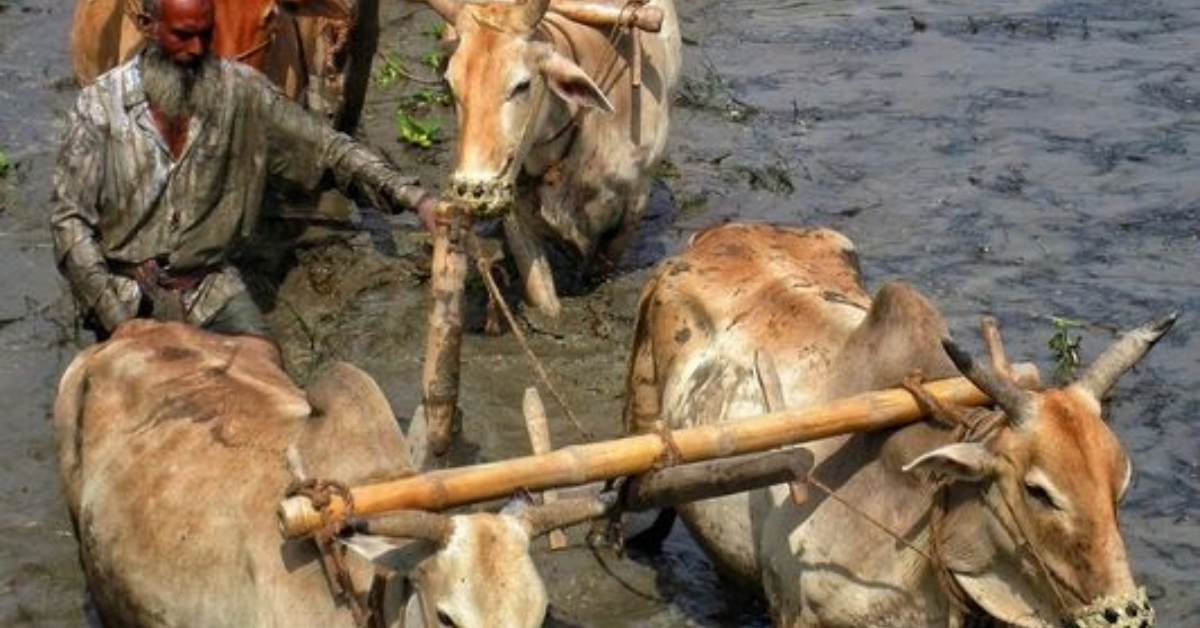
Syed Asir Ha-Mim Brinto
Syed Asir Ha-Mim Brinto is a self-taught photographer based in Rajshahi, Bangladesh, who holds a degree in Bengali Language and Literature from Rajshahi University. His lifelong fascination with the craft began in childhood through early exposure to family cameras, eventually evolving into a dedicated pursuit of street, lifestyle, landscape, and documentary photography. Driven by a passion for exploration, he utilizes his lens to document the world, weaving intricate stories of the human experience and the cultural landscapes he encounters.
Resonance Score Breakdown
Transparency Note: The resonance score (6.3/20) is calculated based on social engagement metrics collected before the award announcement.
Expert Photography Reviews · 7
The Weight of the Soil
It is 3:15 am, and the house is holding its breath. In the dark, I find myself thinking about the things we have outgrown but cannot quite let go of. We trade the slow, aching rhythm of the earth for the hum of machines, believing that speed is a form of progress.
Read the reflection →The Persistence of Earth
I am generally wary of the romanticization of labor. We have a tendency to look at the past through a soft, golden filter, turning the grueling, back-breaking reality of survival into something quaint or picturesque.
Read the reflection →Reviews & Comments
Share your thoughts about this award-winning photograph. Your reviews contribute to the community engagement score.
The ochre dust rising from the Rajshahi soil possesses a warmth that reminds one of Turner’s late, hazy canvases, where light isn’t merely reflected but inhaled by the earth itself. It’s a palette of sun-scorched clay and the bruised, muted violet of a humid afternoon. I’m truly moved by how the cattle’s hide bleeds into the landscape’s amber glow; it’s a quiet, rhythmic harmony that makes the modern world feel suddenly, mercifully distant.
Romanticizing the plow feels easy from a distance, but does it ignore the exhaustion etched into the farmer’s posture? I find myself wincing at the aesthetic polish applied to such grueling labor. Why do we crave this pastoral nostalgia while the subject remains nameless and obscured by the dust? It’s a beautiful frame, sure, but whose heritage are we actually consuming here? I’m left wondering if we’re honoring the tradition or just commodifying the struggle.
Echoes of P.H. Emerson’s pastoral realism haunt this frame, yet the IXUS sensor struggles with the dynamic range that a platinum print would have handled with grace. It’s a familiar, agrarian rhythm, reminiscent of early ethnographic surveys, but the composition’s geometry feels fresh. I’m genuinely moved by the dust caught in that shutter speed; it’s a fleeting, tactile ghost of a vanishing era. It’s not just documentation; it’s a quiet, stubborn defiance against the relentless march of mechanization.
Dust kicks up, suspended in that perfect 1/800th slice of time. It’s a tracking shot frozen mid-stride. The rhythm of the cattle and the plowman creates a visual cadence I haven’t felt in years. It’s raw, kinetic, and honest. I’d have killed for this framing on a film set. The cut would’ve been a mistake; the frame holds everything. It’s the kind of grit that makes me miss the smell of the earth. Pure cinema.
The frame’s geometry relies on the diagonal tension between the cattle and the plow. It’s a rigid, calculated alignment. The negative space above the horizon line provides necessary breathing room, preventing the composition from collapsing under its own weight. I’ve grown weary of sentimental rural studies, yet the structural discipline here holds the eye captive. It doesn’t rely on nostalgia. The placement of the figures creates a fulcrum that balances the entire picture plane perfectly.
The dust kicked up by the cattle creates a hazy, golden atmosphere that feels almost painterly, grounding the farmer in a landscape defined by raw earth and ancient rhythm. I’m struck by how the yoke connects man and beast, turning the soil into a shared history. It’s not just a portrait; it’s a tactile dialogue. The environment here isn’t a backdrop—it’s the very weight of tradition pressing against his shoulders. I find it deeply moving.
There’s a quiet dignity in the way this farmer leans into the yoke, but I wonder if he knew he was being watched. The composition is sharp, yet I’m searching for a flicker of recognition in his eyes that isn’t there. It feels like a scene observed from a distance rather than a shared moment. Still, the grit on his hands tells a whole life of labor. I wish he’d been invited into the frame.