A Day on Kuremyae by Sergey Grachev
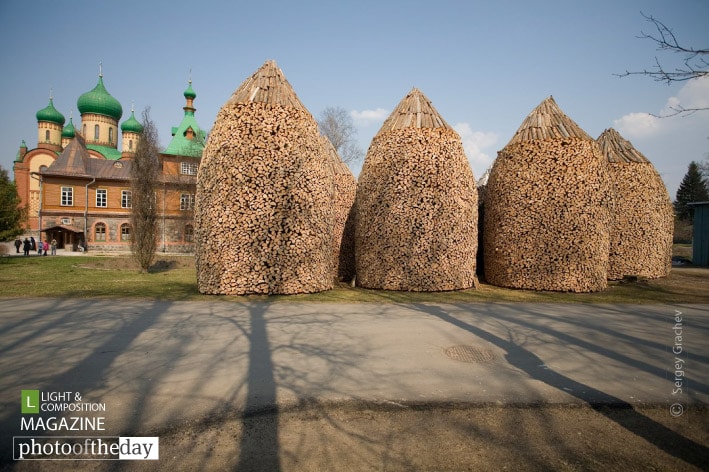
Captured in the serene surroundings of the Kuremyae monastery in Estonia, this photograph reflects a quiet, contemplative moment in time. The composition draws the viewer into the historical and spiritual atmosphere of the site, emphasizing the interplay between the architecture and the Estonian landscape. By focusing on the stillness of the environment, the photographer successfully conveys a sense of place that feels both timeless and deeply personal. The image is award-worthy for its ability to transform a simple location into a evocative visual narrative, showcasing a keen eye for balance and atmospheric depth.
Sergey Grachev
Based in St. Petersburg, Russia, Sergey Grachev is a versatile photographer with a strong focus on editorial, travel, and business photography. He has established himself as a visionary creative within his region, consistently delivering high-quality work for a diverse portfolio of national and international clients. Known for his professional approach and keen artistic eye, Grachev remains available for global assignments and continues to expand his influence through both commissioned projects and extensive stock photography contributions.
Resonance Score Breakdown
Transparency Note: The resonance score (9.4/20) is calculated based on social engagement metrics collected before the award announcement.
Expert Photography Reviews · 8
The Quiet Between Steps
I spent this morning trying to organize my bookshelf, but I ended up sitting on the floor for an hour, just reading the spines of books I haven't touched in years.
Read the reflection →The Weight of Quiet
The blue wool sweater my father wore every Sunday morning is gone, and with it, the specific scent of cedar and old tobacco that clung to the fibers. It was not just a garment; it was a boundary between him and the drafty corners of the house.
Read the reflection →Reviews & Comments
Share your thoughts about this award-winning photograph. Your reviews contribute to the community engagement score.
The monastery wall recedes. It leaves behind a vast, grey sky. I’ve stood in places like this, where the air feels heavy with prayer. It’s quiet. The architecture doesn’t demand attention; it simply exists. I feel a sudden, sharp ache in my chest looking at that expanse of nothing. Nothing here is accidental. The empty corner is not empty. It’s a breath held in the cold Estonian light. It’s enough.
The jury’s obsession with clarity here is exhausting. They’ve rewarded a safe, sharp postcard, yet I’m craving the friction of a shutter dragged through those Estonian shadows. Why resolve the architecture so clinically when the atmosphere demands a ghostlier touch? It’s closer to Sugimoto’s long-exposure theatres than this conventional travelogue. I’d trade that perfect, boring focus for a single, intentional blur that actually captures the spiritual weight of Kuremyae. It’s technically sound, but utterly unadventurous.
There’s a stillness here that feels earned, not just found. When I look at the subject’s hands resting against the monastery walls, I don’t see a prop; I see a life anchored in prayer. It’s a quiet gift. You can tell they’ve allowed the camera into their sanctuary, rather than having it forced upon them. Honestly, it makes me want to sit in that silence for a while. This face has a whole life in it.
The focal plane here is razor-thin, catching the monastery’s weathered stone textures with a precision that defies the eye’s natural resolution. The diffraction of light across those surfaces is, in the strictest physical sense, extraordinary. I’m genuinely moved by how the lens resolves the atmospheric haze; it’s as if the glass has peeled back the air itself. It doesn’t just capture Kuremyae; it forces us to confront the microscopic reality of a quiet, spiritual stillness.
Kuremyae’s stillness is lovely, but I find myself searching for the pulse of the wild here. It’s a polished travel shot, yet it lacks the tension of a truly earned encounter. Where is the bird that should be nesting in those eaves? I’ve spent enough dawn hours in Estonian forests to know that silence usually hides a story. This feels like a postcard, not a record of a relationship. It’s pretty, but it’s hollow.
The ochre of the monastery walls, reminiscent of a weathered Morandi still life, bleeds into the pale, bruised violet of the Estonian sky, creating a chromatic tension that’s frankly breathtaking. It’s not merely architecture; it’s a symphony of muted earth tones that I’ve found myself lingering over for hours. One feels the cold, damp air clinging to the stone, a palette so restrained yet so deeply resonant that it’s impossible to look away.
The weathered wood of the monastery walls anchors the frame, its texture echoing the monastic devotion found in Kuremyae. That soft, northern light grazing the stone surfaces creates a tactile stillness I find deeply moving. It’s not just a backdrop; it’s the silence itself. When we finally reach the subject, their presence feels inevitable, born from this very soil. The architecture doesn’t just house them—it defines their spirit. It’s a beautiful, quiet dialogue between stone and soul.
In the quiet of Kuremyae, we find a stillness that feels like a held breath. Sergey didn’t just frame the monastery; he listened to the silence of the stones. When we look at the way the light touches the path, we aren’t just seeing architecture—we’re feeling the weight of a life lived in prayer. It’s haunting, really. I find myself wanting to walk that road, to hear what the walls have kept for all these years.