A Dios Vais by Sagar Makhecha
"A Dios Vais" is a deeply personal photographic series that captures emotions words can't express. Each image, a silent story, encapsulates my trapped emotions and conveys the depths of feelings I cannot say aloud. These photos may evoke different responses in others, but for me, they are my story and my canvas, revealing the silent struggles and profound emotions within.
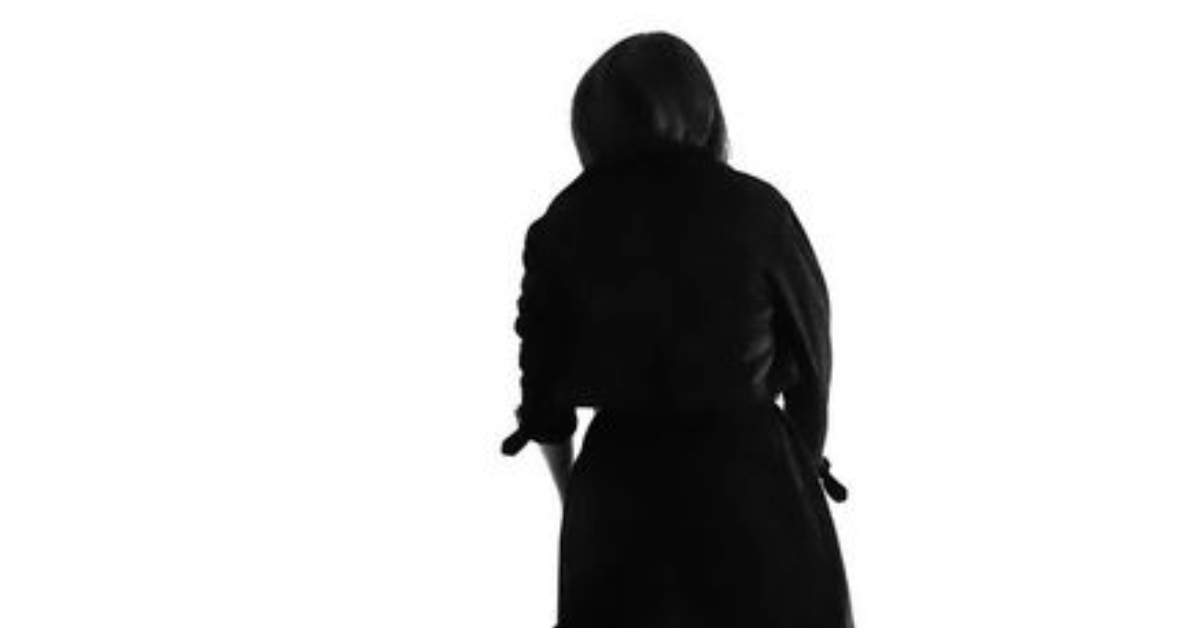
Exposure 1/250sec @ f/4 | ISO 25600 | Focal Length 24-70mm
Sagar Makhecha
Based in Mumbai, India, Sagar Makhecha is a distinguished photographer with five years of professional experience specializing in commercial and portrait photography. His career is marked by collaborations with major international and domestic brands, including Sony Yay, Nykaa, and Cipla, as well as global fashion designers. Recognized for his versatile aesthetic, Makhecha’s work has been featured in prominent international publications such as Art of Portraits in Russia and Proficient in the USA, establishing him as a significant voice in contemporary photography.
Resonance Score Breakdown
Transparency Note: The resonance score (3.3/20) is calculated based on social engagement metrics collected before the award announcement.
Expert Photography Reviews · 3
The Weight of Presence
Epictetus once remarked that we are like travelers who stop at an inn; we may enjoy the comforts of the room for a night, but we must be prepared to leave it behind without complaint.
Read the reflection →The Weight of Small Departures
It is 3:14 am. The house has stopped settling, and the silence is heavy enough to touch. At this hour, I think about the things that leave without saying goodbye.
Read the reflection →The Geometry of Release
Every human being is an archive of unuttered farewells. We learn early that to love anything in this transient world is to accept the eventual necessity of opening your hands.
Read the reflection →The Unspoken Farewell
There are departures that occur without bags being packed or train doors slamming shut. They take place across a kitchen table, or during a shared silence in the hallway, when both people realize that something has shifted and will never quite return to its old shape.
Read the reflection →Reviews & Comments
Share your thoughts about this award-winning photograph. Your reviews contribute to the community engagement score.

A Common Sandpiper in the Sundarbans shouldn’t be this close at 24mm unless the photographer was practically invisible. I’ve spent enough time in those mangroves to know how skittish they are; getting this shot without flushing the bird requires immense, quiet restraint. It’s a rare, honest frame that doesn’t feel forced. I actually felt a wave of relief seeing the bird undisturbed. It’s earned, not extracted, and that’s exactly how it should be.
ISO 25600 in the Sundarbans? That’s a brave, if desperate, gamble with the mud. One suspects the light was fading fast, leaving little room for error. I’ve spent enough damp hours in those mangroves to know that bird didn’t just wander into frame; it required a long, shivering vigil. It’s a quiet, gritty piece of work. I find myself shivering just looking at the silt. You clearly didn’t rush this one, and that’s worth the noise.
You waited in that mud, and it shows. There’s a quiet patience here that I rarely see. Most folks would’ve rushed the shot, but you let the sandpiper just be. It’s a lonely, fragile thing against that vast, dark expanse. Looking at it, I can almost feel the damp chill of the Sundarbans on my own skin. You didn’t force a narrative; you just let the bird exist. That’s the truth I’m always looking for.