Normandy by Yohann Libot
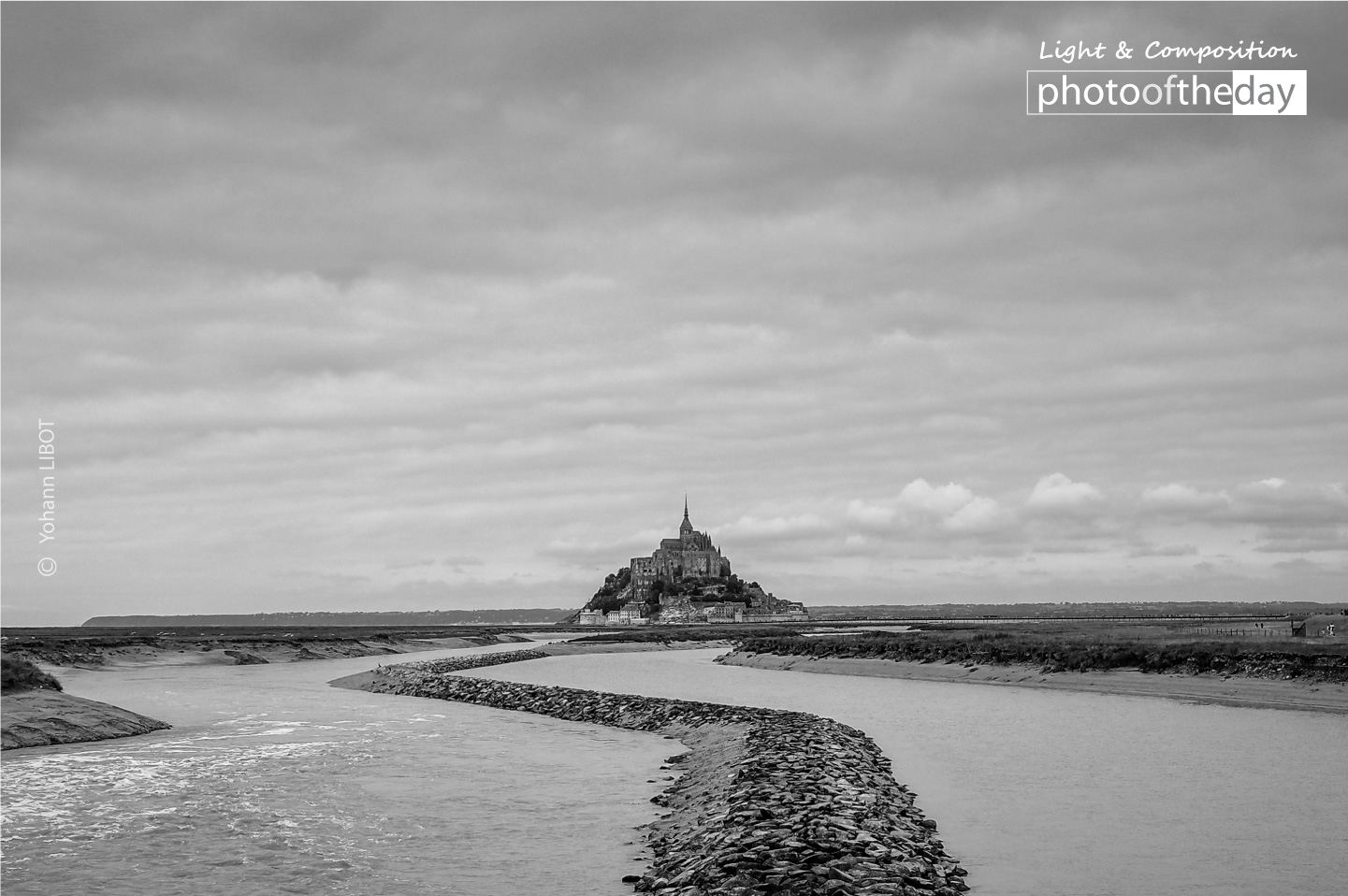
Seeking a fresh perspective on the iconic Mont Saint-Michel, the photographer ventured beyond the standard viewpoints to capture the monument from a unique vantage point. After a deliberate trek through the surrounding landscape, the perfect angle was discovered, allowing for a composition that breathes new life into a classic subject. The resulting image is a testament to the photographer's commitment to finding beauty in the unconventional, showcasing a keen eye for framing and a dedication to the creative process that elevates this historic site into a striking, award-worthy visual narrative.
Yohann Libot
Born in France, Yohann Libot is an internationally published photographer known for his free-spirited approach to documenting global culture, icons, and lifestyle. After transitioning from a career in fashion marketing, he became a professional photographer in 2010, honing a self-taught, dream-like aesthetic that has appeared in commercial and editorial publications worldwide. Often referred to as the “Gypsy Photographer,” Libot travels extensively to capture the unique essence of the countries he visits, blending a confident, unconventional perspective with a deep passion for his craft.
Resonance Score Breakdown
Transparency Note: The resonance score (10.5/20) is calculated based on social engagement metrics collected before the award announcement.
Expert Photography Reviews · 3
The Weight of Stone
It is 3:15 am. The house is quiet enough to hear the floorboards settling, a slow, rhythmic groaning that sounds like a secret being kept. I am thinking about the things we build to outlast us.
Read the reflection →The Salt on the Skin
The air here tastes of wet iron and ancient, crushed shells. It is a sharp, metallic tang that clings to the back of the throat, the kind of cold that doesn't just touch the skin but settles deep into the marrow of your bones.
Read the reflection →Reviews & Comments
Share your thoughts about this award-winning photograph. Your reviews contribute to the community engagement score.
Mont Saint-Michel sits anchored in time, yet here it feels adrift in the void. I’m struck by how the long exposure pulls the tide into a ghostly, velvet stillness. It’s a quiet collaboration between stone and starlight. While the sensor’s noise floor hums with the effort of capturing such deep shadows, the composition remains steady. It’s humbling to think that the photons hitting this sensor traveled centuries just to find this particular, lonely French shore.
Mont Saint-Michel is usually a postcard trap, but here, the atmospheric blur feels like a deliberate erasure of history. It’s closer to Hiroshi Sugimoto’s long-exposure theatres than conventional travelogue. I’m genuinely moved by how the architecture dissolves into the mist; it’s a refusal to resolve the monument’s rigid geometry. Why demand clarity when the tide’s movement offers something far more honest? Libot’s choice to embrace this instability makes the site feel hauntingly, beautifully alive.
Mont Saint-Michel usually demands our gaze, but here, it’s the encroaching tide of shadow that commands the soul. Libot doesn’t just frame stone; he forces the architecture to negotiate with the void. It’s haunting, really. When I look at those deep, suffocating blacks swallowing the base, I feel a sudden, sharp chill—the realization that history is merely a thin crust over an infinite, silent dark. It doesn’t invite us in; it warns us away.