Expedition Overview
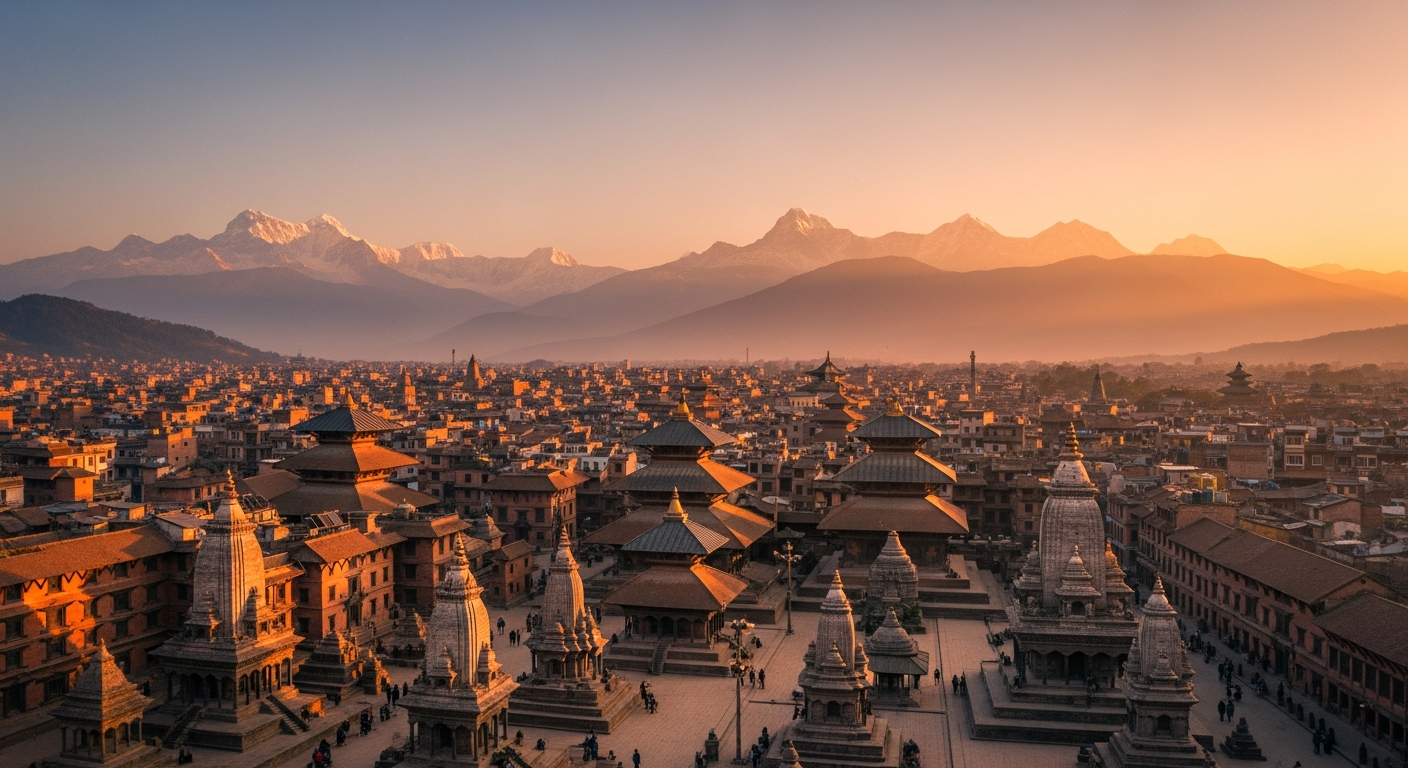
Kathmandu Valley is one of the most visually extraordinary destinations on earth — a living museum where three ancient kingdoms (Kathmandu, Patan, and Bhaktapur) coexist in a single landscape. Over four days, you will move through labyrinthine alleyways lined with centuries-old Newari architecture, visit sacred temple courtyards alive with devotees and daily ritual, and photograph the extraordinary faces of a culture that has changed little in centuries. From the golden dawn light on the stupa at Boudhanath — one of the largest in the world — to the afternoon crowds at Pashupatinath's burning ghats, every hour presents a new photographic chapter.
Under the guidance of Professor Nasrul Eam, this expedition blends technical instruction with immersive fieldwork. You will learn to read available light in complex urban environments, work with natural illumination inside dark temple interiors, and develop the psychological approach needed to photograph people with dignity and authenticity. Small-group dynamics — maximum 8 participants — ensure you receive personal feedback daily. Each evening, group reviews of the day's work sharpen your editorial eye and deepen your understanding of what makes a photograph truly resonate.
Expedition Itinerary
Day 1: Arrival, Thamel & Swayambhunath
After a short orientation walk through Thamel's vibrant market alleys, we head to Swayambhunath — the Monkey Temple — perched on a wooded hill above the city. The afternoon light falls at an ideal angle across the whitewashed stupa and its gilded spire. We photograph the intricate painted eyes of the Buddha, the spinning prayer wheels, and the resident rhesus macaques that have made this sanctuary their own. As the city lights emerge below, we make our first attempts at dusk street photography on the descent through the old bazaar.
The Goal of the Day: Settle into Kathmandu's visual rhythm and make your first frames: wide architecture, texture, and ambient available light.
Day 2: Boudhanath at Dawn & Pashupatinath
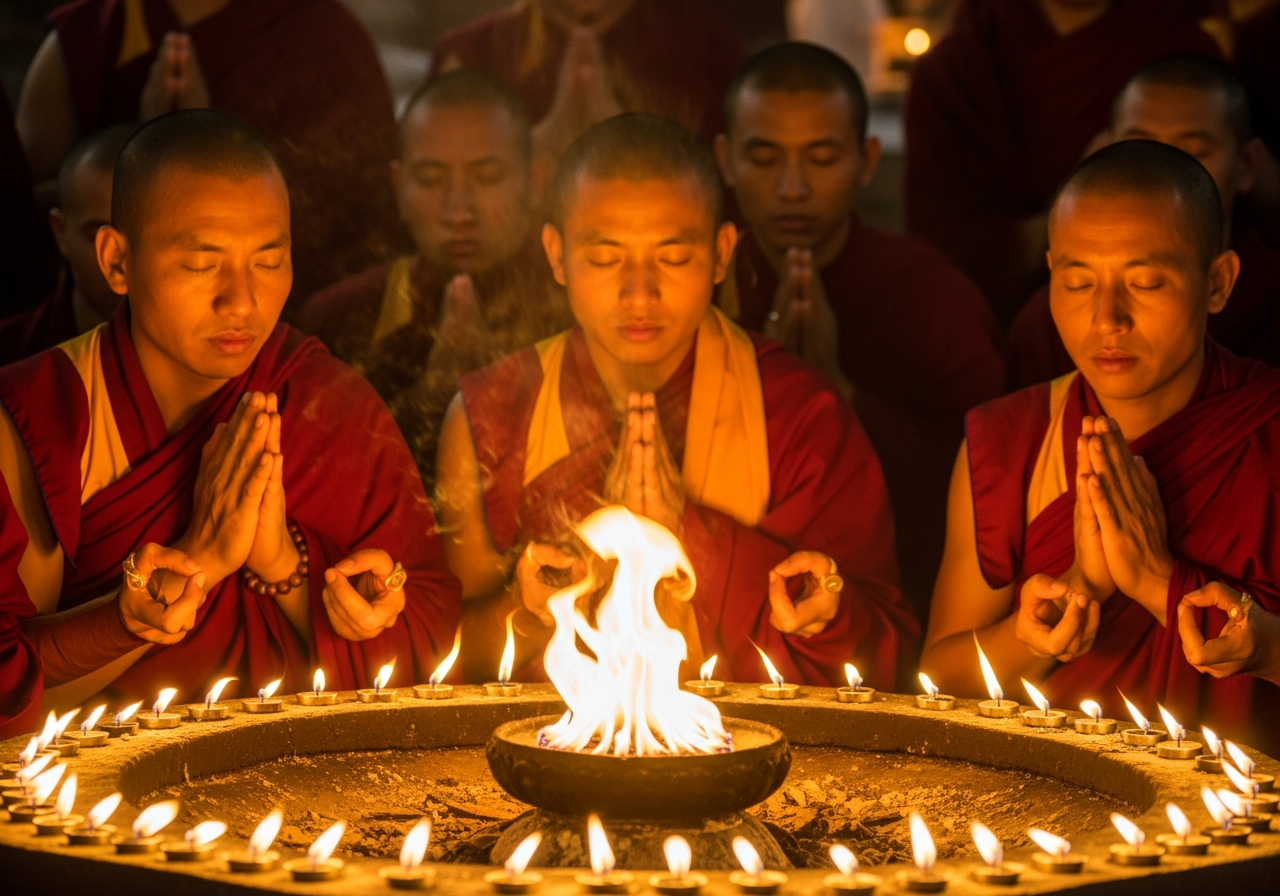
We rise before dawn to reach Boudhanath Stupa as the first monks begin circumambulation. In the pre-dawn quiet, the enormous whitewashed dome reflects the city glow while butter-lamp candles trace slow circles around its base. By sunrise, the gilded spire is lit from the east and the scene transforms minute by minute. After breakfast we move to Pashupatinath — Nepal's holiest Hindu temple — where cremation ceremonies on the riverside ghats offer one of photography's most profound and delicate subjects. We discuss ethical documentary approaches before entering.
The Goal of the Day: Master pre-dawn and low-light techniques; develop a respectful documentary approach to sacred and sensitive subjects.
Day 3: Bhaktapur — The Living Museum
Bhaktapur, the most intact of the three ancient Newar kingdoms, is a full-day immersion. We begin in Durbar Square as local vendors set up their morning stalls, photograph the 55-Window Palace and the towering five-tiered Nyatapola Temple, then move to the potters' quarter, where families have worked clay on the same wheels for centuries. Afternoon light in the narrow alleyways is extraordinary — deep shadows, shafts of warm gold, faces that belong to another era entirely. The evening critique session reviews the day's strongest portfolio candidates.
The Goal of the Day: Develop street portraiture and the ability to work with harsh contrast, deep shadow, and complex foreground-background relationships.
Day 4: Patan Durbar Square & Portfolio Final Edit
Our final morning brings us to Patan — the city of fine arts — where the Durbar Square contains some of the finest Newari craftsmanship in existence. The Golden Temple courtyard, the 17th-century Krishna Mandir, and the ancient stone water spouts of the Manga Hiti offer rich photographic detail. After a final shoot in the early-morning quiet before crowds arrive, we gather for the group critique: each participant presents their three strongest images from the four days, and Professor Nasrul Eam provides individual editorial feedback. The afternoon is free for personal exploration.
The Goal of the Day: Apply the full visual vocabulary developed across all four days; present a cohesive portfolio that tells the story of Kathmandu.
Book Your Expedition
Note: Final price may vary based on specific expedition details and customizations.
Expedition Leaders
Professor Nasrul Eam is a seasoned explorer and visual storyteller who has spent over two decades traversing Asia’s diverse landscapes and cultures. As Dean of the Department of Art and Photography at Light & Composition University, he leads immersive photography expeditions to regions like the Himalayas, Sundarbans, and Bali. These journeys blend cultural exploration with hands-on learning, culminating in a complete photography diploma. With a portfolio of over 50 publications—including The Quintessence of Photography and Illuminating Nature—his work captures the profound beauty of everyday life. His background in advertising, linguistics, and visual arts enriches his mentorship, guiding participants to uncover compelling narratives through their lenses. Professor Eam’s expeditions are transformative experiences, inspiring photographers to engage deeply with the world around them.
Travel Information
Kathmandu is served by Tribhuvan International Airport (KTM). Visas on arrival are available for most nationalities (USD $50 for 30 days, extendable). The valley sits at 1,400 m — negligible acclimatisation required. Best photography seasons: October–November (post-monsoon, crystal-clear Himalayan light) and February–April (spring warmth, blooming rhododendrons). Internal transport between all sites is arranged by the expedition team. English is widely spoken in tourist and religious areas.
What to Bring
• Camera body (DSLR or mirrorless) + 35 mm or 50 mm prime lens for street work
• Wide-angle lens (16–35 mm) for temple architecture
• 70–200 mm telephoto for compressed perspectives and portrait details
• Fast memory cards — 64 GB minimum, bring at least 3
• Extra batteries — 4 minimum (charging unreliable in old-city areas)
• Lightweight tripod or gorilla pod for low-light temple interiors
• Comfortable walking shoes — expect 8–12 km daily on uneven stone streets
• Modest clothing — covered shoulders and knees required at all religious sites
• Sunscreen, lip balm, and a dust mask (Kathmandu air quality varies by season)
Where Will Your Lens Take You Next?
Every horizon holds a new masterclass. Explore 68 worldwide fieldwork routes, interactive satellite maps, confirmed small-group departure dates, and regional optical dossiers.
Expeditions Overview & Master Map
Explore 68 worldwide expedition stops, interactive satellite coordinates, faculty leaders, and complete academic fieldwork curriculum.
Destinations & Lighting Specs
Examine comprehensive regional field dossiers detailing optical lighting conditions, microclimates, cultural protocols, and camera gear.
2026–2027 Departure Matrix
Search confirmed departure windows by season, country, and faculty leader. Small groups guaranteed with 4–8 photographers maximum.