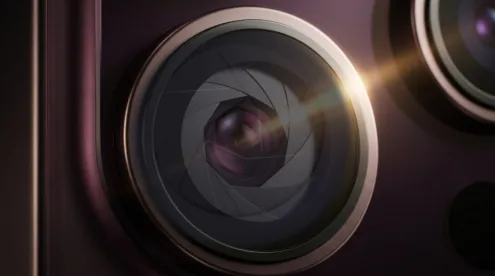
When Apple unveiled the iPhone 18 Pro and iPhone 18 Pro Max, they introduced an interactive control pill on the screen showing four numbers:
ƒ/1.48 • ƒ/1.8 • ƒ/2.8 • ƒ/4.0
Behind that pill lies a mechanical marvel: six matte-black overlapping blades that physically expand and contract inside the sapphire glass barrel. But having four stops on your screen means nothing if you do not understand the language of light. Each stop alters the physical wavefront entering the camera before it strikes the 48MP quad-pixel sensor.
Here is the optical breakdown of the four stops — and when to command each one.
1. ƒ/1.48 — Maximum Light: Gathering the Whisper of the Night
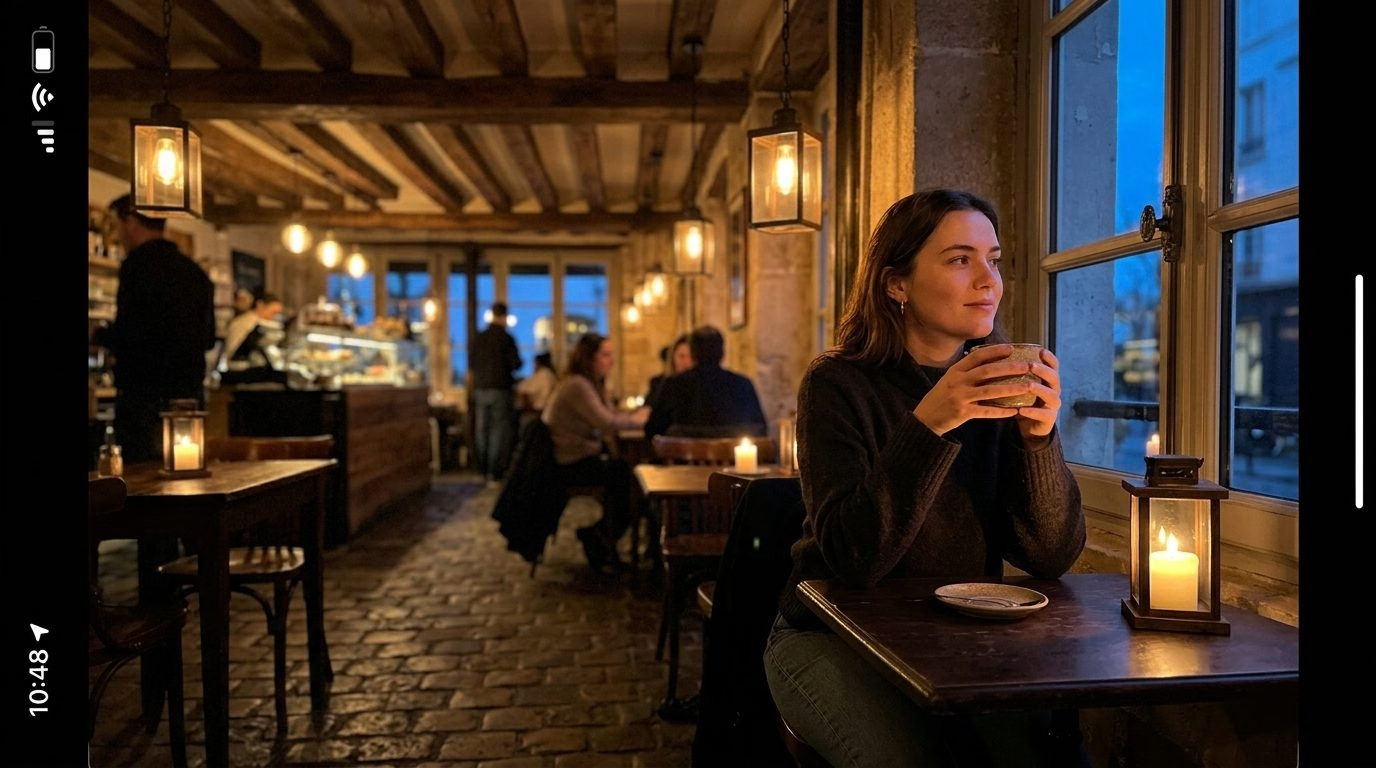
At **ƒ/1.48**, the mechanical iris blades slide completely back against the barrel rim. The physical aperture opening reaches its maximum diameter.
- When to use: Low-light documentary, twilight street scenes, candlelit interiors, and nightscapes.
- Optical Behavior: Eliminates the need for disruptive LED flashes or long handheld computational night-mode exposures that introduce motion blur. It gathers genuine photons when light is scarce.
2. ƒ/1.8 — Classical Portrait Balance & Creamy Optical Bokeh
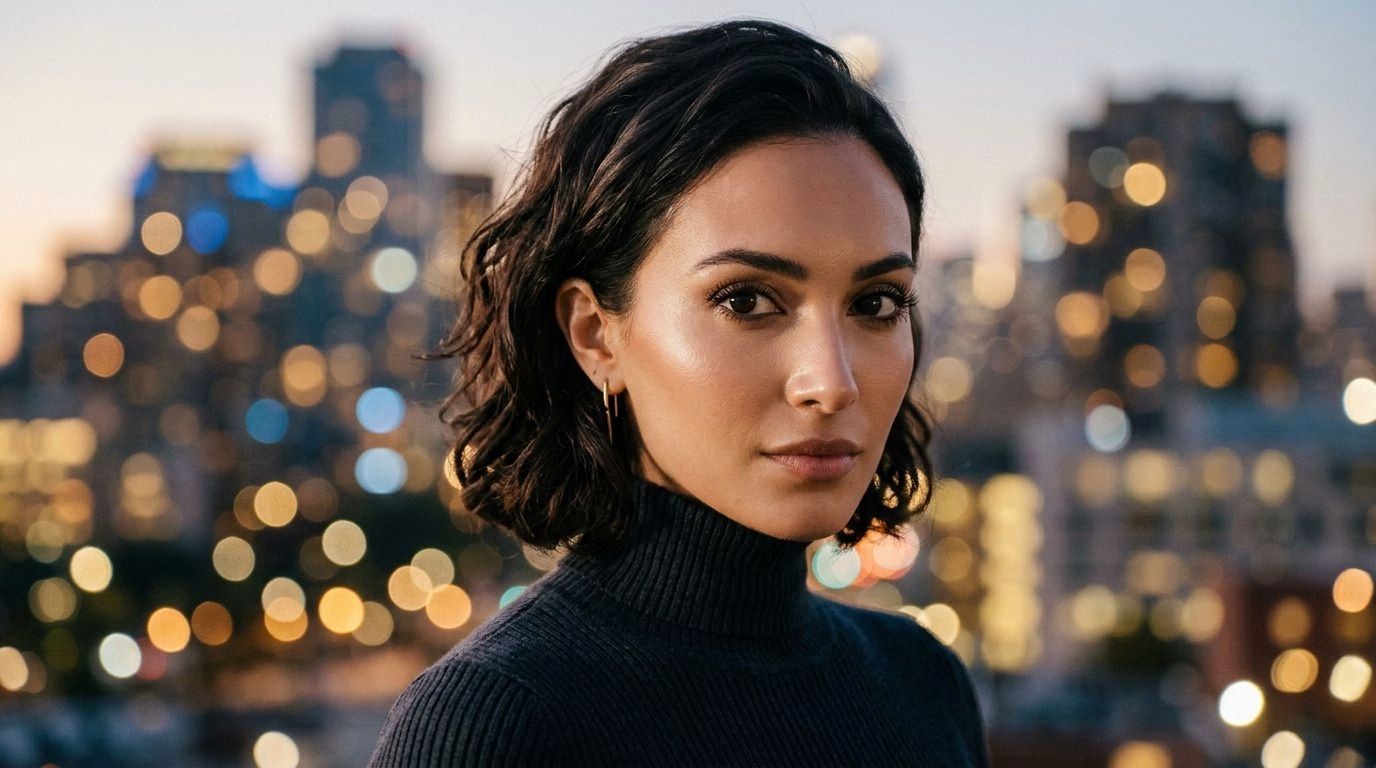
At **ƒ/1.8**, the iris contracts slightly, settling into the sweet spot of spherical aberration control while maintaining a shallow depth of field.
- When to use: Environmental portraiture, single-subject isolations, and fine-art still life.
- Optical Behavior: Unlike software "Portrait Mode" which clips stray hairs and blurs glasses frames with segmentation algorithms, ƒ/1.8 produces true, gradual Gaussian optical falloff that softly wraps around your subject naturally.
3. ƒ/2.8 — Contextual Depth & Multi-Plane Storytelling

At **ƒ/2.8**, the blades narrow further. The cone of light narrows, extending the depth of field deep into the background.
- When to use: Street photography, architectural interiors, group portraits, and layered documentary compositions.
- Optical Behavior: In street photography, your subject does not exist in isolation. You need the cobblestones, the market stall sign, and the passerby behind them to stay readable. ƒ/2.8 connects your subject to their world.
4. ƒ/4.0 — Edge-to-Edge Resolution & 6-Point Diffraction Starbursts
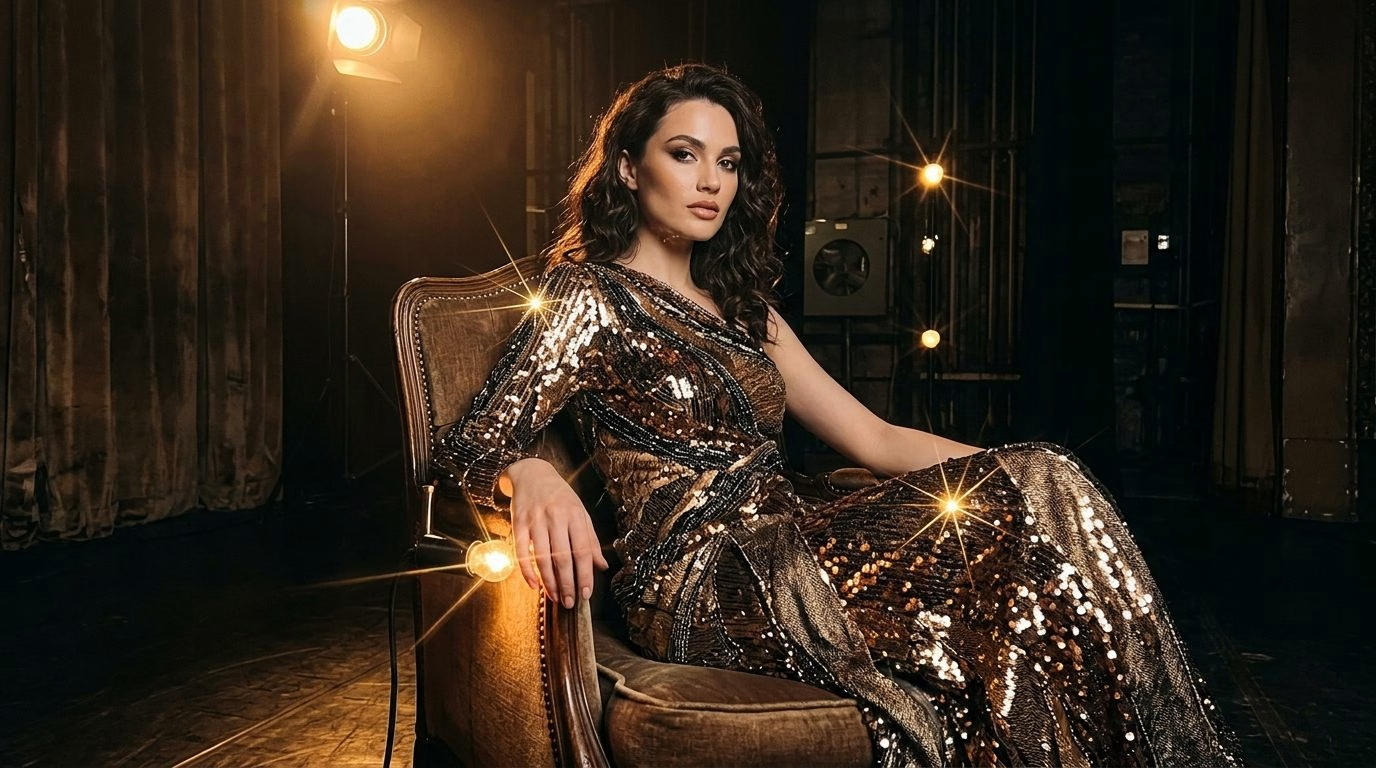
At **ƒ/4.0**, the aperture iris forms a crisp, geometric hexagon. This is the aperture stop that purist photographers have waited 15 years to see on a phone.
- When to use: Expansive landscapes, sunburst street photography, night cityscapes with streetlamps, and maximum edge-to-edge sharpness.
- Optical Behavior: Because the iris consists of six straight mechanical blades, light diffracting past the blade edges naturally forms clean, razor-sharp **6-pointed starbursts** around light sources without software filters.
Master the Four Stops in PHO 180
The four stops are more than settings; they are your authorial voice. In Light & Composition University’s new masterclass, PHO 180 — iPhone 18 Pro: The Aperture in Your Pocket — Mastering Professional Photography, Dean Nasrul Eam guides you through 8 structured lessons, 21 field questions, and 10 practical shooting assignments.