Traces of Old Age by Ozan Bural
In 'Traces of Old Age,' the photographer captures a poignant moment of human reflection, bridging the gap between traditional humanist street photography and contemporary social observation. By utilizing a 165mm focal length, the photographer isolates the subject, creating an intimate portrait that invites viewers to contemplate the irregular social traditions and the passage of time. The image is award-worthy for its profound emotional resonance and the deliberate technical precision used to frame the subject, effectively transforming a fleeting street encounter into a timeless narrative on the human condition.
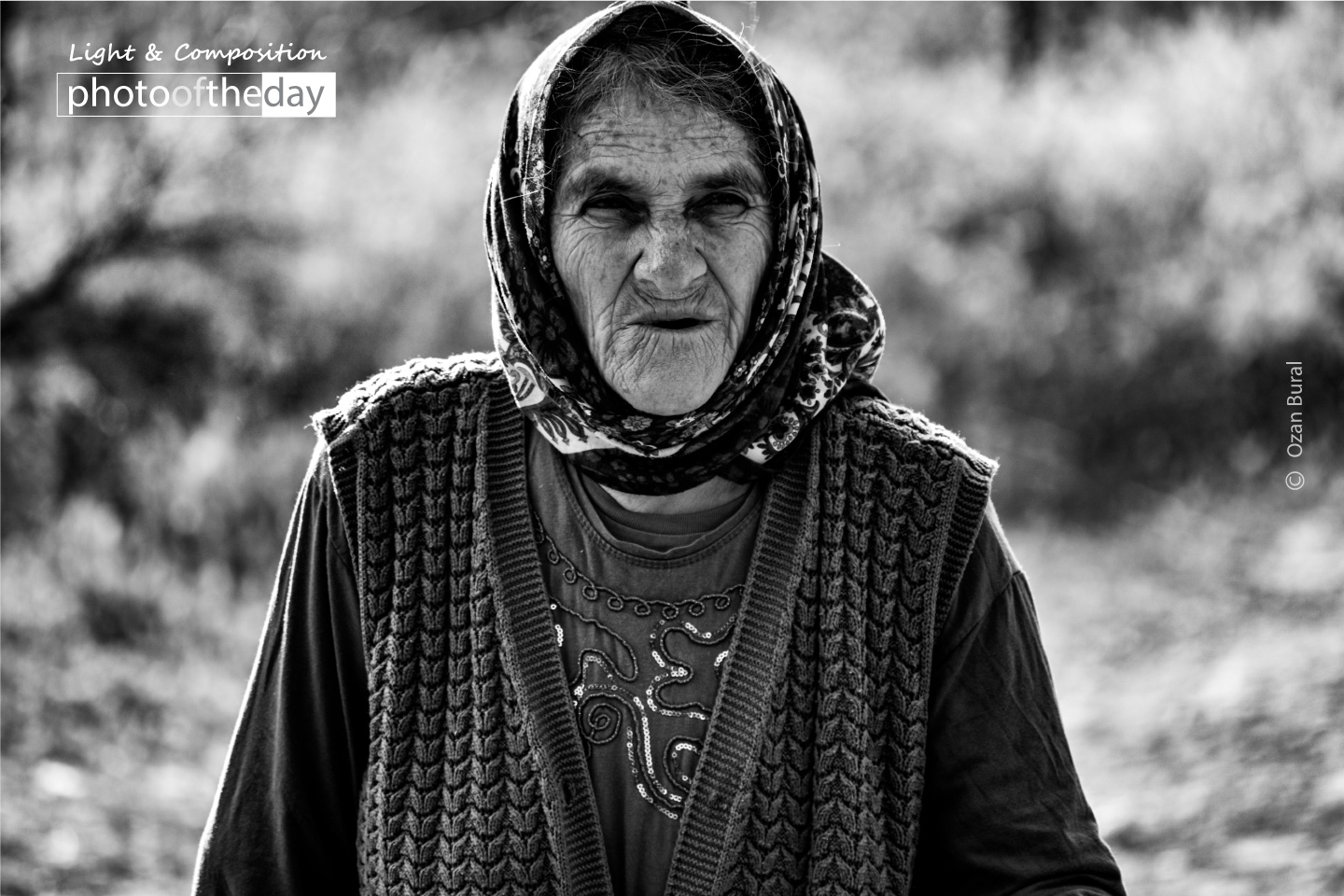
Ozan Bural
Born in 2000 and based in Usak, Turkey, Ozan Bural is an emerging photographer with a deep passion for documenting the human experience. He frequently travels to new locations, driven by a desire to connect with diverse individuals and capture their stories through his lens. His work is characterized by a commitment to humanist street photography, reflecting his ambition to explore social traditions and personal narratives within the frame of his evolving artistic practice.
Resonance Score Breakdown
Transparency Note: The resonance score (0.5/20) is calculated based on social engagement metrics collected before the award announcement.
Expert Photography Reviews · 4
The Cartography of Time
We often speak of time as a river, a relentless current that carries us toward a distant sea. But perhaps it is more accurate to view time as a sculptor, working with a chisel that never rests. It does not merely pass over us; it carves into us.
Read the reflection →The Map of What Remains
There is a specific weight to the skin of someone who has lived long enough to forget the person they were at twenty. It is not just the folding of flesh or the silvering of hair; it is the way the face becomes a map of every departure.
Read the reflection →Reviews & Comments
Share your thoughts about this award-winning photograph. Your reviews contribute to the community engagement score.
The light here doesn’t demand attention; it settles softly, like dust on a weathered stone. Ozan waited for that quiet, flat clarity that only comes when the world stops rushing. I feel a sudden, sharp ache in my own chest looking at those deep lines—they’re a landscape of their own. He stood there, patient and still, listening to the silence of a life lived. It’s a rare, honest grace I’ve rarely seen captured so perfectly.
The 165mm lens flattens the space between us and this man in Usak, but does it bridge the distance or merely manufacture intimacy? I find myself unsettled by how we consume his weathered skin as a landscape of tragedy. Why must we aestheticize his isolation to feel something profound? It’s a sharp, clean capture, yet it feels like a transaction. Are we honoring his humanity, or are we just collecting his wrinkles for our own comfort?
A 165mm lens suggests a photographer keeping his distance, yet there’s a startling intimacy here. One wonders if he spent the morning drinking tea with the subject or merely snatched a frame while passing through. It’s a sharp, clean capture, but I’ve spent enough hours shivering in the dirt to know that true portraits require more than a quick shutter click. It’s a decent shot, but I’m left wondering if he ever went back.
The 165mm compression flattens the picture plane, forcing the subject against a dense, textured backdrop. It’s a rigid geometry. The vertical axis of the face aligns with the frame’s edge, creating a necessary spatial tension. While the narrative sentiment is heavy, the structural discipline holds it together. I’ve grown weary of soft portraits, but this composition doesn’t collapse. It’s a rare instance where the architecture actually supports the weight of the subject’s gaze.