Echoes of Nature by Armin Abdehou
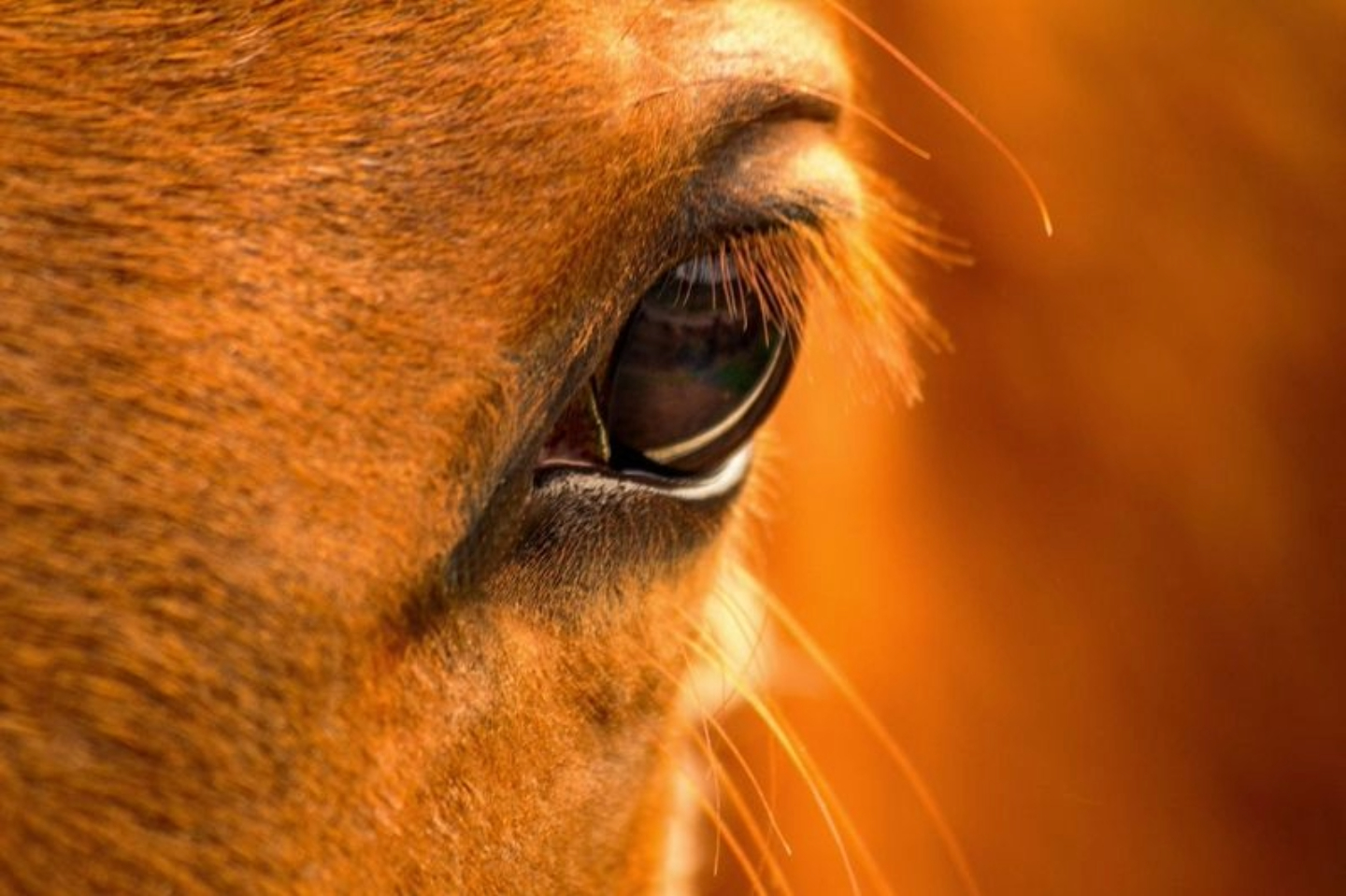
Captured in the rugged Barzan region of Kurdistan, this evocative close-up focuses on the soulful eye of a sorrel horse, a descendant of noble lineages. The photographer masterfully utilizes a 300mm lens to isolate the intricate textures of the coat and the depth of the animal's gaze, creating an intimate connection between the viewer and the subject. By emphasizing the horse's expressive eye, the image transcends a simple portrait, becoming a poignant meditation on resilience and the timeless bond between humanity and nature. This photograph is award-worthy for its technical precision and its ability to distill the vast spirit of the landscape into a single, profound moment.
Armin Abdehou
Originally from Ghasre Shirin, Iran, and currently based in Vienna, Austria, Armin Abdehou is a distinguished graphic designer and self-taught photographer. Holding a DBA from the University of Tehran, a design degree from England, and a German journalism license, he brings over fifteen years of professional experience to his craft. His transition into wildlife and nature photography has garnered international acclaim, with his work featured by BBC Earth, BBC News, and National Geographic Italia. Beyond his nature studies, he is recognized for his dedication to digital art and his commitment to celebrating the diverse roles of women.
Resonance Score Breakdown
Transparency Note: The resonance score (6.8/20) is calculated based on social engagement metrics collected before the award announcement.
Expert Photography Reviews · 4
The Mirror of the Wild
There is a specific silence that follows the departure of a herd. It is not the absence of sound, but the absence of movement—the way the tall grass stops shivering, the way the dust settles back into the earth as if it were never disturbed.
Read the reflection →The Language of the Unspoken
When I was seven, my grandfather kept a chestnut mare named Bess in the paddock behind our house. I remember the smell of her—damp hay and something metallic, like old coins. I used to press my forehead against her neck, waiting for her to tell me the secrets of the fields.
Read the reflection →Reviews & Comments
Share your thoughts about this award-winning photograph. Your reviews contribute to the community engagement score.
The composition hinges on a precise golden ratio, placing the iris at the intersection of the upper-right third. The horse’s coat creates a complex, rhythmic texture that balances the smooth, dark void of the pupil. It’s a masterclass in spatial tension. I’m genuinely struck by how the curve of the eyelid mirrors the frame’s edge, locking the subject into place. It’s not just a portrait; it’s a perfectly solved equation of organic geometry.
The jury’s obsession with the crispness of this horse’s eye is frankly exhausting. Why settle for a clinical, sharp record when you’ve got a 300mm lens? I’d have loved to see Armin push the shutter speed, letting the animal’s restless energy smear into the frame. It’s a bit too safe for my taste. What did he choose not to resolve here? I’m craving the blur, not just another portrait that’s technically perfect but emotionally stagnant.
Most wildlife portraits are forgettable, but this one sticks. It’s the way the light catches the horse’s iris, revealing a depth that feels almost human. I’ve seen thousands of animal shots, yet this gaze stopped me cold; it’s hauntingly familiar. While the focus on the coat’s texture is technically sound, it’s that singular, wet reflection in the eye that ensures this will still matter in thirty years. It’s a rare, quiet victory of patience over mere equipment.
The light here doesn’t just fall; it lingers in the curve of that sorrel eye. I’ve spent enough mornings in the high country to know the stillness required for this. Armin didn’t rush. He waited until the animal’s pulse slowed to match the mountain air. Looking at that deep, liquid reflection, I feel a sudden, sharp ache for the silence of Barzan. It’s a rare, quiet communion. He listened, and the horse finally spoke back.