Autumn by Kirsten Bruening
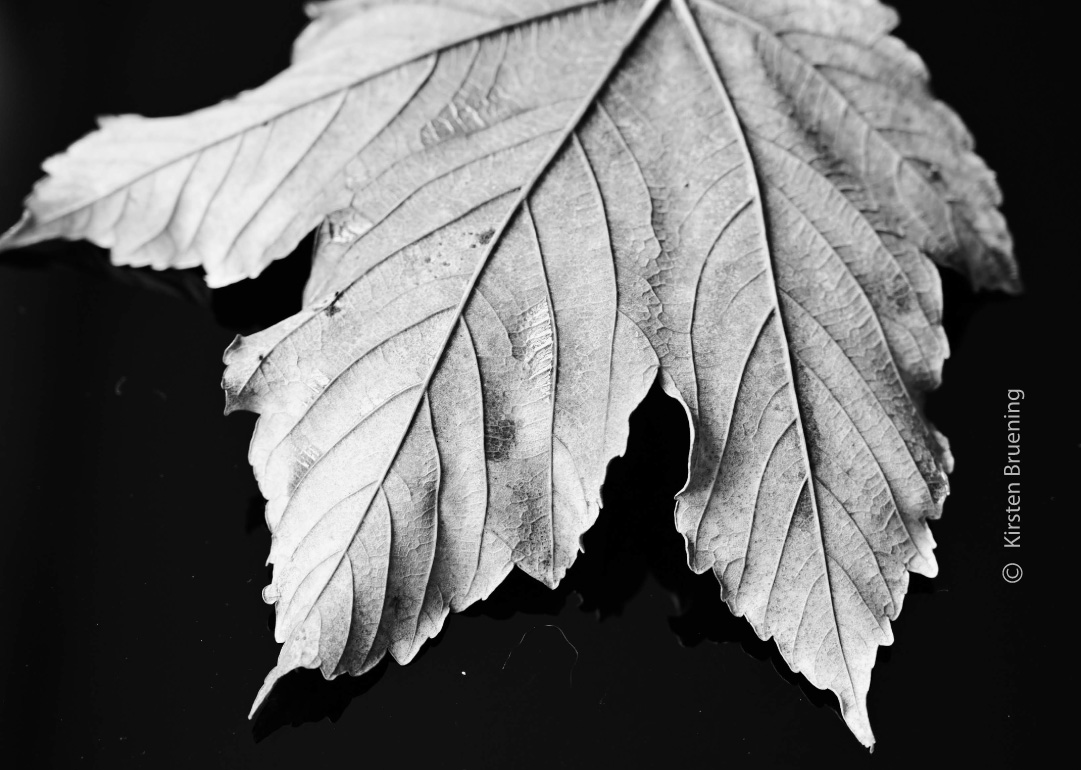
Captured in the heart of autumn, this evocative close-up celebrates the fleeting beauty of the season. As the oaks blush and maples turn vibrant shades of yellow, the photographer focuses on the delicate transition of foliage that serves as both a vital shelter for wildlife and a symbol of nature's cyclical rhythm. By highlighting the intricate textures of the fallen leaves, the image transforms a simple seasonal occurrence into a poignant study of color and decay. Its award-worthy quality lies in the intimate perspective and the quiet, respectful observation of the forest floor, capturing the essence of autumn's quiet transformation.
Kirsten Bruening
Based near Cologne, Germany, Kirsten Bruening is a dedicated photographer whose creative journey began in childhood with an early exploration of analogue techniques. Following a fifteen-year hiatus, she returned to the craft with a renewed focus on the expressive power of light and shadow, particularly within nature, portraiture, and wildlife genres. Currently pursuing formal studies to further refine her technical expertise, she continues to develop a portfolio defined by a deep appreciation for the emotional resonance found in monochromatic and natural landscapes.
Resonance Score Breakdown
Transparency Note: The resonance score (9.1/20) is calculated based on social engagement metrics collected before the award announcement.
Expert Photography Reviews · 5
The Crisp Edge of Letting Go
The smell of damp earth always brings me back to the woods behind my childhood home, where the ground felt like a soft, decaying quilt beneath my bare feet.
Read the reflection →The Architecture of Decay
We often mistake the city for its steel and glass, forgetting that the most honest document of our existence is found in what we discard. Urban life is a constant cycle of growth and shedding; we build, we inhabit, and eventually, we leave behind the remnants of our presence.
Read the reflection →Reviews & Comments
Share your thoughts about this award-winning photograph. Your reviews contribute to the community engagement score.
The frame’s geometry is compromised by an uneven distribution of mass. While the textures of the decaying foliage possess a certain tactile sharpness, the lack of a central fulcrum causes the eye to drift aimlessly across the picture plane. It’s a chaotic arrangement that fails to anchor the viewer. I’ve grown weary of such aimless close-ups. Without a disciplined structural logic to contain the color, the composition doesn’t hold. It’s merely noise on the forest floor.
One wonders how many damp afternoons were spent kneeling in the Cologne mud to catch this particular decay. It’s easy to snap a leaf; it’s quite another to wait until the light hits those veins with such precise, melancholic clarity. I’ve spent enough hours shivering in the undergrowth to recognise the patience required here. It isn’t just a study of autumn; it’s a quiet, earned victory over the inevitable rot of the season. Well played.
The ochre here isn’t merely autumnal; it’s the bruised, burnt sienna of a Morandi still life, vibrating against the damp, slate-grey decay of the forest floor. It’s a chromatic ache that makes my own heart stutter. One finds the transition from vibrant gold to necrotic brown so tenderly rendered, as if the light itself were mourning the season’s end. It’s a symphony of dissolution, where every leaf’s edge holds the quiet, fading warmth of a dying sun.
There’s a quiet dignity in how these leaves surrender to the earth. I’ve spent my life looking for the soul in a subject, and while there’s no human face here, the decay feels deeply personal. It’s a portrait of a season’s final breath. I find myself leaning in, feeling the crisp, brittle edges of that maple leaf. It’s honest work. Kirsten didn’t just take a picture; she sat with the forest until it opened up.
Before the eye identifies the decay, something in the chest tightens. It’s the sudden, sharp recognition of fragility. Bruening’s leaves don’t just sit there; they demand a physiological surrender, a slowing of the pulse to match their brittle collapse. I’ve returned to this frame three times today, and each time, the amber veins feel like a quiet ache in my own hands. It’s a beautiful, unsettling reminder that everything eventually lets go.