Ancestral Life by Laura Marchetti
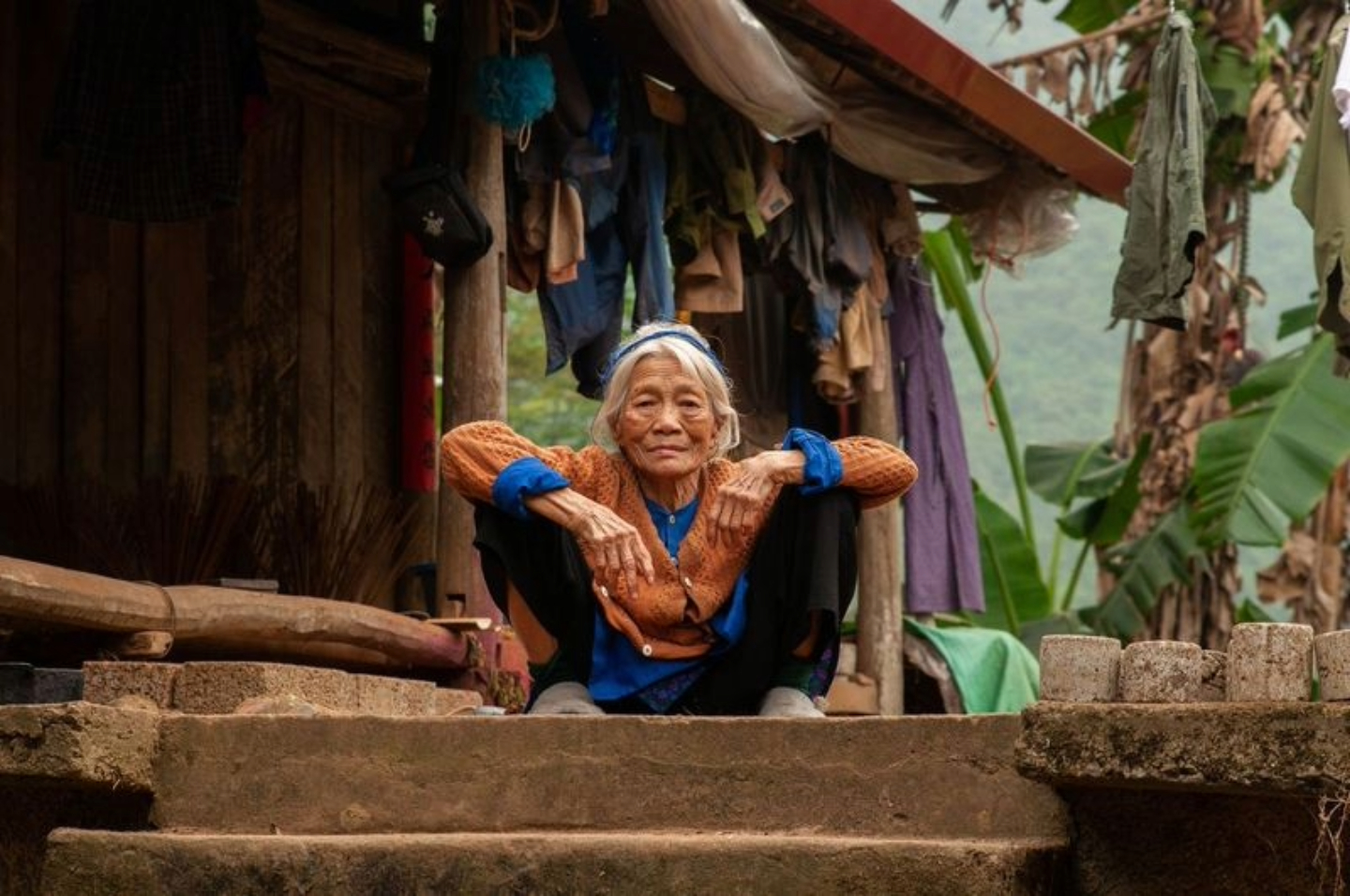
Captured in April 2024 during a journey through Vietnam, this image documents the serene, rhythmic existence of a village community living in harmony with the natural cycle of the sun. The photographer was drawn to the simplicity and quiet dignity of the villagers, whose ancestral lifestyle remains untouched by modern haste. By focusing on the interplay of light and the authentic environment, the photographer creates a poignant narrative of human resilience and tranquility. This work is award-worthy for its ability to transform a fleeting cultural encounter into a timeless, evocative portrait of human connection and traditional life.
Laura Marchetti
Born in 1971, Laura Marchetti resides in Syracuse, Italy, where she balances a professional career as a pharmacist with a profound dedication to the arts. Since embracing photography in late 2018, she has channeled her lifelong creative experience—ranging from oil painting to airbrushing—into the lens, viewing the medium as a therapeutic kaleidoscope for self-expression. Her work is defined by a deep, empathetic attention to her surroundings, seeking to transform the unpredictable stages of life into emotive, light-filled visual narratives.
Resonance Score Breakdown
Transparency Note: The resonance score (6.7/20) is calculated based on social engagement metrics collected before the award announcement.
Expert Photography Reviews · 4
The Rhythm of the Earth
There is a particular silence that settles over a village when the sun begins its long retreat behind the hills. It is not an empty silence, but a heavy, textured one, filled with the scent of damp soil and the slow, deliberate movements of those who have never learned to rush.
Read the reflection →The Weight of Quiet
I spent this morning trying to fix a wobbly chair in the kitchen. I kept tightening the screws, but the wood just seemed tired, refusing to hold its shape.
Read the reflection →Reviews & Comments
Share your thoughts about this award-winning photograph. Your reviews contribute to the community engagement score.
The jury’s obsession with clarity here feels misplaced. Why demand resolution when the subject is the ephemeral rhythm of ancestral life? Marchetti’s choice to let the light bleed into the shadows creates a texture that feels almost tactile, like a lumen print left too long in the sun. It’s a relief to see a D90 pushed toward abstraction rather than clinical sharpness. I’m genuinely moved by the blur; it’s where the real history lives.
Marchetti’s framing echoes the ethnographic precision of early twentieth-century travelogues, yet the D90’s sensor renders these textures with a modern, clinical sharpness that feels almost jarring. It’s a delicate balance; she avoids the romanticized exoticism that plagued colonial-era archives. I’m genuinely moved by how the light catches the weave of the baskets, grounding the scene in a tactile reality. It’s not just a record of a village; it’s a quiet, rhythmic dialogue with the past.
The light hits the wall, not the people. It’s a quiet choice. Marchetti leaves the frame wide, letting the dust settle in the corners. I’ve spent minutes staring at that shadow. It doesn’t ask for attention. It simply exists. Nothing here is accidental. The empty corner is not empty. It’s the weight of a life lived slowly. I feel a sudden, sharp ache for that stillness. It’s rare to find a frame that breathes this deeply.
Most entries in this category rely on the exoticism of the subject to do the heavy lifting. Marchetti avoids that trap. By pinning the exposure to the subtle interplay of light on weathered textures, she forces us to look at the rhythm of the work rather than the location. It’s a quiet, honest frame. I’ve seen thousands of travel portraits, but this one lingers because it doesn’t beg for attention. It’s simply, stubbornly, human. I’m glad it exists.