A Grey Bearded Nepali by Ryszard Wierzbicki
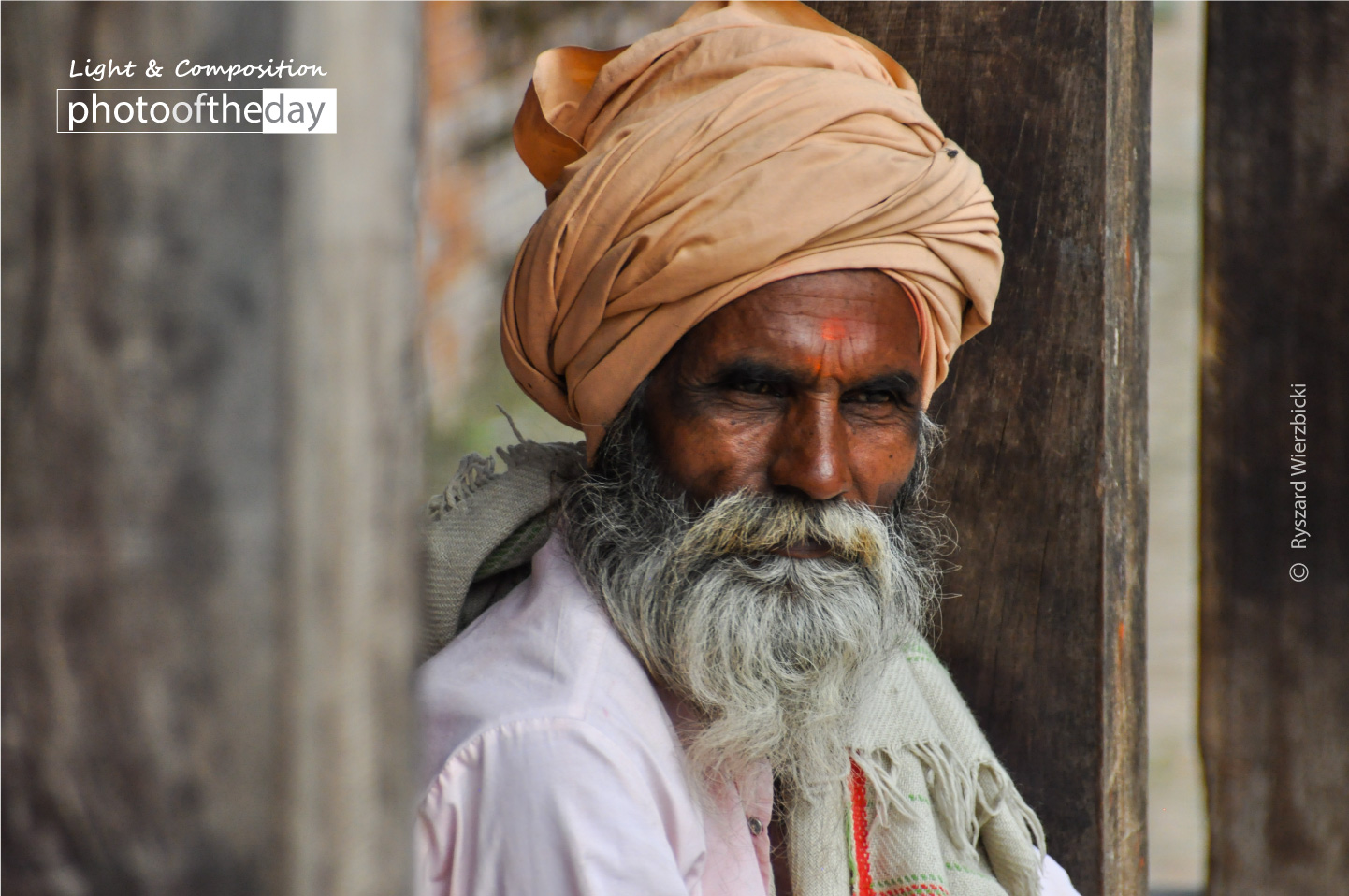
Captured near the sacred Pashupatinath Temple in Kathmandu, this portrait of a grey-bearded Nepali man offers a poignant glimpse into the spiritual atmosphere of a UNESCO World Heritage site. The photographer navigated the complex sensory environment—marked by the smoke of ritual cremations across the river—to secure this intimate encounter. By respecting local customs and offering a small gratuity, the photographer earned the subject's allowance for a candid shot. The image is award-worthy for its raw, authentic connection to the subject and its ability to convey the profound cultural weight of a site where life and death intersect daily.
Ryszard Wierzbicki
Born in 1963 and a graduate of the University of Gdańsk, Ryszard Wierzbicki transitioned from a diverse career in social sciences and marketing to become a dedicated traveler and photographer after moving to the UK in 2006. His work is deeply influenced by his extensive explorations of South-East Asia and his volunteer efforts with orphaned children. Now based in Swindon, he balances his professional life as a marketing advisor with a passionate commitment to documenting the world through his lens and managing travel-focused photography communities.
Resonance Score Breakdown
Transparency Note: The resonance score (11.7/20) is calculated based on social engagement metrics collected before the award announcement.
Expert Photography Reviews · 8
The Weight of Time
I keep a small, smooth river stone on my desk, worn down by years of being turned over in my palm. It is cool to the touch, heavy with a history I cannot name, yet it feels like a tether to a place I have never visited.
Read the reflection →The Sediment of Time
When a river slows its pace, it begins to drop the silt it has carried for miles, layering the riverbed with the history of the mountains it has traversed.
Read the reflection →Reviews & Comments
Share your thoughts about this award-winning photograph. Your reviews contribute to the community engagement score.
The beard holds the dust of the temple. It’s a map of smoke and years. I’m struck by the stillness in his eyes. He doesn’t look at the lens. He looks through the noise of Kathmandu. The frame isn’t crowded. It’s held. The space around his head isn’t empty; it’s heavy with the weight of the river. Nothing here is accidental. The empty corner is not empty. It’s a breath. I’ve found peace here.
The air near Pashupatinath is heavy, thick with the scent of ritual smoke and the weight of centuries. He stood here in the cooling hour, waiting for the man’s gaze to settle. I’ve felt that same stillness, where the light doesn’t just illuminate, it reveals a soul. It’s a quiet, aching beauty. Looking at those weathered lines, I find myself holding my breath, feeling the intersection of life and the inevitable, silent river beyond.
The subject’s gaze anchors the frame, creating a vertical axis that demands total attention. It’s a rigid geometry. The beard’s texture provides the necessary counterweight to the negative space encroaching from the left. I’m genuinely unsettled by how the shadow truncates the jawline, yet the structure holds. It doesn’t collapse into sentimentality. The composition is precise, disciplined, and entirely unforgiving. It’s a rare instance where the architecture of the face dictates the entire visual field.
The frame holds. It’s a tight close-up, the kind that demands a silence you can’t edit out. That grey beard isn’t just hair; it’s the texture of a life spent watching the smoke rise at Pashupatinath. I’ve seen a thousand portraits, but this one stops the clock. The subject’s gaze is a cut that never came, a lingering take that forces you to breathe with him. It’s raw, heavy, and absolutely essential.
Before the eye identifies the grey beard or the smoke-stained air of Pashupatinath, something in the chest tightens. It’s a visceral, held-breath moment. I’ve looked at this man three times today, and each time, his gaze pulls me into a quiet, heavy stillness. It doesn’t just document a face; it triggers a phantom scent of ash. When I return to this portrait, I feel the weight of his years settling into my own bones.
We look at this face and we understand something about the smoke drifting near Pashupatinath. Ryszard didn’t just point a lens; he sat in the silence of that sacred space until the man’s eyes softened. It’s a quiet conversation captured in grey whiskers and heavy, knowing skin. I feel a sudden, sharp ache in my chest looking at him. It’s a portrait that asks to be returned to, because it’s clearly a life truly heard.
The smoke of Pashupatinath clings to his skin like a shroud, yet it’s the hollows beneath his brow that truly haunt me. Wierzbicki doesn’t just capture a face; he maps the geography of a soul resigned to the pyre. I’ve stared into those dark, recessed eyes and felt a sudden, cold shiver of my own mortality. Shadow here isn’t mere contrast. It’s the silence between breaths, the heavy, inevitable weight of a life nearing its end.
You didn’t just take a portrait; you sat with the weight of that place. I can feel the smoke of the ghats in his eyes. It’s a heavy, tired look, and you didn’t try to pretty it up or hide the grit. Because you waited, you caught the exact moment he let his guard down. I’ve been there, and it’s not easy. You earned this. There’s something truly honest happening here.