Author`s Cuisine by Rodrigo Aliaga
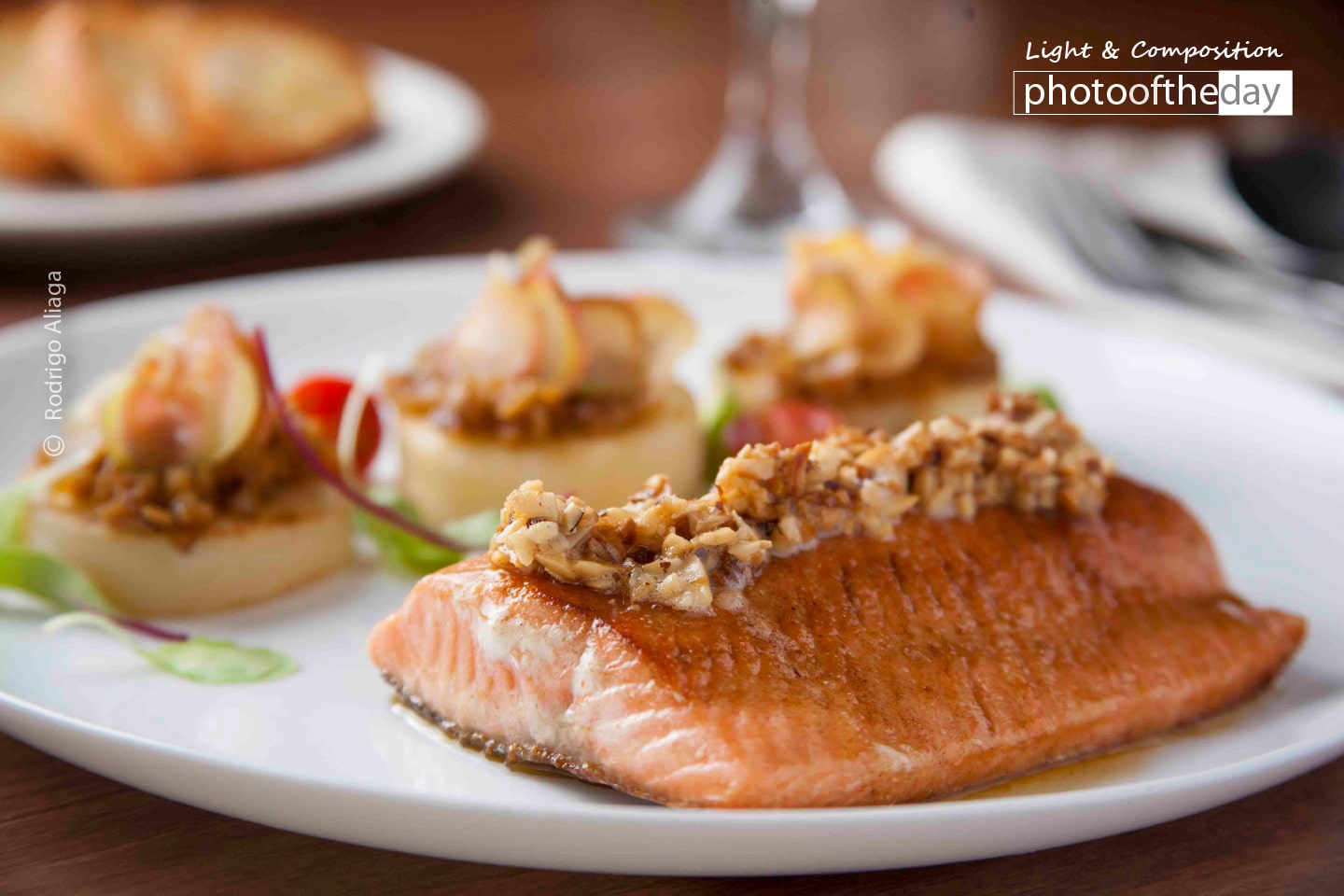
In this evocative food photograph, the photographer captures a trout dish adorned with Bolivian chestnut sauce, treating the culinary creation as a masterpiece of fine art. Recognizing the inherent beauty of the chef's work, the photographer approached the shoot with deliberate restraint, opting for fewer exposures to maintain the integrity of the subject. The resulting image is a testament to the synergy between culinary craft and photographic vision, where lighting and composition elevate the textures of the dish into a sophisticated visual experience worthy of international recognition.
Rodrigo Aliaga
Born in La Paz, Bolivia, Rodrigo Aliaga is a distinguished director of photography who brings a cinematic sensibility to his work. With a background in traditional film production and television advertising, he transitioned into digital photography to explore the intersection of technical precision and artistic expression. Aliaga specializes in food photography, where he masterfully blends his deep understanding of light and composition to transform culinary subjects into exquisite, evocative works of art.
Resonance Score Breakdown
Transparency Note: The resonance score (11.4/20) is calculated based on social engagement metrics collected before the award announcement.
Expert Photography Reviews · 6
The Alchemy of the Table
I remember a small, nameless kitchen tucked behind a market stall in La Paz, where the air was thick with the scent of toasted nuts and the quiet hum of a city waking up. There is a particular dignity in the way a meal is prepared when the cook believes no one is watching.
Read the reflection →The Geography of the Plate
We often mistake the city for its skyline, its steel skeletons, and its grand avenues. Yet, the true urban document is written in the kitchen and at the table.
Read the reflection →Reviews & Comments
Share your thoughts about this award-winning photograph. Your reviews contribute to the community engagement score.
The trout emerges from the abyss like a relic unearthed from the Altiplano. It’s not merely food; it’s a confrontation with the void. By starving the plate of ambient light, Aliaga forces the chestnut sauce to hold the weight of the darkness. I’ve stared at these textures until my eyes ached, feeling the cold, thin air of La Paz. It’s a haunting, ascetic beauty that doesn’t invite consumption, but demands a long, silent penance.
The dark, textured slate beneath the trout feels like a rugged Andean landscape, grounding the dish in its Bolivian origin. The light catches the chestnut sauce with a soft, painterly quality that reminds me of a Dutch still life. It’s intimate, almost sacred. I’m struck by how the chef’s environment—this quiet, focused workspace—informs the plate. It’s not just food; it’s a portrait of a place where ingredients are treated with such profound, silent reverence.
The trout sits in a vacuum, stripped of the La Paz markets that birthed it. Why must we sanitize Bolivian ingredients to make them palatable for a global lens? It’s technically precise, sure, but the chestnut sauce feels lonely here. I’m left craving the chaos of the kitchen, not this clinical silence. Does this framing honor the chef, or does it merely erase the messy, vibrant reality of the culture it claims to represent?
Before the eye identifies the trout, a strange, cool stillness settles in the chest. It’s the texture of the chestnut sauce that triggers a phantom hunger, a sensory memory of La Paz’s thin, crisp air. I’ve returned to this three times today, and each time, the plate’s quiet geometry anchors my pulse. It doesn’t just document a meal; it invites a meditative pause that lingers long after I’ve looked away. It’s hauntingly precise.
We look at this trout and we aren’t just seeing a meal; we’re meeting the hands that plated it. Rodrigo Aliaga listened to the chef’s intent before he clicked. The chestnut sauce isn’t just garnish; it’s a landscape of La Paz. I’m moved by how he treats the plate like a person, with such quiet, deep respect. It’s a portrait of labor. I’d sit at this table just to hear the stories behind these textures.
It’s refreshing to see someone resist the urge to over-style a plate. Most photographers treat food like a crime scene, drowning it in artificial light. Aliaga’s restraint here suggests he actually sat with the dish, waiting for the shadows to settle just so. I’ve spent enough hours in cold kitchens to appreciate that quiet discipline. It’s not a flashy shot, but it’s honest. He didn’t rush the trout, and frankly, it shows. A rare, disciplined effort.