Golden Glory by Mohamed Rafi
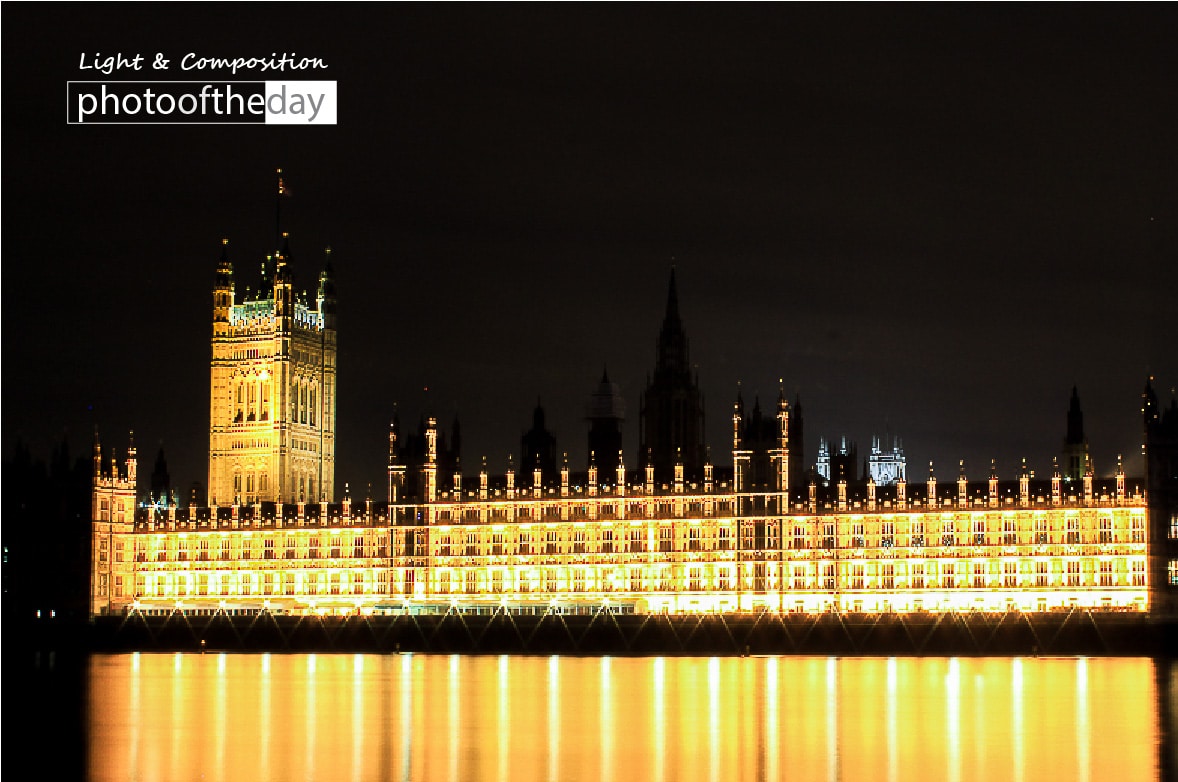
Capturing the iconic Westminster palace against the tranquil, silent Thames, the photographer braved freezing -2°C conditions in Central London to secure this striking long-exposure image. By choosing to photograph the monument in the stillness of the night, the photographer transformed a familiar landmark into a moody, atmospheric study of light and reflection. The deliberate technical choice of a long exposure emphasizes the serenity of the river, creating a harmonious balance between the historic architecture and the dark, flowing water. This evocative composition stands out for its patience and precision, successfully capturing the quiet majesty of London’s most famous skyline.
Mohamed Rafi
Born in Salem, Tamil Nadu, Mohamed Rafi transitioned from a career in hospitality to the world of visual storytelling following a life-altering accident. Now based in London while pursuing an MBA, he utilizes photography as a profound medium for emotional expression, often blending his background in poetry and calligraphy with contemporary techniques. His work frequently leans toward conceptual photography and photojournalism, reflecting his belief that images serve as a language of the soul. Through a creative lens, he explores the intersection of scripted narrative and spontaneous human feeling.
Resonance Score Breakdown
Transparency Note: The resonance score (12.4/20) is calculated based on social engagement metrics collected before the award announcement.
Expert Photography Reviews · 8
The Weight of Silence
In the Victorian era, they believed that the night was a separate country, governed by its own laws of shadow and gaslight. We often think of time as a frantic, forward-moving line, yet there are moments when the clock seems to lose its grip.
Read the reflection →The Weight of Stillness
I spent an hour this morning just watching the dust motes dance in a sliver of sunlight hitting my kitchen floor. It was completely unproductive, and yet, it felt like the most important thing I had done all week.
Read the reflection →Reviews & Comments
Share your thoughts about this award-winning photograph. Your reviews contribute to the community engagement score.
The long exposure has effectively suppressed the Thames’s micro-ripples, turning the water into a near-perfect mirror. I’m genuinely moved by how the lens resolves the Westminster stonework; there’s zero trace of chromatic aberration at the high-contrast edges. By stopping down, Rafi’s pushed the diffraction limit just enough to sharpen the architecture without softening the light’s glow. It’s a rare, clinical precision that makes the cold London air feel almost tangible against the sensor.
London’s skyline is undeniably grand, but it’s a cold, hollow beauty. I’ve spent my life looking for the pulse of a city in the eyes of its people, and here, there’s nobody home. It’s technically precise, sure, but it’s a stage without actors. I find myself longing for a single human shadow on that bridge. Without a soul to anchor it, this golden light feels like a beautiful, empty room. It’s just architecture, not life.
You stood in that biting cold, and I can feel the shiver in your fingers. It’s a clean, sharp frame, but I find myself looking for the pulse of the city. The architecture is grand, sure, but where are the people? I’d trade some of that technical polish for a single soul walking across the bridge. You’ve got the skill, Mohamed. Now, I want to see you find the life hiding in the dark.
London at minus two is a miserable affair, and I’ve spent enough shivering nights on the Embankment to know the bone-deep ache it demands. Rafi didn’t just snap a postcard; he waited for the Thames to settle into that glassy, ink-black silence. It’s a cold, disciplined piece of work. I find myself shivering just looking at it, which is the highest compliment I can offer. He clearly earned his keep on this one.
Of the thousands of London skylines I’ve reviewed, most are just postcards. What separates this from the clutter is the restraint in the water’s texture. By smoothing the Thames into a dark, obsidian mirror, Rafi forces the architecture to hold its own weight. I’ll admit, the biting cold in this shot actually makes me shiver. It’s a quiet, enduring study of stillness that will still feel heavy and significant thirty years from now.
The amber glow of Westminster bleeds into the Thames, a hue reminiscent of Turner’s late, feverish sunsets, yet it’s the obsidian depths of the water that truly haunt me. It’s a chromatic dialogue between regal gold and the bruised, ink-stained violet of a London winter night. I’m breathless before such stillness; it’s as if the city’s pulse has slowed to match the rhythmic, velvet dark, creating a harmony that feels almost sacred in its quiet, shivering intensity.
Technically, it’s a standard long exposure, yet I’m struck by how the Thames flattens into an obsidian void. It’s almost too clean, too resolved. Why settle for such clinical sharpness on Westminster? I’d have preferred the architecture to dissolve, pushing this closer to Hiroshi Sugimoto’s long-exposure theatres than to conventional postcard practice. It’s a missed opportunity to abandon the rigid geometry of the palace for something far more haunting and abstract. It’s just too safe.
Westminster glows, yet it feels like a postcard bought in a gift shop. Why do we insist on stripping the Thames of its grit to favor this sterile, golden silence? It’s technically precise, sure, but it ignores the city’s pulse. I’ve walked these banks; they aren’t this quiet or this clean. Whose London are we actually looking at here? It’s a beautiful lie, but I find myself craving the messy, real shadows this frame refuses to acknowledge.
This image should mention that the tower in question is in fact the first skyscraper ever erected in Europe, long before any other building of this height appeared in our continent.
Anybody with the official data?
Would be very nice!