The Bountiful Land by Shahnaz Parvin
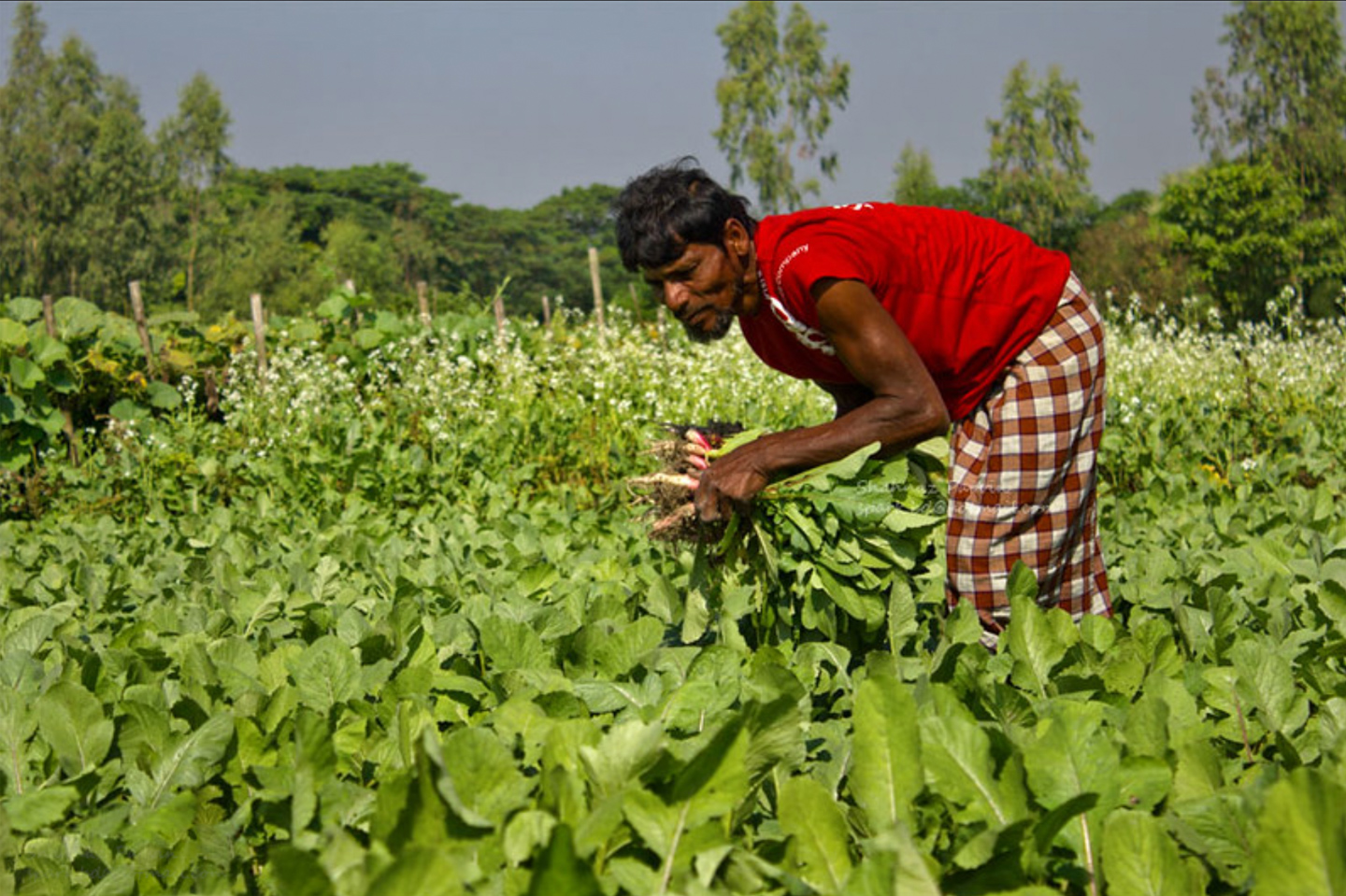
In this evocative capture, a farmer is seen harvesting radishes, their hands moving with the deliberate care of someone deeply connected to the soil. The image serves as a poignant testament to the vitality of the land and the enduring, rhythmic nature of rural agriculture. By focusing on the tactile interaction between the worker and the fresh produce, the photographer highlights the quiet dignity found in daily labor. The composition is award-worthy for its ability to transform a simple, everyday act into a timeless narrative of sustenance and human perseverance, beautifully framed to emphasize the freshness of the harvest.
Shahnaz Parvin
Shahnaz Parvin was a celebrated award-winning photojournalist based in Bangladesh, recognized as one of the preeminent photographers of her generation. Her work, which frequently appeared in the top rankings of global photography lists, focused on documentary storytelling that captured the essence of her home country through images of culture, conflict, and daily life. A dedicated contributor to Light & Composition, she left a lasting legacy through her profound commitment to the craft and her ability to represent the human experience with both sensitivity and technical precision.
Resonance Score Breakdown
Transparency Note: The resonance score (13.6/20) is calculated based on social engagement metrics collected before the award announcement.
Expert Photography Reviews · 6
The Pulse Beneath the Soil
We often forget that we are merely guests of the earth, walking upon a skin that breathes and hungers just as we do. There is a secret language written in the dark, damp loam—a dialogue of roots reaching downward while we reach for the sky.
Read the reflection →The Pulse of the Soil
The smell of damp earth after a long drought is a heavy, sweet perfume that clings to the back of the throat. It is the scent of waking up.
Read the reflection →Reviews & Comments
Share your thoughts about this award-winning photograph. Your reviews contribute to the community engagement score.
The soil clings to these radishes like a prayer. I’ve spent enough mornings in the fields to know the farmer wasn’t rushing; he waited for the light to soften, turning the earth into a quiet sanctuary. It’s a humble, rhythmic grace. Looking at his hands, I feel a sudden, sharp ache for the simplicity of the harvest. He didn’t just pull vegetables from the ground; he listened to the land until it finally let go.
Most agricultural photography feels staged, but here, the dirt under the farmer’s fingernails isn’t a prop; it’s a biography. I’ve seen thousands of harvest shots, yet this one lingers because the radishes aren’t just produce—they’re heavy, visceral, and real. It’s the weight of those greens against the soil that makes me ache for a simpler life. It’s not just a record of labor; it’s a tactile memory that will still matter in thirty years.
The radish harvest creates a rigid diagonal, anchoring the frame against the earth’s chaotic texture. It’s a disciplined geometry. The hands provide a necessary fulcrum, balancing the weight of the produce against the negative space of the soil. I’ve rarely seen such structural clarity in rural reportage. The composition holds, though the periphery threatens to dissolve. It doesn’t rely on sentiment; it relies on the frame. It’s a rare, cold precision that actually satisfies me.
It’s easy to snap a harvest, but capturing the grit under those fingernails requires more than a quick shutter. One suspects Parvin didn’t just wander by; she’s clearly spent enough time in the mud to become part of the scenery. I’ve spent many a damp morning waiting for that specific, honest light, and it’s a rare pleasure to see it caught so cleanly. She’s earned this one. It’s a quiet, decent piece of work.
Radishes pulled from the Dhaka soil don’t just offer sustenance; they drag the damp, heavy truth of the earth into the light. Parvin’s frame avoids the sentimental, yet I’m unsettled by how the shadows cling to the farmer’s knuckles. It’s a brutal, tactile intimacy. When light strikes these roots, it doesn’t reveal; it interrogates. We aren’t looking at a harvest, but a confrontation between human endurance and the dark, indifferent silence of the ground itself.
The radish greens vibrate with a verdant intensity that recalls the lush, humid brushwork of a Monet garden, yet it’s the ochre earth, rich as a Morandi still life, that anchors the soul. I’m breathless at how the white roots catch the light, glowing like pearls pulled from the silt. It’s a chromatic symphony of sustenance, where the soil’s warmth doesn’t just frame the harvest; it breathes, making the farmer’s labor feel like a sacred, sun-drenched ritual.