Lego by Klara Marciniak
While playing with Lego, the photographer observed a striking interplay of light and shadow cast across the living room floor. Recognizing the dramatic potential of the scene, she captured the moment, later enhancing the visual impact through a thoughtful black-and-white conversion. The image transforms a simple domestic activity into a compelling study of contrast and geometry. This photograph is award-worthy for its ability to elevate a mundane, fleeting moment of childhood play into a sophisticated artistic composition, demonstrating a keen eye for finding beauty within the ordinary.
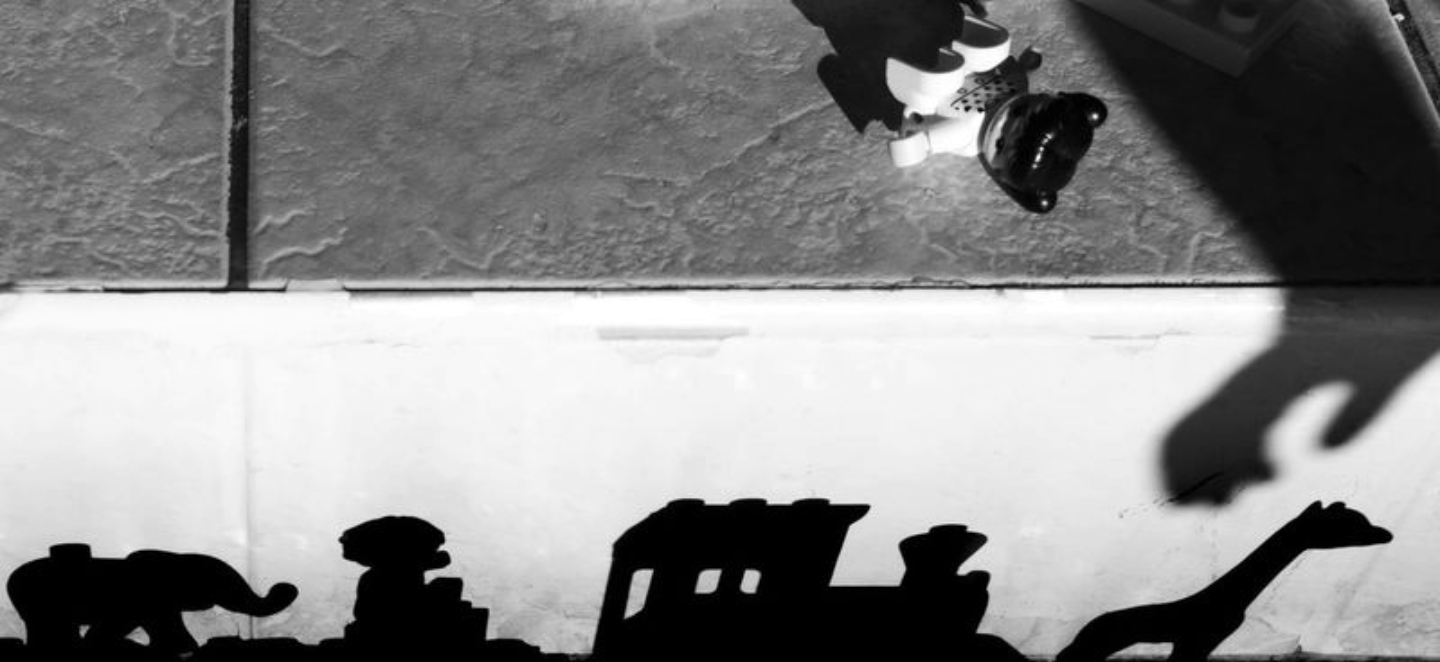
Exposure 1/4000sec @ f/6.3 | ISO 800 | Focal Length 35mm
Klara Marciniak
Klara Marciniak is a Polish-Hungarian photographer based in Alicante, Spain, who finds inspiration in the beauty of everyday life. Dedicated to urban photography, she strives to document the mundane to preserve it for future generations, often presenting common subjects from a unique, fresh perspective. Outside of her photographic pursuits, she balances her creative work with a career in a family publishing house and cherishes time spent with her young daughter.
Resonance Score Breakdown
Transparency Note: The resonance score (6.9/20) is calculated based on social engagement metrics collected before the award announcement.
Expert Photography Reviews · 8
The Architecture of Play
My nephew Leo has a way of building that defies any instruction manual. He sits on the hardwood floor in the late afternoon, surrounded by a chaotic sea of plastic bricks, constructing towers that lean at impossible angles.
Read the reflection →The Architecture of Play
When a colony of leafcutter ants constructs a trail, they do not merely move from point A to point B; they create a complex, interconnected infrastructure that reflects the efficiency of their collective intent.
Read the reflection →Reviews & Comments
Share your thoughts about this award-winning photograph. Your reviews contribute to the community engagement score.
We look at these plastic bricks and see more than toys; we see the architecture of a child’s mind. Klara didn’t just watch the light; she listened to the quiet focus of play. The shadows stretch across the floor like memories, turning a mundane afternoon into a geometric dance. It’s intimate, almost sacred. I find myself holding my breath, remembering my own small hands building worlds. This is a photograph that asks to be returned to.
Stripping away the chromatic spectrum reveals a stark, architectural silence, yet one senses the ghost of primary hues lingering in these sharp, geometric shadows. It’s a monochromatic study that evokes the restrained, dusty stillness of a Morandi still life, where the absence of colour doesn’t diminish the light but rather intensifies its weight. I’m genuinely moved by how these plastic bricks, cast in such dramatic chiaroscuro, transcend their mundane origins to become pure, structural poetry.
Sunlight cuts the floor. A plastic brick casts a shadow longer than its body. It’s quiet. I’ve spent minutes watching how the light ignores the mess, choosing only the geometry. Nothing here is accidental. The empty corner isn’t empty; it’s a breath held in a room. I feel a sudden, sharp ache for the simplicity of a floor before the day begins. It’s rare to find such stillness in a child’s game. Restraint. Pure, cold light.
It’s a relief to see a frame that doesn’t involve the frantic, invasive pursuit of a living creature. After months in the field watching photographers harass nesting birds for a “perfect” shot, this quiet study of plastic bricks feels like a deep breath. There’s no deception here, no stressed animal, just light hitting a floor. I’d take this honest geometry over a thousand exploited predators any day. It’s refreshing to see someone just watching, not taking.
Sharp, geometric shadows stretch across the floor, turning a mundane living room into a stage of architectural tension. The light here doesn’t just illuminate; it carves. I’m genuinely moved by how these scattered plastic bricks become monoliths under such stark contrast. The child is secondary to the landscape of play, a small silhouette lost in the geometry of their own creation. It’s a beautiful reminder that our environments define our childhoods far more than our expressions ever could.
It’s rare to find the infinite in a living room. She stood there as the sun cut across the floor, waiting for the plastic bricks to become monoliths. I’ve spent my life chasing light on mountains, yet here, the sharp, raking shadows feel just as ancient. It’s a quiet geometry that humbles me. She didn’t just photograph toys; she listened to the way the afternoon light turned a child’s play into something sacred and still.
It’s a tidy bit of geometry, I’ll grant you that. But one wonders if the living room floor was the limit of the ambition here. I’ve spent weeks shivering in the Highlands for a single frame, so I find it hard to celebrate a domestic snap caught between chores. It’s clever, sure, but it’s cheap. I prefer my art to have cost the photographer a bit of sweat, not just a casual afternoon.
Most of the thousands of submissions I’ve reviewed this year rely on heavy-handed drama to force significance. Marciniak’s work succeeds because it doesn’t try. By isolating the sharp, geometric shadows of these plastic bricks, she turns a messy living room into a brutalist landscape. It’s a quiet, clever subversion of domestic chaos. I’ll admit, it made me smile—a rare feat. In thirty years, this study of light will still feel honest, unlike the staged perfection we usually see.