Photo-synthesis by Callum Honeybun
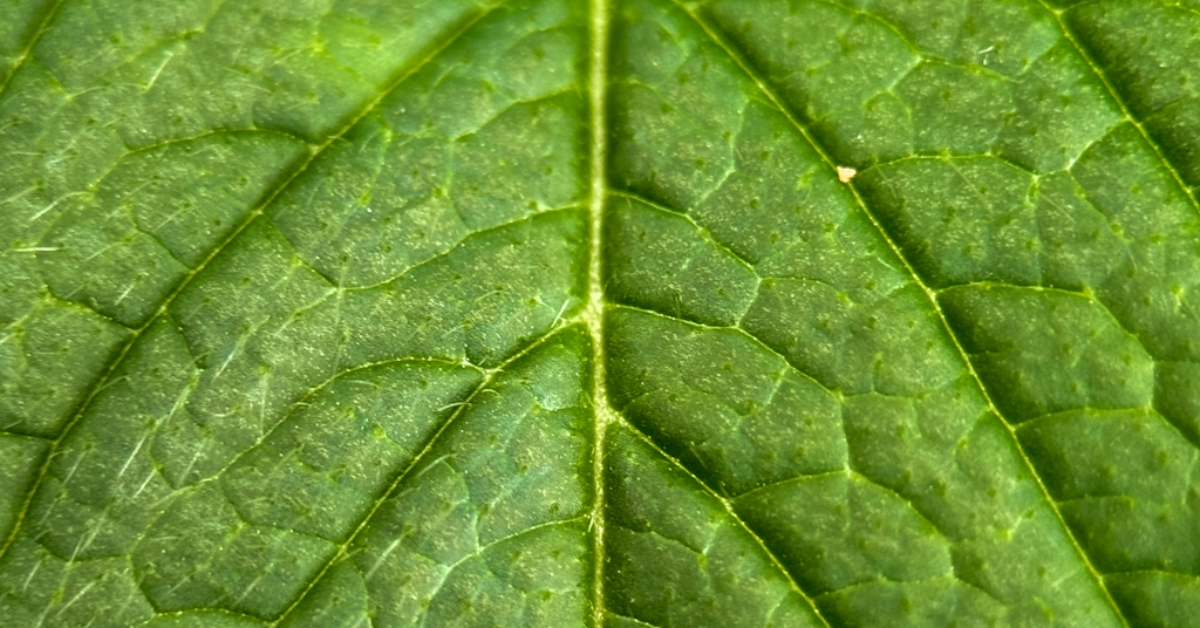
Captured amidst the stillness of a sun-drenched garden in Taunton, this photograph showcases the intricate textures of nature through a macro lens. The photographer utilized the high-resolution capabilities of an iPhone paired with a specialized macro attachment to isolate the vibrant details of a single leaf, turning a fleeting moment of garden tranquility into a study of organic form. The image stands out for its exceptional clarity and the creative decision to elevate a common subject into a compelling visual narrative, demonstrating how modern mobile technology can reveal the hidden complexities of the natural world.
Callum Honeybun
Callum Honeybun is a 33-year-old photographer based in the picturesque county of Somerset, England. Drawing inspiration from the scenic landscapes of the South West, he specializes in mobile photography, utilizing specialized lenses to enhance the capabilities of his iPhone. His work reflects a dedication to capturing the nuances of his surroundings, consistently demonstrating that a keen eye and accessible technology are sufficient to document the beauty of the natural world.
Resonance Score Breakdown
Transparency Note: The resonance score (7.1/20) is calculated based on social engagement metrics collected before the award announcement.
Expert Photography Reviews · 7
The Hidden Pulse
I was weeding the garden this morning, pulling at stubborn bits of grass that seem to grow back the moment I turn my head. My knees were aching against the damp soil, and I was feeling quite impatient with the whole process.
Read the reflection →The Architecture of Breath
In the quiet corners of a garden, there is a silent industry that goes largely unnoticed. We walk past the greenery, assuming it to be a static backdrop to our own busy lives, yet beneath the surface, a vast, invisible exchange is taking place.
Read the reflection →Reviews & Comments
Share your thoughts about this award-winning photograph. Your reviews contribute to the community engagement score.
The light hits the veins like a tracking shot through a dense forest. It’s a quiet, rhythmic pulse of green. I’m struck by how the macro lens forces the eye to linger, turning a simple leaf into a sprawling landscape. It doesn’t need a pan or a tilt; the frame holds its own tension perfectly. It’s the kind of shot an editor keeps because it breathes. Honeybun caught the exact moment nature stopped moving for us.
The chlorophyll-drenched veins pulse with a chartreuse so electric it’s as if Vermeer’s own light had been distilled into a single Somerset leaf. One finds oneself breathless before this verdant architecture, where the shadows aren’t merely absent light, but deep, bruised olives reminiscent of Morandi’s quietest vessels. It’s a sensory feast, a chromatic symphony that doesn’t just sit on the screen; it vibrates, pulling one into a lush, tangled world I’d happily inhabit forever.
Most macro work I’ve reviewed this year feels clinical, but Honeybun’s leaf study breathes. By pushing the Apexel lens to its limit, he’s captured the vein structure with a tactile urgency that makes me want to reach out and touch the chlorophyll. It’s not just a garden shot; it’s a map of survival. I’m genuinely moved by how he’s turned a common Somerset leaf into a relic. In thirty years, this clarity will still feel alive.
It’s a pretty leaf, but I’m left cold. Macro photography demands a stillness that feels absent here; it’s too clinical, too convenient. I’ve spent days in the damp Somerset undergrowth waiting for a single dewdrop to catch the light, and this feels like it was grabbed in seconds. It doesn’t reveal a relationship with the garden, just a technological shortcut. I’d trade all this digital clarity for one frame that actually felt earned.
1/120sec at f/1.8, 100mm equivalent. That aperture is a gamble on a macro plane. It’s razor-thin, leaving the leaf’s periphery in a soft, smeary blur. I’ve spent years fighting diffraction, yet here, the Apexel glass holds its own. It’s technically precarious, but the focus hit is precise. I’m actually impressed by the sharpness on the veins. It’s a calculated risk that pays off. The sensor didn’t choke. It’s a clean, cold execution of optics.
The Apexel’s 100mm focal length forces a razor-thin focal plane, pushing the iPhone’s sensor to resolve cellular structures the naked eye ignores. I’m genuinely moved by how the diffraction of light across the leaf’s waxy cuticle creates such crisp micro-contrast. It’s a triumph of optics over scale. While the f/1.8 aperture renders the background into a soft, creamy bokeh, the vein structure remains sharp enough to feel the plant’s pulse. It’s simply beautiful physics.
Macro work usually leaves me cold, but this leaf in Taunton has a pulse. It’s not just texture; it’s the light hitting those veins exactly when the garden held its breath. If Honeybun had waited a fraction longer, the sun would’ve shifted, killing that sharp, organic tension. I’ve spent my life chasing the chaos of the street, yet this stillness feels just as urgent. It’s a fleeting, perfect heartbeat captured on glass. I’m genuinely impressed.