Playful Childhood by Syed Asir Ha-Mim Brinto
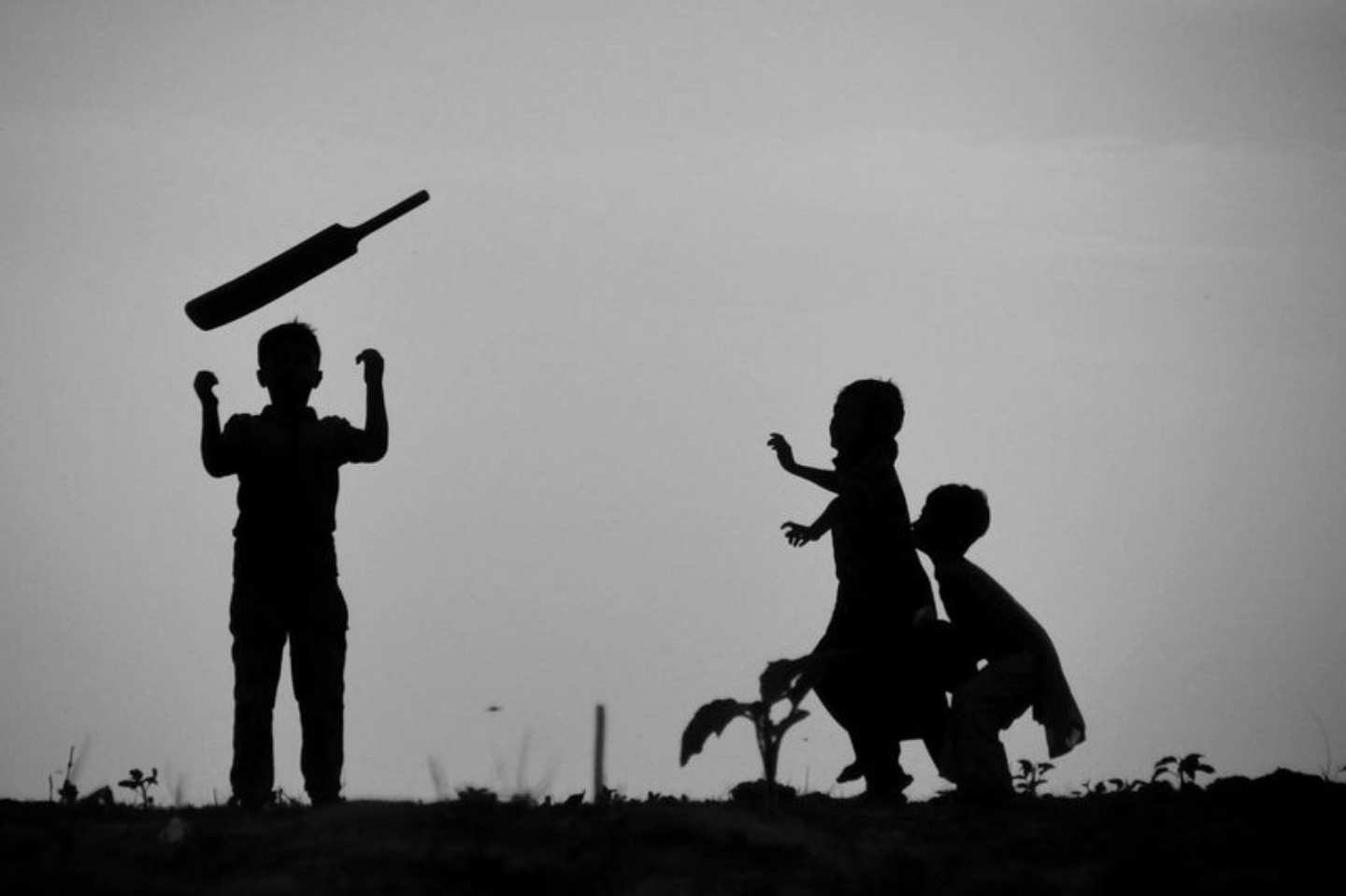
Captured along the banks of the Padma River, this image highlights the resilient and creative spirit of childhood. The photographer observed children crafting their own playthings from simple, readily available tools, finding profound joy in objects that transcend the need for expensive toys. By focusing on these authentic moments of play against the backdrop of a challenging riverine life, the image serves as a poignant documentary of human simplicity. Its award-worthy quality lies in the photographer's ability to elevate a humble, everyday scene into a powerful narrative of innocence and resourcefulness.
Syed Asir Ha-Mim Brinto
Based in Rajshahi, Bangladesh, Syed Asir Ha-Mim Brinto is a self-taught photographer who developed an early fascination with the camera through his family's influence. A graduate in Bengali Language and Literature from Rajshahi University, he channels his academic background into a visual storytelling practice that spans street, lifestyle, landscape, and documentary photography. His work is defined by a deep commitment to exploring the human condition and capturing the authentic narratives found within his local environment.
Resonance Score Breakdown
Transparency Note: The resonance score (6.4/20) is calculated based on social engagement metrics collected before the award announcement.
Expert Photography Reviews · 7
The Weight of Unburdened Air
There is a specific, thin clarity to the air just before a summer storm breaks, when the humidity presses against the skin like a damp wool sweater. It is a heavy, expectant stillness that forces everything to hold its breath.
Read the reflection →The Grit of Joy
The taste of river water is never just water; it is the metallic tang of silt and the cool, heavy breath of the earth rising to meet the sun.
Read the reflection →Reviews & Comments
Share your thoughts about this award-winning photograph. Your reviews contribute to the community engagement score.
Most critics obsess over the IXUS 170’s resolution, but I’m drawn to the motion blur here. It’s not a failure of shutter speed; it’s a deliberate dissolution of form. By refusing to freeze the children in clinical sharpness, Brinto captures the kinetic energy of play itself. It’s closer to the impressionistic studies of movement than conventional documentary. I’m genuinely moved by this refusal to resolve the details. Why demand clarity when the blur feels so much more honest?
There’s a raw, unvarnished honesty here that recalls the humanist urgency of Helen Levitt’s street work. Brinto’s choice of a modest Canon IXUS creates a digital grain reminiscent of early 35mm snapshots, grounding the Padma River scene in a tactile reality. It’s refreshing to see such unforced joy; it honestly made me smile. While the composition echoes the classic geometry of Cartier-Bresson, the focus on improvised play feels entirely, vibrantly new. It’s a quiet, necessary triumph.
The river bank stretches wide. It’s a vast, grey silence. The children occupy only a sliver of the frame. They’ve built something from nothing. I’m struck by the weight of that stillness. It’s not just play. It’s a deliberate pause in a hard life. Nothing here is accidental. The empty corner is not empty. It holds the river’s breath. I’ve rarely felt such quiet joy in a frame. It’s enough.
The shutter snaps, and suddenly, the Padma River’s edge becomes a set. There’s a kinetic energy here, a rhythm in the way these kids turn scrap into play. It’s a tight, honest frame. I’ve spent years watching footage, but this single shot holds a stillness that feels like a perfect, unedited take. It’s raw, it’s rhythmic, and honestly, it makes me miss the simplicity of being ten. The cut would’ve been a mistake.
The low, raking light of the Padma bank catches the dust of their play, turning simple sticks into treasures. I’ve stood in that cooling hour, waiting for the river’s breath to settle. Brinto didn’t rush; he listened to the silence of their joy. It’s a quiet, aching reminder of what we’ve forgotten in our hurry. Looking at their small, focused hands, I feel a sudden, sharp longing for that kind of unburdened, golden simplicity.
The silt-heavy texture of the Padma’s bank creates a raw, monochromatic stage that anchors these children. The light here isn’t just illumination; it’s a tactile element, catching the rough edges of their makeshift toys. I’m genuinely moved by how the vast, empty riverbank makes their small, resourceful figures feel so monumental. They don’t need elaborate settings. The environment provides the grit, and their joy provides the grace. It’s a beautiful, quiet dialogue between poverty and pure imagination.
The ochre silt of the Padma River bleeds into a palette reminiscent of Morandi’s dust-muted still lifes, where the sun-bleached skin of these children vibrates against the river’s bruised, slate-grey currents. It’s a chromatic ache, really; I’m struck by how the raw, earthy browns anchor the fleeting, ephemeral joy of their play. One finds here a sublime, tonal equilibrium that feels less like a captured moment and more like a lingering, sun-drenched memory of childhood.