Unique Tradition by Harris Hendrato
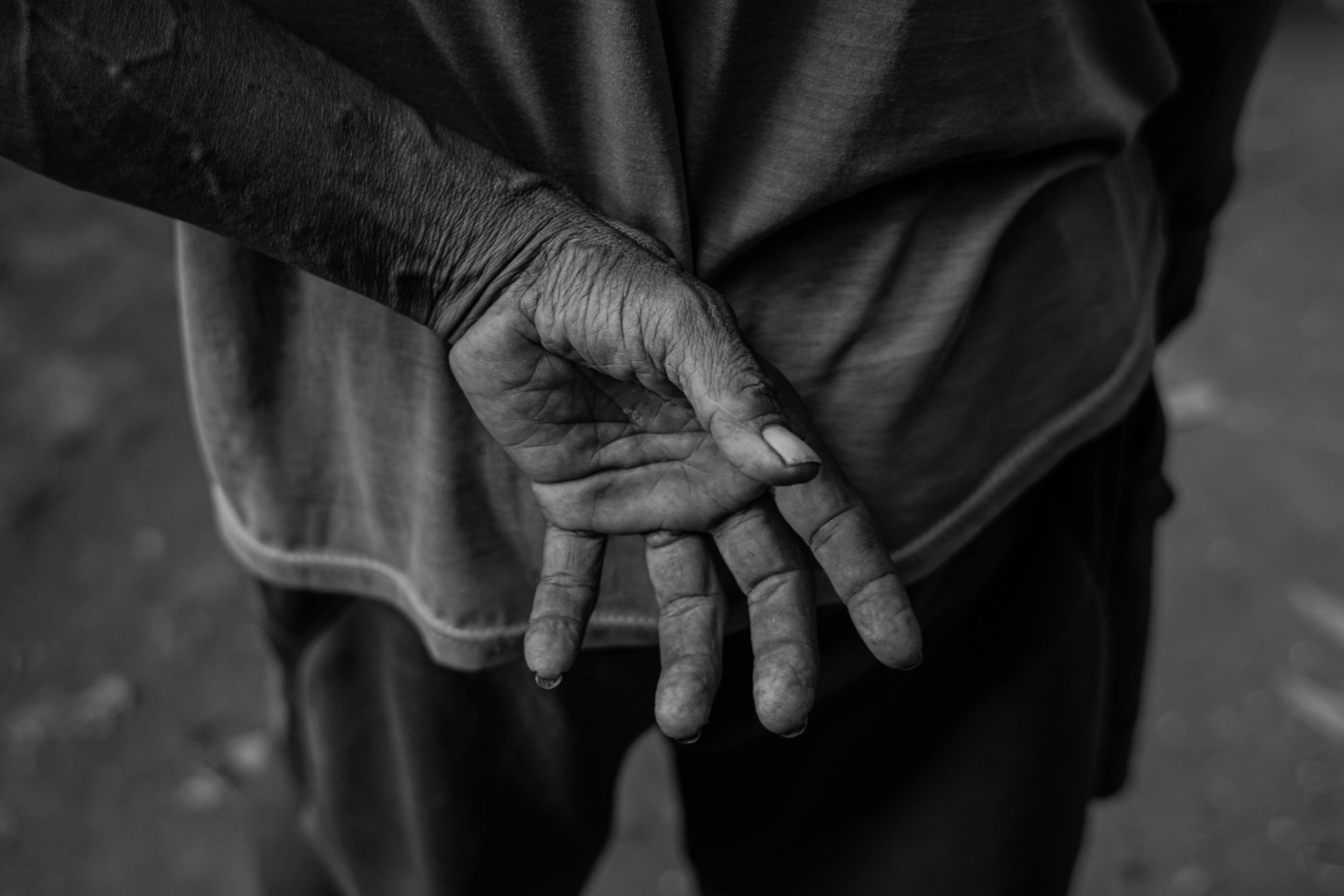
This photograph captures a rare and fascinating cultural tradition involving the equitable division of livestock offspring between breeders. Taken with a keen eye for human connection and rural cooperation, the image documents a moment where partners ensure fairness in their shared agricultural ventures. The photographer masterfully frames this unique social contract, highlighting the trust and mutual benefit inherent in the process. By focusing on the tangible reality of this tradition, the image serves as a poignant visual narrative, earning its place as an award-winning piece through its authentic storytelling and insightful documentation of communal life.
Harris Hendrato
Born in Tangerang, Indonesia, in 2001, Harris Hendrato is a dedicated visual storyteller who transitioned from a background in software engineering to the art of photography. Balancing his professional life as a barista with his creative pursuits, he frequently documents the candid moments encountered during his daily travels. Influenced by the narrative depth of mentors like Beawiharta, Hendrato focuses on capturing evocative, story-driven images that reflect the human experience, consistently refining his craft through local seminars and a commitment to authentic, out-of-the-box visual documentation.
Resonance Score Breakdown
Transparency Note: The resonance score (6.8/20) is calculated based on social engagement metrics collected before the award announcement.
Expert Photography Reviews · 8
The Weight of the Hand
The agreement is not in the words. It is in the skin. We spend our lives measuring.
Read the reflection →The Geometry of Trust
When a mycelial network colonizes a forest floor, it does not hoard nutrients; it distributes them through a vast, subterranean web, ensuring that the weakest sapling receives the same sustenance as the oldest oak.
Read the reflection →Reviews & Comments
Share your thoughts about this award-winning photograph. Your reviews contribute to the community engagement score.
The livestock here aren’t just assets; they’re anchors in a dark, shifting reality. Hendrato lets the shadows swallow the periphery, forcing us to confront the gravity of this rural pact. It’s a heavy, silent negotiation. I’ve stared at these deep, ink-stained corners for an hour, and I’m unsettled by how much truth hides in the black. When light fails to reach the edges, the moral weight of the contract finally becomes visible. It’s haunting, really.
Before the eye identifies the livestock, a sudden stillness settles in the chest. It’s the weight of the contract, the quiet gravity of two men tethered by a shared life. I feel a strange, hollow ache in my ribs looking at their hands; it’s the visceral recognition of trust. When I return to this, I don’t see agriculture. I see the fragile, rhythmic pulse of human cooperation, a quiet anchor that follows me into sleep.
One suspects Hendrato didn’t just stumble upon this livestock division. It’s a scene that demands a photographer who’s spent enough time in the dust to become invisible. I’ve spent many a morning waiting for a moment to ripen, and there’s a quiet, earned weight here that I genuinely admire. It’s not a snapshot; it’s a commitment. He’s clearly returned until the subjects forgot he was there. That’s the only way to capture such honest, rural cooperation.
It’s a stark departure from my usual blue-tinted world, yet I’m struck by the clarity here. Without the refractive index of water distorting the frame or the relentless backscatter that ruins so many of my own shots, the composition feels incredibly sharp. I’m used to fighting for every scrap of red light, so seeing these textures in such dry, honest detail is refreshing. It’s a quiet, grounded human moment that feels strangely alien to me.
Wide-angle distortion at 16mm creates a fascinating spatial tension here. The Sony’s sensor resolves the textures of the livestock and the weathered hands with surprising fidelity, despite the kit lens’s inherent softness toward the edges. It’s the way the light catches the dust particles that truly moves me; it’s a visceral, tactile reminder of the rural air. I’ve rarely seen such a mundane agricultural contract rendered with this much optical honesty. It’s quite beautiful, really.
The vernacular structure here acts as a raw datum, framing the human exchange against a backdrop of weathered timber and porous fenestration. It’s the play of light across those uneven surfaces that draws me in; the way the shadows define the threshold between the interior void and the livestock outside. I’m struck by the honesty of this space. It doesn’t pretend to be polished. It’s a tactile, lived-in reality that makes me want to reach out and touch it.
We look at these men in Tangerang and we see the weight of a promise held in their hands. It isn’t just about livestock; it’s about the quiet, binding rhythm of a shared life. I’m moved by the way they lean into one another, listening to the unspoken terms of their agreement. It’s a rare, honest portrait of trust. This is a photograph that asks to be returned to, again and again. It’s beautiful.
The rough, weathered textures of the wooden enclosure frame these men, grounding their interaction in the tactile reality of rural labor. Light filters through the slats, carving lines across the livestock and the men’s hands, echoing the chiaroscuro of a Caravaggio study. It’s a beautiful, honest geometry. I’m genuinely moved by how the architecture of the pen dictates their posture; they aren’t just posing, they’re negotiating a life, their faces merely completing the story the environment began.