Camouflage by Giulia Avona
Captured along the Mincio River in Northern Italy, this photograph highlights the remarkable survival strategy of camouflage. The image features a group of ducklings blending seamlessly into their natural environment, patiently awaiting their mother's return. The photographer’s keen observation during the spring season reveals the rich biodiversity of the Mantova province. This shot is award-worthy for its delicate balance of patience and technical precision, transforming a fleeting, quiet moment in nature into a compelling visual narrative that emphasizes the vulnerability and hidden beauty of wildlife in its natural habitat.
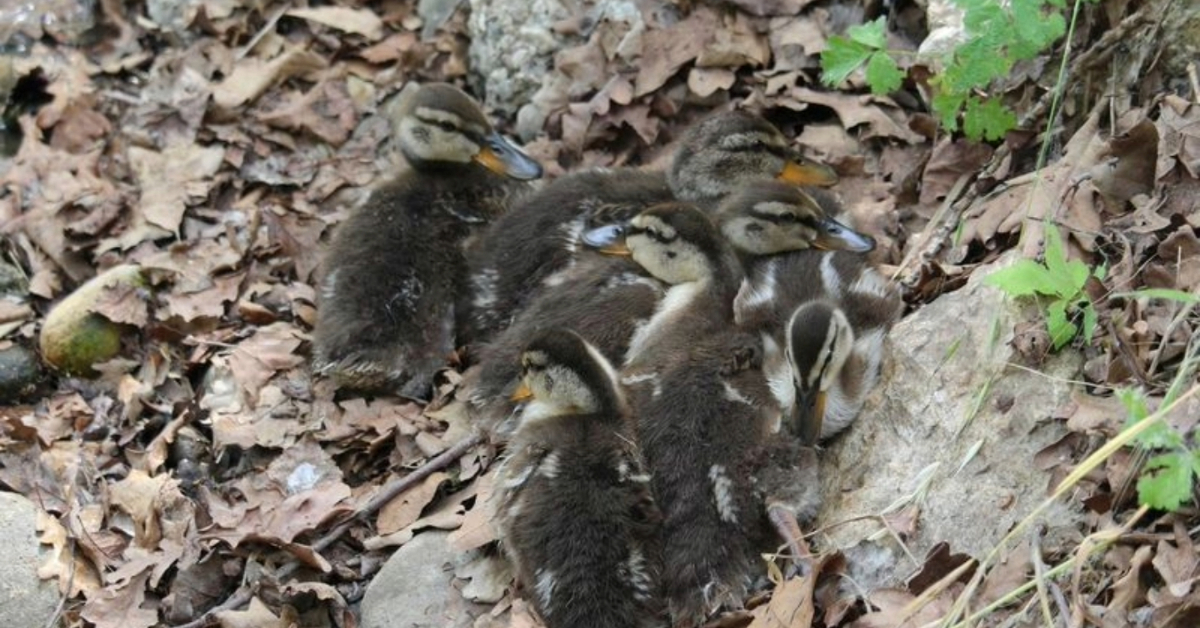
Exposure 1/125sec @ f/5 | ISO 320 | Focal Length 55-250mm
Giulia Avona
Born and raised in Northern Italy, Giulia Avona is a dedicated nature photographer with a deep passion for animal welfare. Her work serves as a powerful medium to advocate for the intelligence and sensitivity of all living creatures, reflecting her personal commitment to a compassionate lifestyle. Based in Montichiari, she explores the intersection of nature and consciousness, using her lens to bridge the gap between human perception and the animal world, ultimately striving to inspire greater respect and awareness for the creatures that share our planet.
Resonance Score Breakdown
Transparency Note: The resonance score (6.7/20) is calculated based on social engagement metrics collected before the award announcement.
Expert Photography Reviews · 6
The Architecture of the Hidden
We often mistake visibility for existence. In our modern urban centers, we design spaces that demand to be seen—monuments of glass, wide boulevards, and illuminated facades that broadcast power and order.
Read the reflection →The Art of Staying Still
I remember sitting on a wooden bench in a park in Kyoto, watching a small bird settle into the dry leaves beneath a maple tree. It didn't move for twenty minutes. It wasn't sleeping; it was simply choosing to be part of the landscape rather than an interruption to it.
Read the reflection →Reviews & Comments
Share your thoughts about this award-winning photograph. Your reviews contribute to the community engagement score.
At f/5, the focal plane is razor-thin, isolating the ducklings from the Mincio’s chaotic reeds. The lens resolves the downy texture with surprising fidelity, though I’d have preferred a tighter aperture to mitigate the slight diffraction softening the periphery. Still, the way the light catches those tiny, hidden eyes is breathtaking. It’s a quiet, optical triumph; I’ve spent minutes just tracing the chaotic bokeh of the water, and honestly, it’s deeply moving to see them so perfectly concealed.
We look at these ducklings huddled by the Mincio and we see more than survival. We see a silent, collective breath held in the reeds. Giulia Avona didn’t just point a lens; she waited until the world trusted her enough to reveal its vulnerability. It’s a quiet, aching portrait of childhood waiting for a return. I find myself holding my own breath, hoping their mother arrives soon. It’s a photograph that asks to be returned to.
The frame’s geometry relies on the chaotic texture of the reeds to anchor the subjects. It’s a precarious balance. The ducklings provide a necessary fulcrum, breaking the vertical monotony of the Mincio’s bank. I’m genuinely unsettled by how the negative space threatens to swallow them whole. It’s a rigid, unforgiving architecture. The composition doesn’t offer comfort; it demands total visual surrender to the camouflage. It’s a cold, precise victory of form over sentiment.
Nature isn’t merely hiding here; it’s mourning. Avona’s ducklings exist in a liminal space where the reeds bleed into the water, blurring the boundary between life and the void. I’ve stared at these shadows for an hour, and it’s unsettling how they refuse to yield. It’s not just camouflage; it’s a desperate pact with the dark. When I look at them, I feel a sudden, cold ache for the mother who hasn’t returned yet.
The palette here evokes Morandi’s muted stillness, where the ducklings’ downy feathers dissolve into the river’s silt-heavy ochre and the bruised, mossy greens of the Mincio. It’s a chromatic whisper, a delicate suspension of light that makes my heart ache with its fragile, quiet honesty. One finds the tonal transitions so seamless, so liquid, that the subjects don’t merely inhabit the frame; they’ve become the very sediment of the water, a soft, living camouflage.
Why do we insist on framing nature as a passive, waiting room for human observation? These ducklings aren’t hiding for our benefit; they’re surviving. I’m struck by how the Mincio River’s reeds turn into a cage here. Does the camera’s reach—that 250mm lens—strip away their agency? It’s a technically precise shot, sure, but it feels like an intrusion. Are we documenting biodiversity, or are we just consuming the vulnerability of creatures that don’t know we’re watching?