Skiing by Giulia Avona
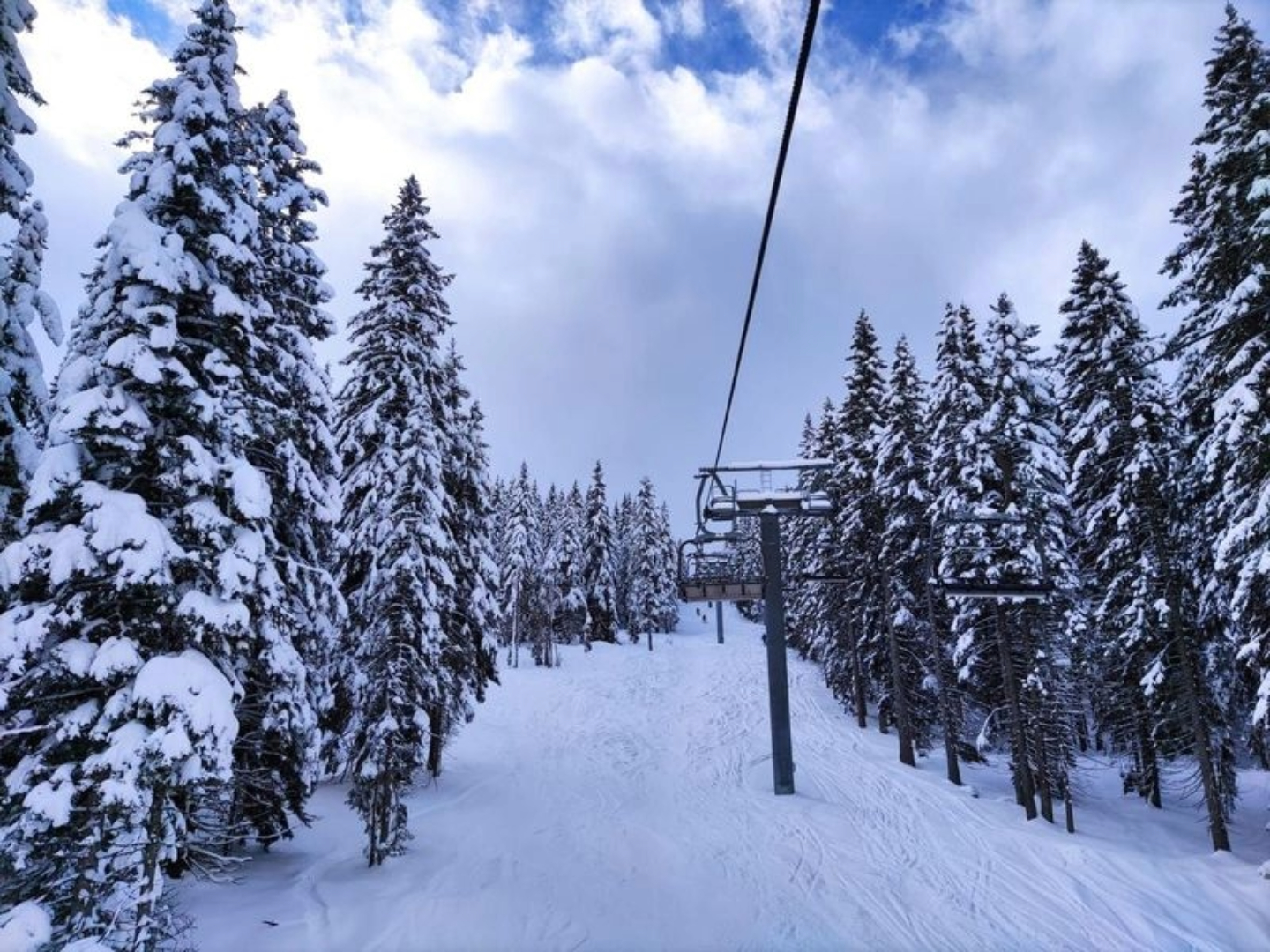
Captured during a rare and cherished encounter with heavy snowfall, this image reflects the photographer's profound awe for the transformative power of winter. The composition highlights the stark, serene beauty of trees blanketed in white, a sight that evokes a deep sense of joy and speechlessness. By focusing on the quiet majesty of the environment, the photographer successfully conveys the fleeting nature of such pristine conditions. This photograph is award-worthy for its ability to distill a complex, emotional landscape into a simple, evocative visual narrative that celebrates the purity of the natural world.
Giulia Avona
Born and raised in Northern Italy, Giulia Avona is a dedicated nature photographer with a deep-seated passion for animal welfare and environmental consciousness. Her work serves as a visual advocacy for the intelligence and sensitivity of the animal kingdom, aiming to inspire greater empathy through her lens. Currently based in Montichiari, she balances her professional pursuits with a commitment to vegetarianism, using her photography to spread awareness about the intrinsic value of all living creatures.
Resonance Score Breakdown
Transparency Note: The resonance score (6.8/20) is calculated based on social engagement metrics collected before the award announcement.
Expert Photography Reviews · 8
The Silence of the Margin
We often mistake the absence of human activity for the absence of human influence. When a landscape is suddenly erased by a heavy, uniform blanket of white, we tend to romanticize it as a return to a wild, untouched state.
Read the reflection →The Silence of White
It is 3:14 am. The world outside is held in a suspension that feels like a held breath. There is a specific weight to the dark when you are awake while everyone else is dreaming, a heavy, velvet stillness that demands you stop lying to yourself.
Read the reflection →Reviews & Comments
Share your thoughts about this award-winning photograph. Your reviews contribute to the community engagement score.
The skier’s weight is trapped in the transition, caught between the turn and the release. It’s a half-second too late. The kinetic energy has already bled out into the snow, leaving the body static rather than explosive. I’ve spent my life chasing that singular, breathless instant of maximum extension, and this isn’t it. It’s a pretty scene, sure, but it lacks the visceral snap of a true peak moment. I wanted to feel the speed. I didn’t.
Most winter landscapes are just white noise, but Avona’s work avoids the trap of mere documentation. Of the thousands I’ve reviewed, few capture that specific, suffocating silence of heavy snowfall so accurately. The way the trees bow under the weight creates a rhythmic tension that feels almost human. It’s a quiet, fragile ache I haven’t felt in years. It’s not just a pretty scene; it’s a record of a vanishing stillness that will matter decades from now.
We look at these trees and we don’t see mere nature; we see a portrait of silence. Giulia Avona has listened to the snow, and it’s told her a story of stillness that feels almost human. I’ve stood in such quiet before, and it’s a heavy, beautiful weight on the chest. It’s a portrait of a landscape that has finally stopped talking, waiting for us to catch our breath. This is a photograph that asks to be returned to.
It’s a symphony of silence, where the white isn’t merely the absence of pigment, but a layered, chalky luminosity reminiscent of Morandi’s still lifes, cooling the eye against the charcoal shadows of the pines. I’m breathless before these hushed, glacial tones; they’ve captured that fleeting, brittle light that doesn’t just illuminate the snow, but seems to exhale it, turning the Italian winter into a monochromatic meditation on the fragility of our own fleeting, frozen joy.
The silence here is deafening. It’s a wide shot that refuses to cut, holding the heavy, suffocating weight of fresh powder against the dark, skeletal reach of the trees. I’ve spent hours in editing suites chasing this exact stillness. It’s the frame the editor keeps because it breathes. I honestly felt my own pulse slow down just looking at it. It’s a perfect, frozen tracking shot of a winter that’s already beginning to melt away.
It’s a quiet, cold frame, but I’m left wondering about the human footprint left behind. When I look at these pristine, snow-laden branches in Montichiari, I don’t just see beauty; I see a landscape that demands stillness. Did the photographer trample the undergrowth to get this angle, or did they wait patiently on the path? I’ve spent enough freezing mornings in the woods to know that true reverence doesn’t leave a trail. It’s earned, not taken.
Snow-laden boughs often lean toward the pictorialist softness of Puyo, yet here, the stark, high-contrast geometry pulls me back to the rigorous clarity of Minor White. It’s a quiet, rhythmic study of light that avoids the usual winter clichés. I’ve spent decades cataloging these white-on-white landscapes, but the way these branches slice through the frame genuinely stopped me in my tracks. It’s a refreshing, disciplined departure from the sentimental, finding a new, sharp silence.
Snow in Montichiari is a ghost. It arrives, it transforms, it vanishes. Giulia caught the silence of those white-draped trees, but I’m looking for the pulse. Where’s the human friction? Cartier-Bresson would’ve waited for a stray dog or a shivering passerby to break that pristine stillness. It’s beautiful, sure, but it’s too polite. I want the street to bite back. One tenth of a second later and the light shifts, but here, the moment feels static.