Forever Entwined by Madush Abeyratne
Captured during a vibrant wedding celebration in Sri Lanka, this image beautifully encapsulates the fusion of Arabic and Sri Lankan cultures. The photograph features the bride and groom arriving in a traditional tuk-tuk, their hands clasped as they observe their families uniting in a joyous, cross-cultural display of music and dance. The photographer masterfully documents this intimate moment of connection amidst the lively festivities. This image is award-worthy for its authentic storytelling and the poignant way it highlights the universal language of love and family, set against the unique, colorful backdrop of a multicultural wedding.
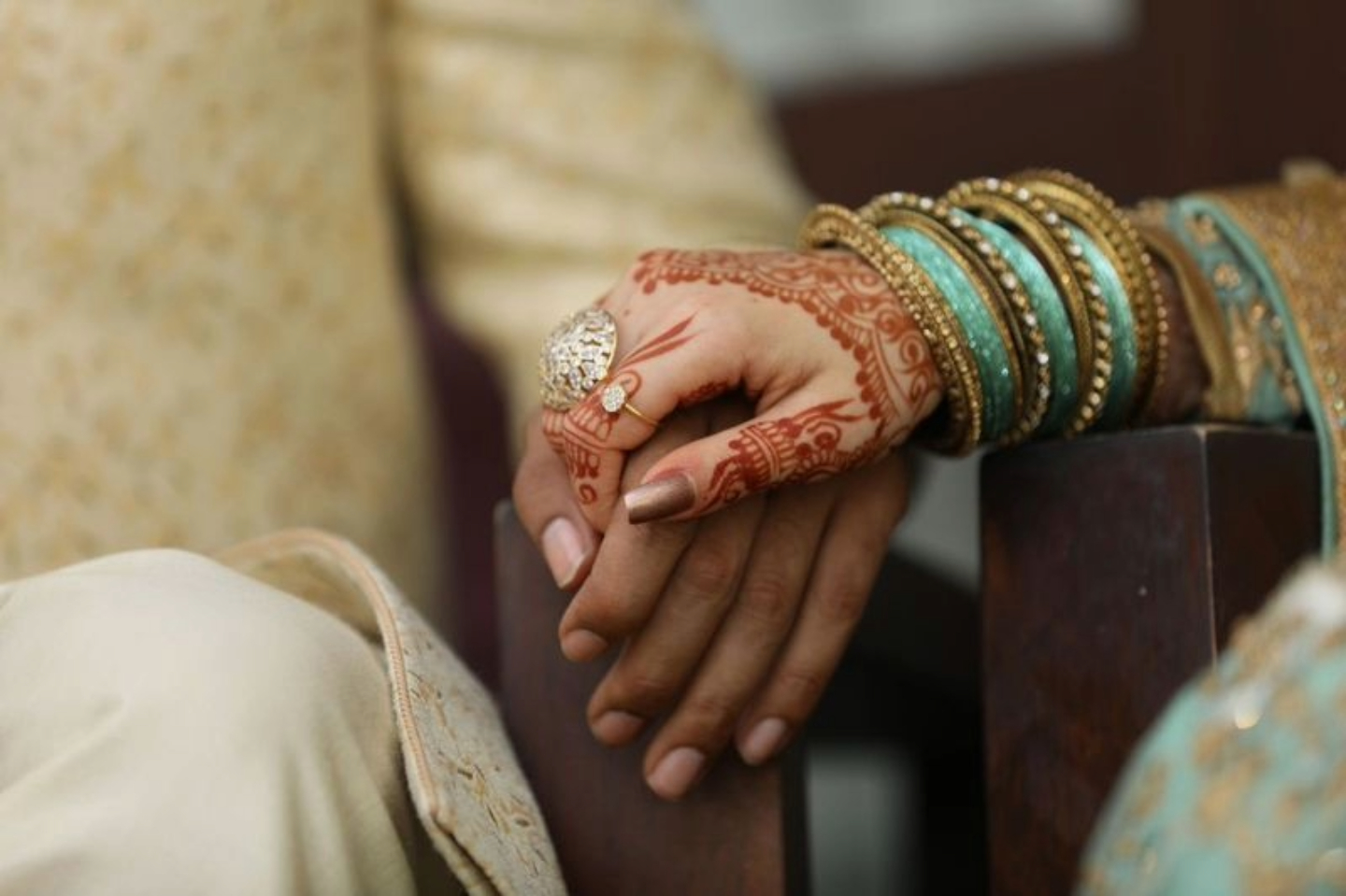
Exposure 1/160sec @ f/2.8 | ISO 200 | Focal Length 200mm
Madush Abeyratne
Born and raised in Sri Lanka with higher education in Bangalore, Madush Abeyratne launched his professional photography career while living as an expatriate in Dubai. What began as a personal passion evolved into a thriving business spanning the UAE and Sri Lanka. Now based in Kuala Lumpur, Malaysia, he has established himself as a highly regarded photographer, cinematographer, and editor, captivating audiences across the region with his evocative visual storytelling and technical expertise.
Resonance Score Breakdown
Transparency Note: The resonance score (6.9/20) is calculated based on social engagement metrics collected before the award announcement.
Expert Photography Reviews · 6
The Architecture of Union
Seneca once observed that no one can live happily who has regard to himself alone and transforms everything into a question of his own utility.
Read the reflection →The Architecture of a Promise
I often find myself lingering near the transit hubs of the city, watching the way people hold onto one another before the doors close. There is a particular gravity to the way two hands lock together in a crowd—a silent, urgent pact made against the noise of the world.
Read the reflection →Reviews & Comments
Share your thoughts about this award-winning photograph. Your reviews contribute to the community engagement score.
The tuk-tuk’s frame creates a claustrophobic, cinematic intimacy reminiscent of Robert Frank’s transit studies, yet the vibrant saturation pulls it toward the lush color palettes of Steve McCurry. It’s a delicate balance. I’ve spent decades watching wedding photography collapse into cliché, but the way their hands anchor the frame against the chaotic, blurred cultural fusion outside is genuinely moving. It’s a rare, quiet intersection of tradition and modernity that actually makes me catch my breath.
Before the eye identifies the tuk-tuk, a sudden stillness settles in the chest. It’s the quietude of a sanctuary found in motion. Their clasped hands anchor the frame, grounding the chaotic joy outside. I’ve felt that specific, desperate grip before—the need to hold steady while the world spins. Returning to this a year later, I don’t see a wedding; I see two people choosing their own gravity. It’s a beautiful, fragile tether against the noise.
A tuk-tuk isn’t just a prop; it’s a site of transit. Why place the couple inside this specific vehicle while their families perform outside? It feels like a staged separation, a curated distance between the couple and the culture they’re supposedly joining. I’m unsettled by how the frame treats the dancers as mere background texture. Does the couple’s gaze actually connect with the celebration, or are they just posing for the lens? It’s a pretty picture, but whose narrative wins?
There’s a quiet sanctuary inside that tuk-tuk. While the world outside swirls with the chaos of a cross-cultural celebration, their clasped hands tell me they’ve retreated into their own private orbit. It’s a rare, honest stillness. I find myself moved by the way they aren’t performing for the lens; they’re simply holding on to each other. This face has a whole life in it, anchored by the simple, steady weight of a partner’s touch.
The frame holds. A 200mm compression flattens the chaos of the celebration into a tight, intimate stage. Inside the tuk-tuk, the couple’s clasped hands are the anchor; they’re the only still point in a spinning world. I’ve seen a thousand wedding shots, but this one catches the exact beat before the scene cuts to black. It’s a quiet, breathless exhale amidst the noise. The editor keeps this shot because it’s where the story actually lives.
The tuk-tuk’s frame creates a rigid, geometric cage that constrains the subjects. It’s a necessary anchor. Without this metal perimeter, the chaotic background would bleed into the foreground, destroying the spatial tension. The clasped hands provide a central fulcrum, balancing the visual weight against the blur of the periphery. It’s rare to see such discipline in wedding reportage. I’m genuinely surprised by how effectively the structure survives the sentiment. The frame holds, barely.