The Gathering Ground by Tetsuhiro Umemura
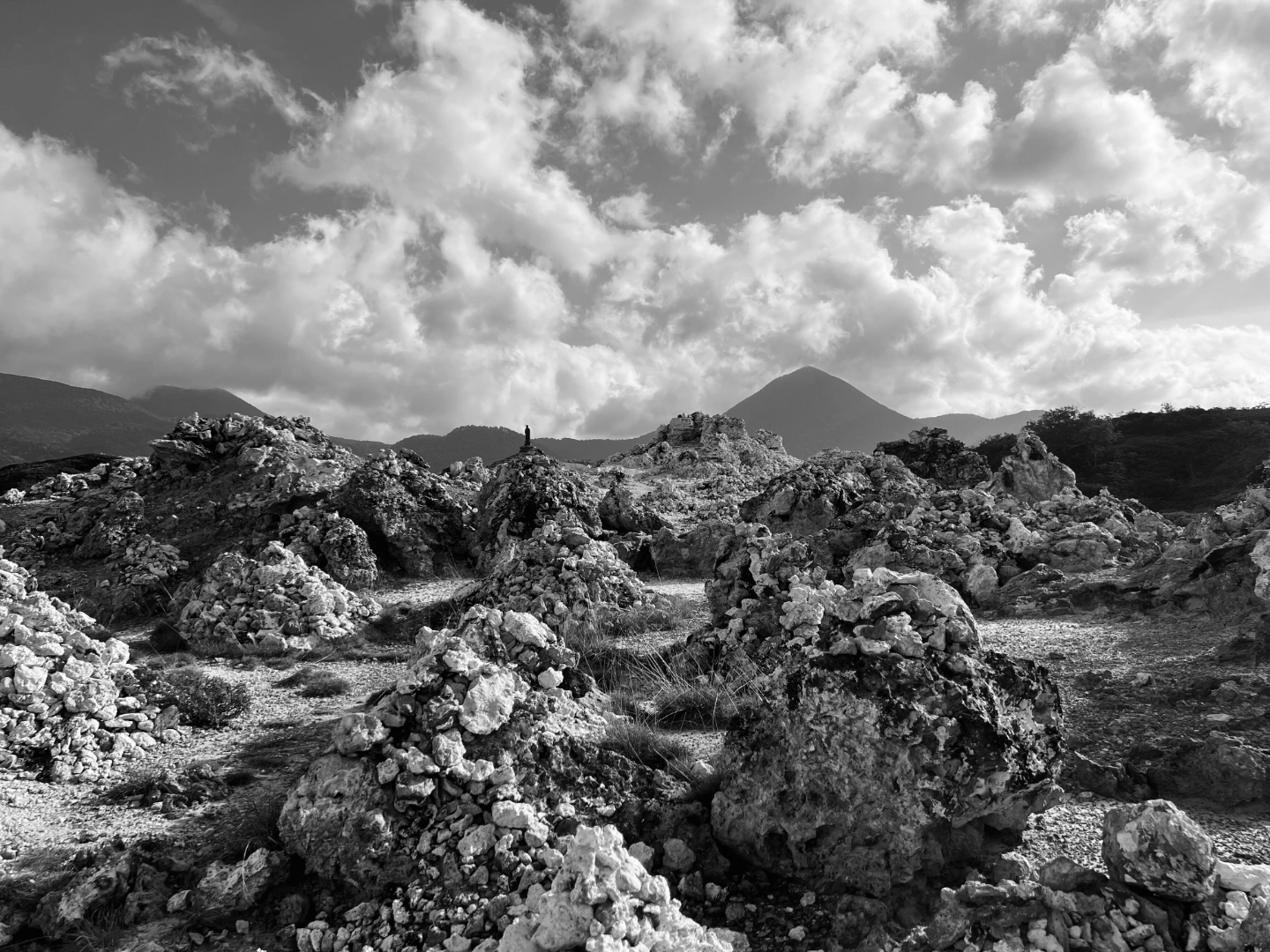
Captured at the ethereal Mount Osore, a site steeped in folklore as a gathering place for the departed, this photograph reflects the photographer's deliberate choice to prioritize equipment safety over traditional gear. Due to the region's intense sulfur concentration, which can corrode delicate machinery, the photographer opted for an iPhone 13 Pro to document the stark, snowy landscape. The resulting image captures the haunting, desolate beauty of this inaccessible terrain during the warmer months. It is an award-worthy testament to the photographer's adaptability, demonstrating that a compelling narrative and a keen eye for atmosphere are far more significant than the camera used to capture them.
Tetsuhiro Umemura
Born in Tokyo in 1960, Tetsuhiro Umemura brings a wealth of experience from his distinguished career as a TV director at TV Asahi Co., Ltd. His background in video production informs his photographic approach, allowing him to blend technical precision with a unique visual narrative. Dedicated to showcasing the hidden beauty of Japan, Umemura focuses his lens on both emerging musical talent and the country's lesser-known landscapes. He frequently shares his expertise as a lecturer, bridging the gap between media technology and artistic expression to reveal the vibrant treasures of his homeland to an international audience.
Resonance Score Breakdown
Transparency Note: The resonance score (6.5/20) is calculated based on social engagement metrics collected before the award announcement.
Expert Photography Reviews · 5
Echoes in the Ash
I keep a small, smooth stone in my pocket, pulled from a riverbed that no longer exists. It is cool and heavy, a silent witness to a geography that has shifted under the weight of time.
Read the reflection →Where the Echoes Rest
I spent this morning trying to organize the bookshelf in the hallway. It is a messy, dusty task that I usually avoid, but today I found an old postcard tucked inside a book I haven't opened in years. The handwriting was faint, and the person who sent it is no longer in my life.
Read the reflection →Reviews & Comments
Share your thoughts about this award-winning photograph. Your reviews contribute to the community engagement score.
Mount Osore’s sulfurous desolation demands a starkness reminiscent of Bill Brandt’s stark, high-contrast landscapes. Using an iPhone 13 Pro here isn’t just pragmatic; it’s a subversion of the heavy, mechanical tradition that’s defined landscape photography since the calotype. The tonal compression in these snowy drifts feels genuinely unsettling—I haven’t seen such a haunting, spectral quality in years. It’s a brave, stripped-back dialogue with the void, proving that the camera’s pedigree matters far less than the photographer’s vision.
The silence here is deafening. It’s a wide shot that refuses to cut, holding the desolate, sulfur-stained snow like a breath caught in the throat. I’ve seen a thousand landscapes, but this one feels like the final frame of a ghost story. Umemura didn’t need a cinema camera to capture this haunting rhythm. He understood the weight of the void. It’s cold, it’s stark, and honestly, it makes me want to turn back before the light dies.
At Mount Osore, the sulfur hangs heavy, a veil between worlds. We look at this desolate, snowy expanse and we aren’t just seeing a landscape; we’re meeting the spirits of the departed. Umemura didn’t need a heavy lens to hear them. He listened to the silence of the earth, and it’s haunting. I’ve felt that chill in my own bones. It’s a portrait of a place that’s waiting for us to finally arrive.
Mount Osore’s sulfur air doesn’t care about your Leica. Umemura gets it. He’s out there with an iPhone, capturing that desolate, ghostly stillness. It’s haunting. I feel the cold just looking at those jagged, barren rocks. Did he nail the timing? Absolutely. One tenth of a second later and the atmosphere shifts, the tension evaporates. He caught the void before it closed. That’s the decisive moment, stripped of gear and ego. Pure, raw, and absolutely right.
Mount Osore isn’t merely a landscape; it’s a threshold where the sulfurous air eats metal, forcing the artist to confront the void with a mere phone. The shadows here don’t hide; they interrogate the snow, carving out a silence so profound it’s unsettling. I’ve felt that cold ache in my own chest, that sudden realization that we’re all just ghosts waiting for the light to fail. It’s a brutal, necessary reckoning with our own impermanence.