GN Power by Prathees Surean
Captured at 7:30 pm in the serene landscape of Alasasin, this long-exposure photograph showcases the quiet power of the natural environment after dusk. By utilizing a deliberate 105.9-second exposure, the photographer transformed the scene into a smooth, ethereal composition that emphasizes the stillness of the night. This image stands out for its technical precision in low-light conditions and the photographer's ability to find beauty in the subtle interplay of light and shadow. It is a compelling example of night landscape photography, demonstrating a sophisticated eye for composition and a patient approach to capturing the world in the dark.
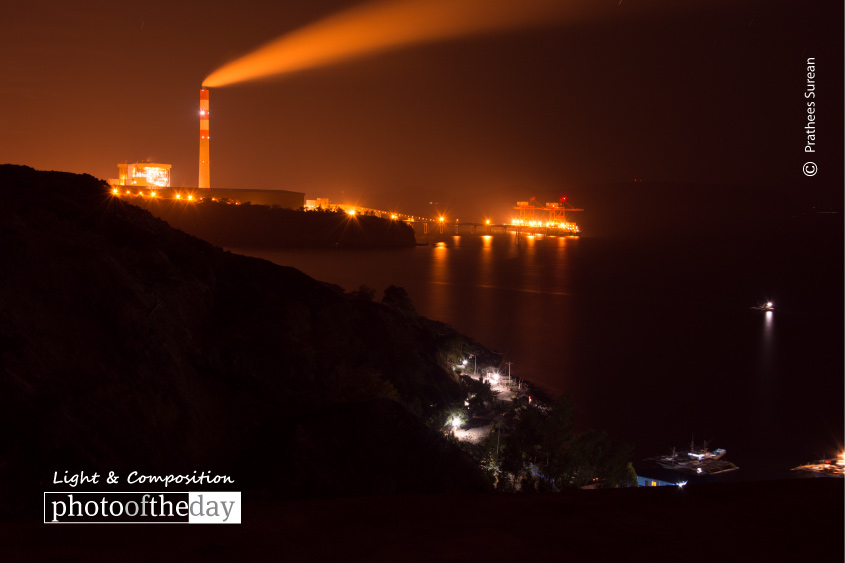
Exposure 105.9sec @ f/7.1 | ISO 200 | Focal Length 32mm
Prathees Surean
Born in Sri Lanka in 1993, Prathees Surean is an emerging photographer currently based in Mariveles, Philippines. He specializes in night landscapes and long-exposure nature photography, consistently seeking to capture the quiet majesty of the outdoors after sunset. Utilizing his Nikon equipment to document the world around him, Surean continues to refine his craft and share his evolving perspective through his dedicated photography platform, Nature is Beautiful.
Resonance Score Breakdown
Transparency Note: The resonance score (12.4/20) is calculated based on social engagement metrics collected before the award announcement.
Expert Photography Reviews · 4
The Architecture of Silence
We often mistake the dark for an absence, a hollow space where the world simply ceases to be. But the night is not a void; it is a heavy, velvet curtain that pulls the edges of the horizon closer, forcing us to listen to the hum of things that remain awake.
Read the reflection →The Quiet After the Noise
I spent most of this morning trying to fix a leaky faucet in the kitchen. The constant dripping was driving me mad, a rhythmic tapping that felt like a countdown to nothing. I kept turning the wrench, frustrated by the stubborn metal, until I finally just stopped.
Read the reflection →Reviews & Comments
Share your thoughts about this award-winning photograph. Your reviews contribute to the community engagement score.
The air in Sisiman must have been heavy with salt when he stood there for those hundred seconds. It’s a quiet, velvet darkness that doesn’t just record the coast; it listens to the tide’s slow retreat. I find myself holding my breath, feeling that same cooling stillness against my skin. He didn’t force the light; he let the night reveal its own ethereal rhythm. It’s a rare, patient grace that I truly envy.
Before the eye identifies the jagged rocks of Sisiman, something in the chest softens. The long exposure turns the tide into a velvet void, pulling my own pulse down to match its rhythm. It’s a strange, heavy stillness that makes me feel small, almost untethered. When I return to this, I’m still chasing that specific, cool silence. It’s the kind of dark that doesn’t threaten; it just waits for you to finally stop moving.
The long exposure flattens the Sisiman coastline into a singular, monochromatic plane. It’s a rigid exercise in spatial tension. The horizon line acts as a fulcrum, balancing the heavy, blurred foreground against the static, dark sky. It doesn’t rely on sentiment; it relies on the geometry of the frame. I’ve grown tired of soft landscapes, but the structural discipline here is undeniable. The composition holds its weight. It’s a cold, precise architecture of light.
105.9 seconds at f/7.1, ISO 200, 32mm. The math is sound. A long exposure flattens the water into a static plane, which is exactly what this industrial landscape requires. It’s a clinical choice that strips away the chaos of the tide. I’ve spent years looking at these long-exposure attempts, and frankly, most are sloppy. This one isn’t. The sharpness holds. It’s a cold, precise execution that finally makes the night feel quiet.