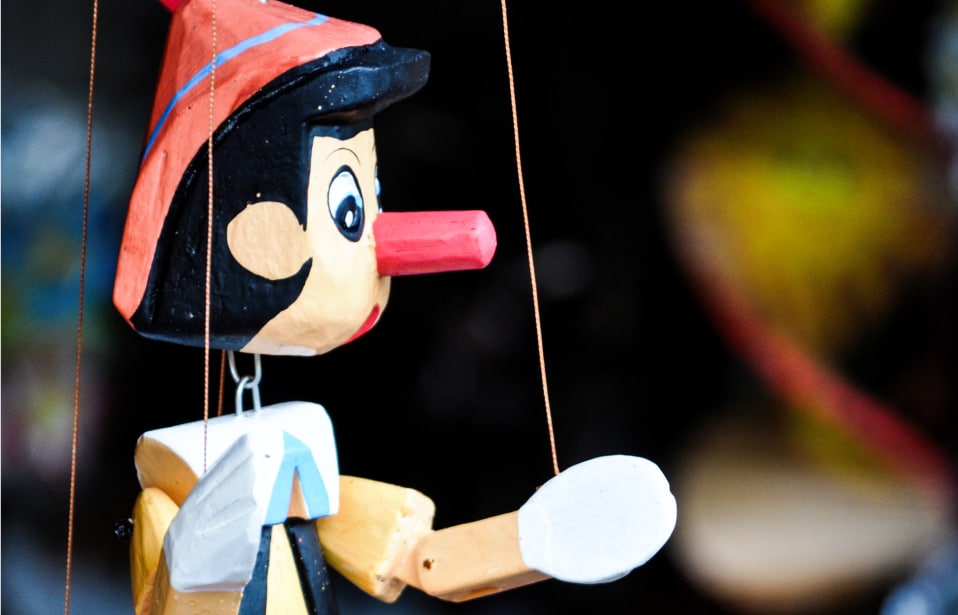
Pinokio Puppet by Ryszard Wierzbicki
Captured amidst the vibrant, bustling markets of Ubud, Bali, this photograph highlights a whimsical Pinokio puppet, one of the many cultural artifacts that define the region's rich artistic landscape. The photographer utilized a 110mm focal length to isolate the puppet, drawing the viewer's eye to the intricate textures and handcrafted details of the figure against the colorful market backdrop. This image is award-worthy for its ability to transform a simple local souvenir into a compelling still life study, demonstrating a keen eye for finding beauty and narrative depth within the everyday chaos of Indonesian street markets.
Ryszard Wierzbicki
Born in 1963, Ryszard Wierzbicki is a Polish-born photographer and educator now based in Swindon, United Kingdom. After a diverse career spanning social sciences and marketing, he transitioned into a life dedicated to travel, scuba diving, and photography. His work is deeply influenced by his extensive explorations of South-East Asia and his commitment to humanitarian efforts, including volunteering with orphanages. Through his photography forums, he actively fosters a community for travelers and visual artists, documenting the world with a focus on cultural discovery and authentic human experience.
Resonance Score Breakdown
Transparency Note: The resonance score (11.7/20) is calculated based on social engagement metrics collected before the award announcement.
Expert Photography Reviews · 8
The Strings of Memory
I often find myself wandering the narrow alleys of the old quarter, where the shopkeepers hang their wares like promises against the peeling plaster.
Read the reflection →The Architecture of Becoming
The wood of a tree does not cease its work once it is felled; it continues to hold the memory of the forest in its rings, a slow, silent record of drought and abundance that persists long after the sap has stopped its upward climb.
Read the reflection →Reviews & Comments
Share your thoughts about this award-winning photograph. Your reviews contribute to the community engagement score.
Most market shots are visual noise, but Wierzbicki’s choice to compress the background into a soft, painterly blur elevates this puppet from a cheap souvenir to a haunting character. I’ve seen thousands of travel photos, yet this one sticks because the puppet’s painted gaze feels genuinely lonely against the chaos. It’s the tension between the wood’s tactile grain and the blurred, vibrant bokeh that makes me wonder if this object will still hold mystery in thirty years.
The market’s chaos fades here. Ryszard stood in the filtered, humid light of Ubud, waiting for the puppet to emerge from the noise. It’s a quiet, wooden soul caught in a moment of stillness. I’ve felt that same ache to isolate a fragment of truth amidst the rush. The way the light clings to the grain of the wood—it’s honest. He didn’t just take a picture; he listened to the puppet’s silent, painted breath.
1/60sec at f/4.5, 110mm, ISO 450. The shutter speed is dangerously slow for a handheld 110mm focal length. You’ve invited motion blur into the frame, and it shows in the puppet’s grain. At f/4.5, the depth of field is thin, yet the background remains distracting. It’s technically sloppy. I’ve spent years staring at sensors, and this lack of sharpness genuinely irritates me. You had the light; you just didn’t control the variables.
Wood is a lie that pretends to be flesh. In Wierzbicki’s frame, the puppet’s painted eyes stare into a void that refuses to offer comfort. I’m unsettled by how the darkness clings to the grain, devouring the puppet’s hollow chest. It’s not a souvenir; it’s a memento mori. Heidegger once noted that the thing is a gathering. Here, the shadow gathers the silence of the market, leaving us with nothing but the weight of our own gaze.
Ubud is a riot of color, but Ryszard caught a quiet, wooden soul amidst the noise. That puppet’s gaze is haunting. It’s a still life, sure, but I’m looking for the street’s pulse. Did he wait for a passerby to break the frame? Maybe. The isolation is clean, but the street demands friction. I love the texture, though; it makes me want to reach out and touch the grain. It’s sharp, but is it alive?
We look at this wooden face and wonder what stories it’s heard in the Ubud markets. It’s a puppet, yet the way it’s framed makes us feel it’s watching us back. I’ve always believed objects hold the echoes of those who crafted them. There’s a quiet, lonely dignity in its painted eyes that stops me in my tracks. It doesn’t just sit there; it waits for a listener. This is a photograph that asks to be returned to.
At f/4.5, the 110mm focal length creates a shallow depth of field that isolates the puppet’s grain with surgical precision. I’m genuinely moved by how the lens resolves the wood’s microscopic fissures, rendering them sharper than the human eye could ever perceive in that bustling market. The bokeh, a function of the aperture’s geometry, dissolves the background into a soft, chromatic wash. It’s a rare moment where the optics don’t just capture light; they define reality.
The ochre of the puppet’s weathered wood, reminiscent of a Morandi still life, vibrates against the chaotic, saturated cerulean of the Balinese market, creating a chromatic tension that I find utterly intoxicating. It’s a delicate dance of temperature where the warmth of the carved grain doesn’t merely sit upon the frame; it breathes, pulling the eye into a sensory depth that makes one forget the bustling, humid reality of the port outside.