The Painted Earth by Shahnaz Parvin
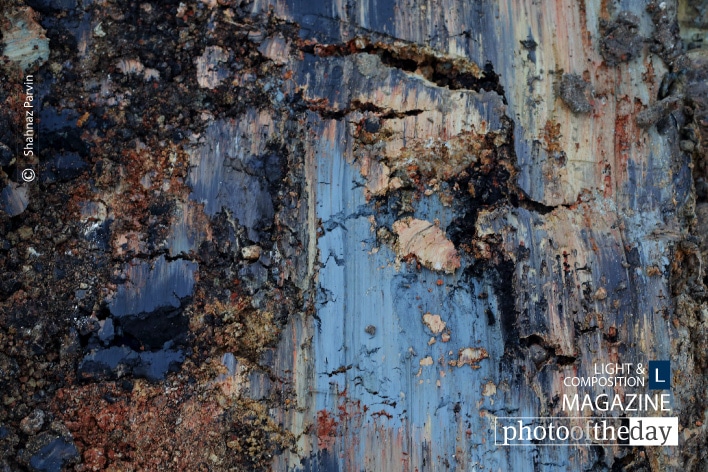
While exploring the residential landscapes of Bashundhara Baridhara in search of white Kash flowers, the photographer encountered an unexpected scene of industrial transformation. Drawn to the rhythmic patterns left by a tractor leveling the earth, she discovered a striking soil formation that resembled a vibrant, abstract painting. By focusing on the intricate textures and diverse color palette of the disturbed ground, the photographer captured a moment of accidental artistry amidst ongoing construction. This image is award-worthy for its ability to elevate a mundane construction site into a compelling, painterly composition, showcasing the beauty hidden within the raw, evolving landscape of urban development.
Shahnaz Parvin
Based in Dhaka, Bangladesh, Shahnaz Parvin is an accomplished photojournalist dedicated to documenting the rich culture, people, and landscapes of her home country. Balancing a professional career in systems administration with her deep-seated passion for photography, she has become a prominent voice in the field, particularly noted for her extensive portfolio of documentary work. As a frequent recipient of international accolades and the current Media Head for Asia at Light and Composition, Parvin continues to refine her craft, using her lens to bridge the gap between local realities and a global audience.
Resonance Score Breakdown
Transparency Note: The resonance score (12.9/20) is calculated based on social engagement metrics collected before the award announcement.
Expert Photography Reviews · 5
The Earth’s Quiet Script
There is a language written beneath our feet, one that speaks only when we stop to look closely at the ground. We often walk past the soil, seeing it as merely a surface to traverse, yet it holds the memory of every movement, every shift, and every season.
Read the reflection →Patterns in the Dust
I spent this morning trying to organize my bookshelf, pulling out volumes I haven't touched in years. I found a pressed leaf inside a book of poetry, its veins still visible, though the color had long since faded to a brittle brown.
Read the reflection →Reviews & Comments
Share your thoughts about this award-winning photograph. Your reviews contribute to the community engagement score.
The tractor’s tracks carve rhythm into the dust. It’s a violent geometry, yet I feel a sudden, strange stillness. The earth isn’t just dirt; it’s a map of absence. I’ve spent hours looking at these furrows. They don’t demand attention. They invite it. Nothing here is accidental. The empty corner is not empty. It’s a breath held in the heat of Dhaka. I find myself wanting to step into the frame, just to be quiet.
It’s a curious thing, finding art in a construction site. Most would walk past these tractor ruts without a second glance, but Parvin stopped. I’ve spent enough hours in the mud to know that light at f/4.5 doesn’t just happen; it’s hunted. She’s turned raw, disturbed earth into something remarkably painterly. It’s a sharp eye that finds order in such chaos. I’ll admit, it’s a rare pleasure to see the mundane treated with such genuine, quiet respect.
The ochre of sun-baked clay, bruised by the violet shadows of a tractor’s wake, creates a chromatic tension that reminds one of Morandi’s dust-choked still lifes, yet it’s far more visceral. I’m breathless at how these raw, terracotta striations bleed into the pale, chalky silt of Dhaka. It doesn’t merely depict earth; it’s a symphony of mineral heat, where the palette’s dissonance feels like a sudden, beautiful ache in the chest. It’s truly sublime.
The tractor’s violent furrowing doesn’t just displace soil; it unearths a subterranean anxiety. Parvin finds a brutal geometry here, where light clings to the ridges like a desperate afterthought. I’m unsettled by how the shadows swallow the depth, refusing to let the eye rest on the surface. It’s a landscape of erasure, not creation. When I look at these jagged, darkened ruts, I don’t see construction. I see the earth’s own quiet, inevitable resistance to our frantic, fleeting industry.
Before the eye identifies the churned earth, something in the chest tightens. It’s the rhythm of the tractor’s path that triggers a primal, restless activation. I’ve returned to these ochre ridges three times this week, and each time, the soil feels less like construction and more like a scar on the landscape. It’s unsettling. My pulse quickens when I trace those deep, rhythmic furrows; it’s a visceral reminder that we’re always leveling something to build something else.