Inspiration by Kirsten Bruening
Captured on the day the photographer acquired a new 50mm macro lens, this intimate portrait of a faded daisy highlights the delicate textures of a simple garden bloom. The photographer ventured into the garden seeking inspiration, finding beauty in the quiet decay of the flower. Daisies serve as a poignant symbol of childlike innocence, evoking nostalgic memories of long summer days spent weaving floral wreaths in the grass. This image is award-worthy for its technical precision and its ability to transform a humble, everyday subject into a evocative piece of art that resonates with universal themes of childhood and fleeting time.
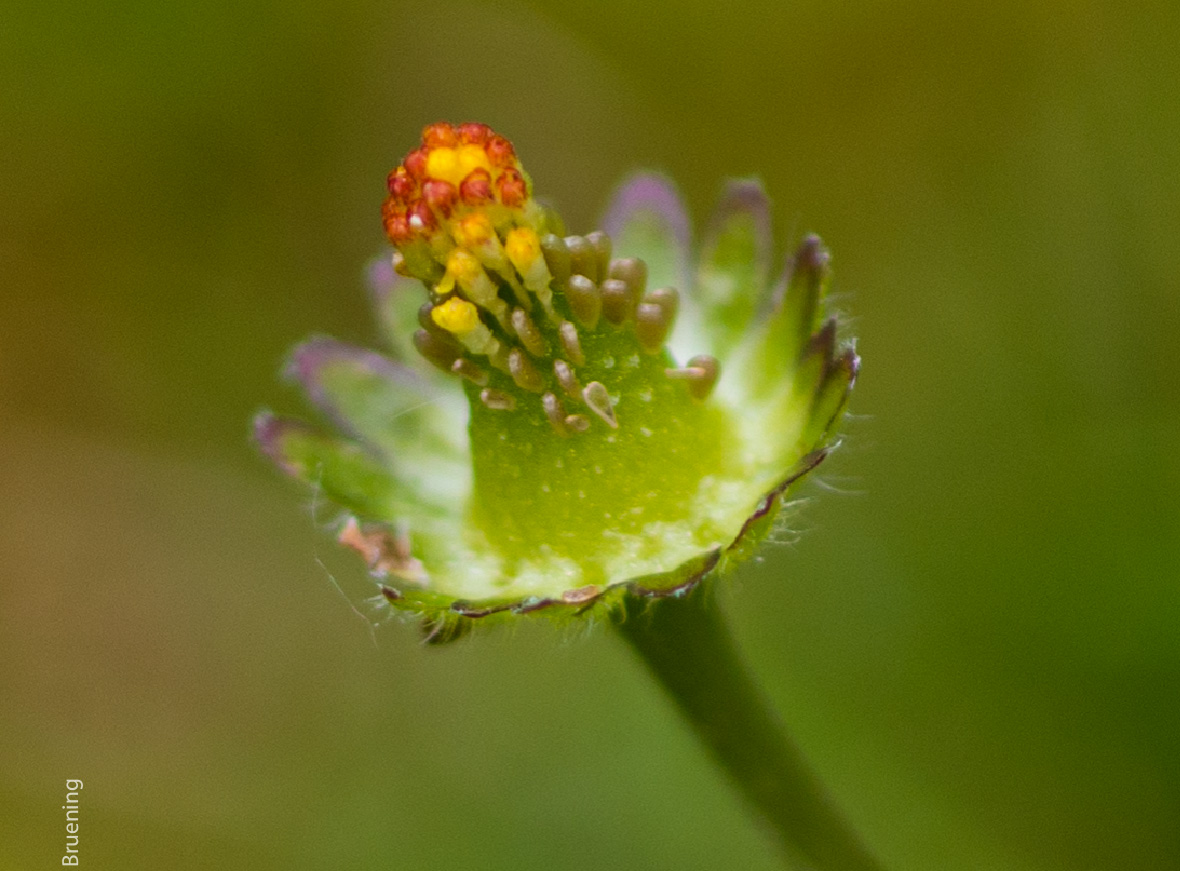
Exposure 1/500sec @ f/2.8 | ISO 100 | Focal Length 50mm
Kirsten Bruening
Based near Cologne, Germany, Kirsten Bruening is a dedicated photographer whose creative journey began in childhood with the exploration of analogue techniques. Following a fifteen-year hiatus, she returned to the craft with a renewed focus on nature, portraiture, and wildlife photography. Bruening is particularly drawn to the expressive power of black and white imagery, where she masterfully utilizes the interplay of light and shadow to convey deep emotion. Currently, she is pursuing further academic studies in photography to refine her technical skills and artistic vision.
Resonance Score Breakdown
Transparency Note: The resonance score (9.6/20) is calculated based on social engagement metrics collected before the award announcement.
Expert Photography Reviews · 5
The Grace of Returning
There is a quiet wisdom in the way a flower bows its head as the season turns. We often look for beauty in the peak of bloom, in the vibrant, upright reach toward the sun, yet there is a deeper, more resonant truth found in the softening of edges.
Read the reflection →The Weight of Petals
I keep a pressed daisy inside a heavy dictionary, its stem brittle as a dry twig and its once-white petals turned to the color of old parchment.
Read the reflection →Reviews & Comments
Share your thoughts about this award-winning photograph. Your reviews contribute to the community engagement score.
It’s refreshing to see such crisp focus on these petals. Down where I usually work, light is a thief; red vanishes in meters, and backscatter from a poorly angled strobe would have turned this delicate decay into a muddy mess. I’m genuinely jealous of how easily Kirsten captured this clarity without fighting the refractive index of water. It’s a beautiful, quiet study of texture that doesn’t need to struggle against the ocean’s heavy, light-stealing depths.
The blurred, verdant garden depth creates a soft, impressionistic stage for this fading daisy. It’s a quiet, melancholic theatre where the decay of petals mirrors the passage of time. I’m genuinely moved by how the out-of-focus greenery anchors the bloom, grounding its fragility in the earth. While the face is absent, the environment provides the narrative. It’s not just a flower; it’s a relic of a summer afternoon, perfectly framed by the world it inhabits.
The daisy’s central disk functions as a perfect geometric anchor, exerting a gravitational pull against the radial vectors of the petals. I’m struck by the Fibonacci-like spiral of the florets; it’s a masterclass in natural symmetry. The 2:3 ratio of sharp focus to the soft, bokeh-blurred periphery creates a satisfying spatial tension. It’s a beautifully solved equation of depth. Honestly, I’ve never seen a simple garden bloom hold such rigorous, calculated balance. It’s quite exhilarating.
Before the eye identifies the daisy, a sudden stillness settles in the chest. It’s the texture of the wilting petals that triggers a phantom ache, a sensory recall of summer heat turning brittle. I’ve felt this specific, quiet grief before—the realization that innocence isn’t lost, just weathered. Returning to it a year later, the decay feels less like an ending and more like a soft, persistent invitation to finally let go of what’s already gone.
1/500sec at f/2.8, 50mm. A standard choice for isolation, yet it’s effective. The shutter speed is overkill for a static subject, but it eliminates any risk of micro-blur. I’ve seen enough soft macro shots to appreciate the sharpness here. It’s clinical, precise, and it doesn’t waste my time with unnecessary bokeh. The depth of field is tight enough to isolate the decay without losing the texture. It’s technically sound. I actually enjoyed looking at it.