Chahar-Bakhtiari Folk by Hadi Navid
Captured in the Chahar-Bakhtiari province of Iran, this poignant portrait features a father on the eve of his son’s wedding. The photographer skillfully utilizes a 50mm focal length to isolate the subject, drawing the viewer into the emotional gravity of a traditional nomadic life defined by seasonal migration. The image serves as a cultural bridge, documenting the intimate anticipation of a family milestone against the backdrop of a storied landscape. Its award-worthy quality lies in the photographer's ability to translate the quiet, dignified resilience of the Bakhtiari people into a timeless visual narrative.
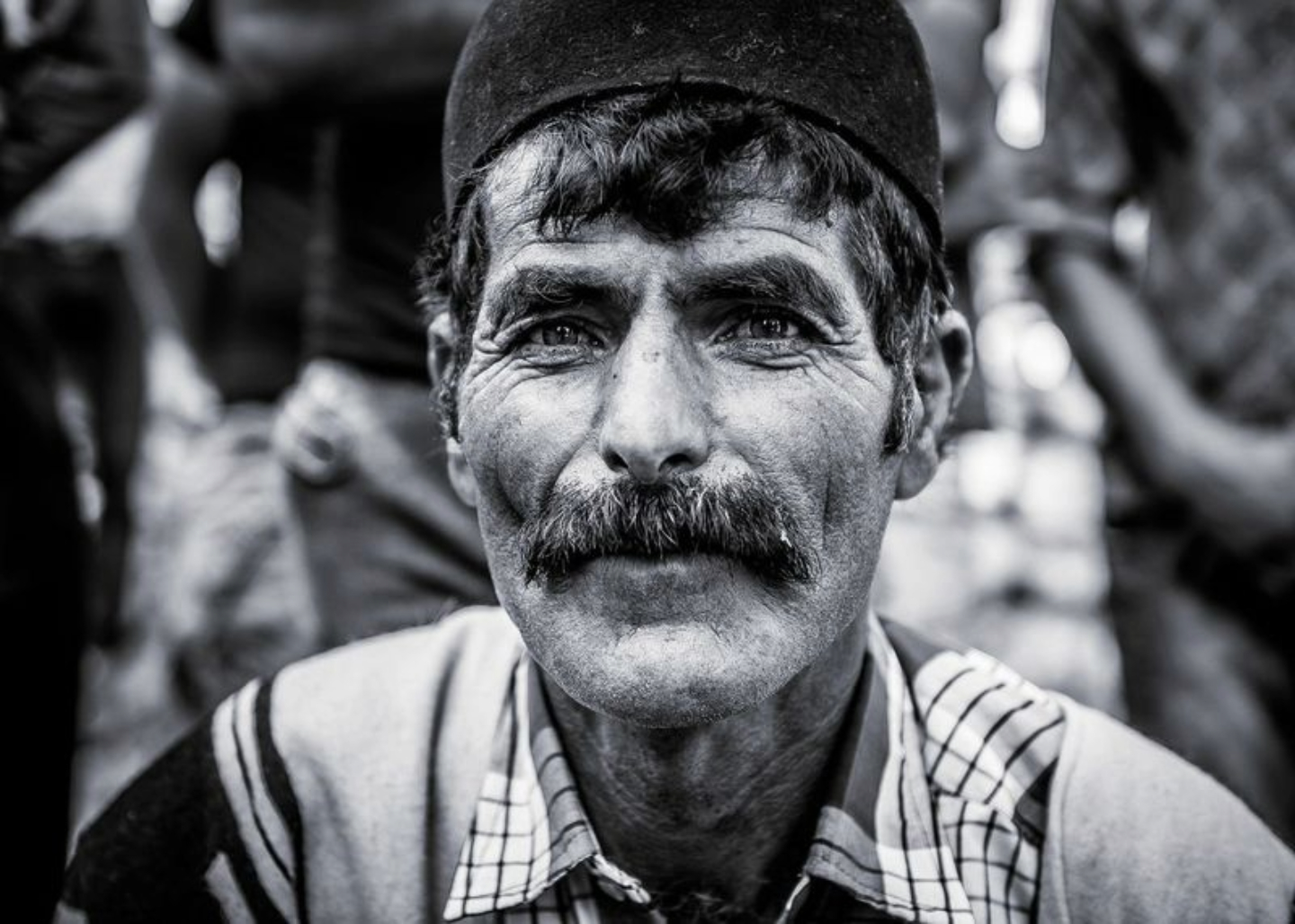
Exposure 1/250sec @ f/2.8 | ISO 200 | Focal Length 50mm
Hadi Navid
Born and raised in Tehran, Iran, Hadi Navid is a self-taught photographer recognized for his evocative storytelling and deep cultural documentation. His extensive portfolio has been showcased in solo and group exhibitions across Iran, Russia, France, Germany, and the UAE, and is further celebrated through several published photography books. Currently based in Germany, Navid travels globally to accept assignments, consistently demonstrating a decades-long dedication to capturing the authentic essence of diverse landscapes and human experiences.
Resonance Score Breakdown
Transparency Note: The resonance score (7.0/20) is calculated based on social engagement metrics collected before the award announcement.
Expert Photography Reviews · 7
The Weight of the Threshold
I often think of the moments that precede a departure, or perhaps a transformation.
Read the reflection →The Weight of the Season
There is a quiet gravity that arrives when a cycle nears its completion. We often think of change as a sudden movement, a turning of a page, but it is more like the slow settling of dust after a long journey.
Read the reflection →Reviews & Comments
Share your thoughts about this award-winning photograph. Your reviews contribute to the community engagement score.
Before the eye identifies the man, something in the chest tightens. It’s the weight of the impending wedding, etched into the deep furrows of his brow. I feel a sudden, sharp ache in my own throat, a phantom echo of his quiet, nomadic gravity. When I return to this portrait a year from now, I’ll still be haunted by that gaze. It doesn’t just capture a moment; it settles into the marrow, demanding a heavy, respectful silence.
That gaze hits you like a freight train. Navid caught the exact weight of a father’s transition here. One tenth of a second later and the tension in those eyes would have softened, the narrative collapsing into a mere portrait. It’s raw. I’ve spent years chasing that specific, fleeting gravity. He didn’t hesitate. He held the frame until the soul of the Bakhtiari tradition bled through. It’s the decisive moment, pure and unvarnished. I’m genuinely moved.
The threshold here isn’t just a doorway; it’s a tectonic boundary between the nomadic void and the domestic solid. Navid’s frame captures how light rakes across the rough, weathered masonry, defining the man’s presence against the structure’s heavy, ancient mass. I’m struck by the way the fenestration—or lack thereof—isolates him in shadow. It’s a haunting reminder that architecture is merely the stage for our most private, fleeting transitions. It feels profoundly, achingly real.
One finds in these monochrome depths a tonal range reminiscent of Morandi’s dust-choked still lifes, where the absence of pigment forces the eye to feast upon the velvet charcoal of the father’s weathered skin and the silver-grey light of the Zagros mountains. It’s haunting, really; I’ve felt a sudden, sharp ache in my chest observing how the shadows cling to his brow like ink, rendering the silence of his anticipation into a tactile, monochromatic prayer.
The frame’s geometry is tight, anchored by the subject’s weathered gaze. Navid’s 50mm choice compresses the background, forcing a claustrophobic intimacy that works. The negative space above the head is minimal, creating a necessary tension that keeps the portrait from drifting into sentimentality. It’s a rigid, disciplined construction. I’ve rarely seen such stark spatial weight held so perfectly in balance. The composition doesn’t just suggest resilience; it demands it. It’s a cold, precise victory of form.
The 50mm focal length here avoids the ethnographic distance of nineteenth-century colonial surveys, opting instead for a proximity that recalls the raw, unvarnished humanity of August Sander’s portraits. It’s a relief to see the Bakhtiari tradition captured without the usual romanticized haze. I’m genuinely struck by the father’s gaze; it carries a weight I haven’t felt in years. He’s not just a subject, he’s a man existing in a lineage that’s finally being seen with clarity.
The frame holds a man. Behind him, the vast, blurred earth of Bazoft. It’s a heavy silence. I feel the weight of his son’s wedding in the stillness of his posture. He doesn’t look at the lens. He looks at the horizon. Nothing here is accidental. The empty corner is not empty. It’s the space where his life waits. I’ve never seen a man hold his own history so quietly. It’s enough.