Chuka Seaweed Gunkan Sushi by Natalia Zotova
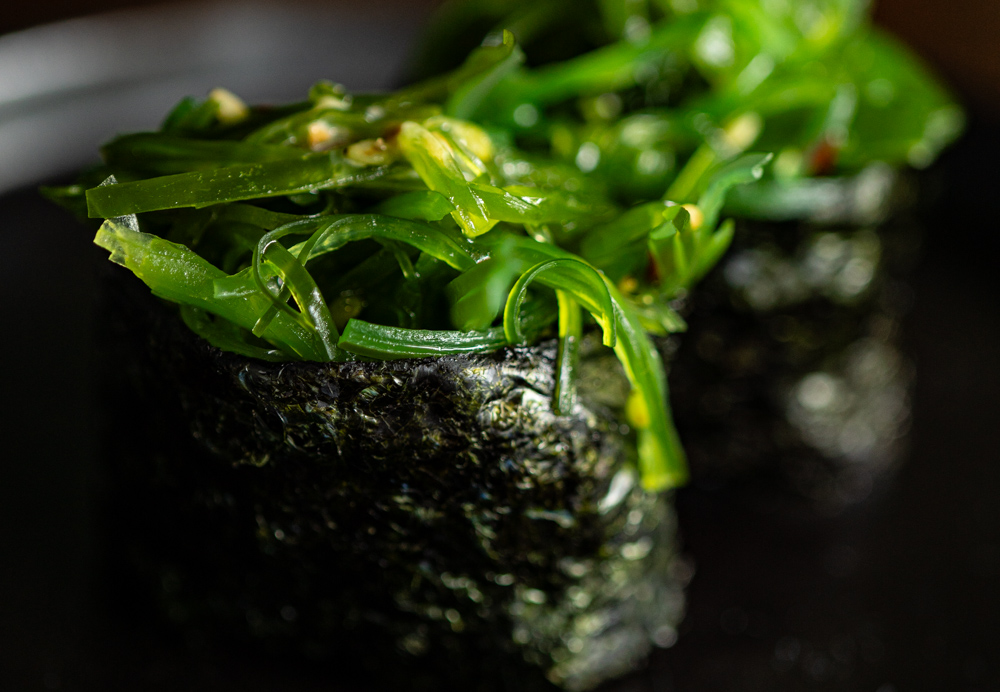
Captured within the intimate setting of a Japanese restaurant in Koh Phangan, Thailand, this macro study of Chuka Seaweed Gunkan sushi highlights the intricate textures of the dish. By utilizing soft, natural light streaming through a nearby window and setting the subject against a subtle green curtain, the photographer emphasizes the organic beauty of the seaweed. The decision to employ a macro lens reveals fine details that often go unnoticed, transforming a simple culinary item into a compelling visual narrative. This photograph is award-worthy for its technical precision and its ability to elevate everyday food photography into a refined, artistic display of form and color.
Natalia Zotova
Born in Moscow, Russia, Natalia Zotova is a versatile photographer currently based in Chiang Mai, Thailand. Her professional practice spans a diverse range of genres, including lifestyle portraiture, family and wedding photography, as well as commercial product and culinary work. Beyond her commissioned projects, she is a dedicated educator who shares her expertise through offline workshops and specialized online courses, helping aspiring photographers refine their craft across various creative spheres.
Resonance Score Breakdown
Transparency Note: The resonance score (2.3/20) is calculated based on social engagement metrics collected before the award announcement.
Expert Photography Reviews · 3
The Geometry of Sustenance
There is a quiet, almost mathematical patience in the way we prepare what we consume. We often treat the act of eating as a mere bridge between one hour and the next, a necessary refueling that we perform with our minds elsewhere.
Read the reflection →The Geography of Sustenance
We often treat the act of eating as a private, biological necessity, yet every meal is a map of global movement and local labor.
Read the reflection →Reviews & Comments
Share your thoughts about this award-winning photograph. Your reviews contribute to the community engagement score.
The jury’s obsession with the macro lens’s clinical sharpness here feels like a missed opportunity. It’s technically competent, sure, but it’s suffocatingly literal. I’d have loved to see Zotova abandon the f/2.8 resolution to explore the seaweed’s visceral, slimy abstraction. Why resolve every strand? This approach is closer to a sterile menu card than Hiroshi Sugimoto’s long-exposure theatres. It’s technically perfect, and honestly, that’s why I find it so profoundly, disappointingly boring.
Zotova’s macro work echoes the botanical precision of Karl Blossfeldt, yet she finds a strange, rhythmic vitality in the seaweed’s tangled geometry. It’s a departure from the clinical sterility often found in modern food catalogs. The shallow depth of field, rendered at f/2.8, softens the background into a painterly wash that recalls the impressionistic focus of early pictorialists. I’ve spent decades cataloging such textures, but the way this light catches the brine honestly made me hungry.
We look at this seaweed and we aren’t just seeing food; we’re seeing a life lived in the tides. Natalia’s lens listens to the organic, tangled textures of the Chuka, finding a quiet dignity in the harvest. It’s a portrait of the ocean’s labor, really. I’ve felt the salt air of Koh Phangan in these greens, and honestly, it makes me hungry for the stories behind the plate. It’s a photograph that asks to be returned to.