Common Sandpiper from Sundarbans by Saniar Rahman Rahul
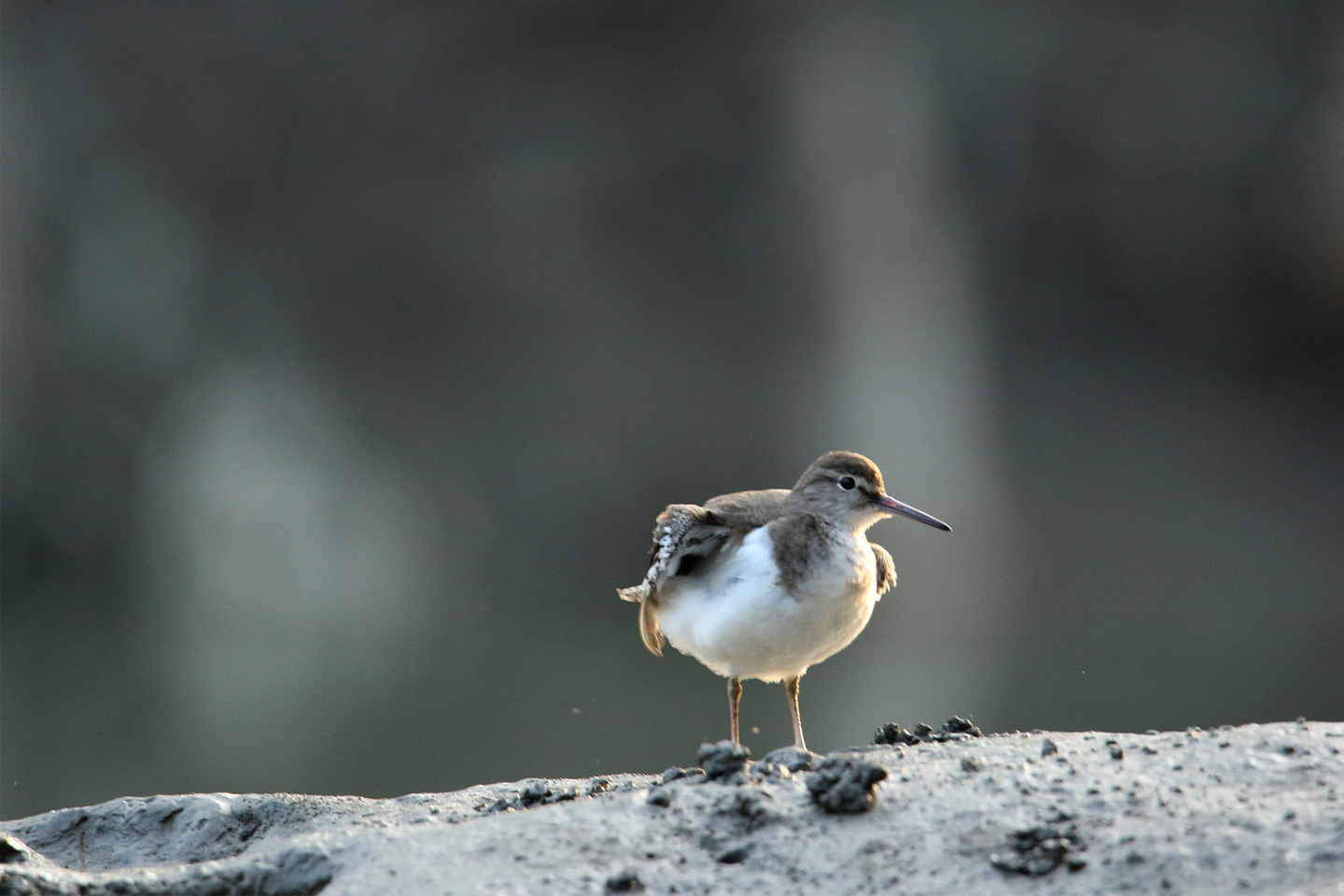
Captured in the Sundarbans during a quiet December morning, this photograph highlights a Common Sandpiper navigating the mudflats. The photographer was drawn to the stark contrast between the bird's unassuming presence and the immense, untamed landscape of the mangrove forest. By focusing on the sandpiper’s natural, rhythmic movement through the water, the image captures a serene, authentic moment of wildlife in its habitat. This shot is award-worthy for its clean composition and the way it elevates a simple, everyday encounter into a poignant reflection on the unique, quiet beauty found within one of the world’s most significant natural ecosystems.
Saniar Rahman Rahul
Saniar Rahman Rahul is a seasoned creative professional based in Dhaka, Bangladesh, whose photographic journey began in childhood while observing his father’s work. After establishing a successful career in graphic design and advertising, he rediscovered photography as a profound creative outlet in 1997. Currently serving as an Art Director at Grey Worldwide, Rahul brings a refined visual sensibility to his work, blending his extensive background in print media and advertising with a deep, enduring fascination for the natural world.
Resonance Score Breakdown
Transparency Note: The resonance score (7.0/20) is calculated based on social engagement metrics collected before the award announcement.
Expert Photography Reviews · 8
The Quiet Business of Living
When I was seven, my grandfather took me to the edge of the creek behind our house to watch the mud-skippers. He told me to be perfectly still, to become a stone, because the world only shows its true face to those who stop asking for its attention.
Read the reflection →The Geometry of the Shore
There is a quiet geometry to the way things occupy space. We often think of existence as a series of grand arrivals, but if you watch the tide long enough, you realize that life is mostly a matter of placement.
Read the reflection →Reviews & Comments
Share your thoughts about this award-winning photograph. Your reviews contribute to the community engagement score.
The sandpiper’s stride is caught mid-extension, but the shutter speed is a liability. At 1/320sec, the bird’s leading leg suffers from motion blur, losing the crisp definition of the tarsus hitting the mud. It’s a near miss. I’ve spent my life chasing that singular, frozen millisecond of peak tension, and this frame feels just a fraction too soft. It’s frustrating, honestly, because the composition is beautiful, but the physiology of the movement isn’t sharp enough.
The silt-heavy ochre of the Sundarbans mudflats bleeds into a muted, bruised violet, echoing the melancholic stillness one finds in a Morandi still life. It’s a palette of damp earth and fading light that makes my heart ache with its quietude. The sandpiper’s plumage, a delicate wash of slate and weathered stone, doesn’t merely inhabit this space; it dissolves into the atmosphere, creating a chromatic harmony so profound it feels like a whispered secret.
You waited in that mud, didn’t you? I can feel the damp chill of a December morning in the Sundarbans just looking at this. It’s not just a bird; it’s the quiet rhythm of a life that doesn’t care if we’re watching. And that’s the truth of it. You didn’t force a narrative. You just let the sandpiper exist in that vast, untamed space. There’s something honest happening here. I respect the patience it took.
The Sundarbans are a fragile, drowning edge of the world, yet here the sandpiper is just a prop for a clean composition. Why do we insist on aestheticizing this ecosystem while ignoring its encroaching collapse? It’s technically sharp, sure, but it feels hollow. I’m left cold by how the bird is isolated from the urgency of its own habitat. Does the frame’s silence mask a deeper indifference to what’s actually disappearing from these mudflats?
The mudflats here aren’t just a backdrop; they’re a textured, monochromatic stage that defines the sandpiper’s fragile existence. That rhythmic, silty surface forces the bird into a delicate dance of survival. I’m genuinely moved by how the vast, untamed Sundarbans swallows the subject, making its tiny, precise movements feel monumental. It’s a beautiful dialogue between a singular life and the immense, indifferent architecture of the mangroves. The environment doesn’t just house the bird; it dictates its story.
1/320sec at f/6.3, ISO 1000, 600mm. It’s a tight margin for a moving target. The 7D Mark II’s sensor struggles at ISO 1000, yet the noise is managed well enough. At 600mm, f/6.3 is a calculated risk that pays off with decent separation from the mudflats. I’ve spent hours in similar light; it’s unforgiving. You’ve nailed the focus on the eye. It’s technically sound, precise, and frankly, it’s a relief to see someone actually use their gear correctly.
The horizontal axis of the mudflat anchors the frame, providing a necessary counterweight to the sandpiper’s vertical displacement. It’s a disciplined arrangement. The negative space doesn’t merely exist; it forces the eye toward the bird’s precise placement at the lower third. I’ve rarely seen such structural restraint in wildlife work. The tonality of the silt creates a stark, monochromatic field that holds the subject firm. It’s cold, it’s rigid, and it’s entirely successful.
There’s a quiet dignity in how this sandpiper navigates the Sundarbans mud. It’s not a portrait of a person, yet I find myself searching those small, alert eyes for a story. It’s a lonely, beautiful existence out there in the silt. I feel a sudden, sharp ache for the solitude of that mangrove morning. Rahul didn’t just snap a bird; he waited, watched, and let the creature simply be. That’s a rare, honest gift.