The Way the Pumpkin Looks by Rodrigo Aliaga
Captivated by the unique aesthetic of the pumpkin, the photographer chose a vibrant pumpkin soup for this culinary assignment. The dish offered a rich palette of color and texture, providing the perfect canvas for creative experimentation. By introducing a single green leaf, the photographer created a striking visual contrast that elevates the warmth of the soup. This deliberate choice of composition and color balance transforms a simple meal into an evocative, award-worthy image, demonstrating a keen eye for detail and the ability to find artistic potential in everyday subjects.
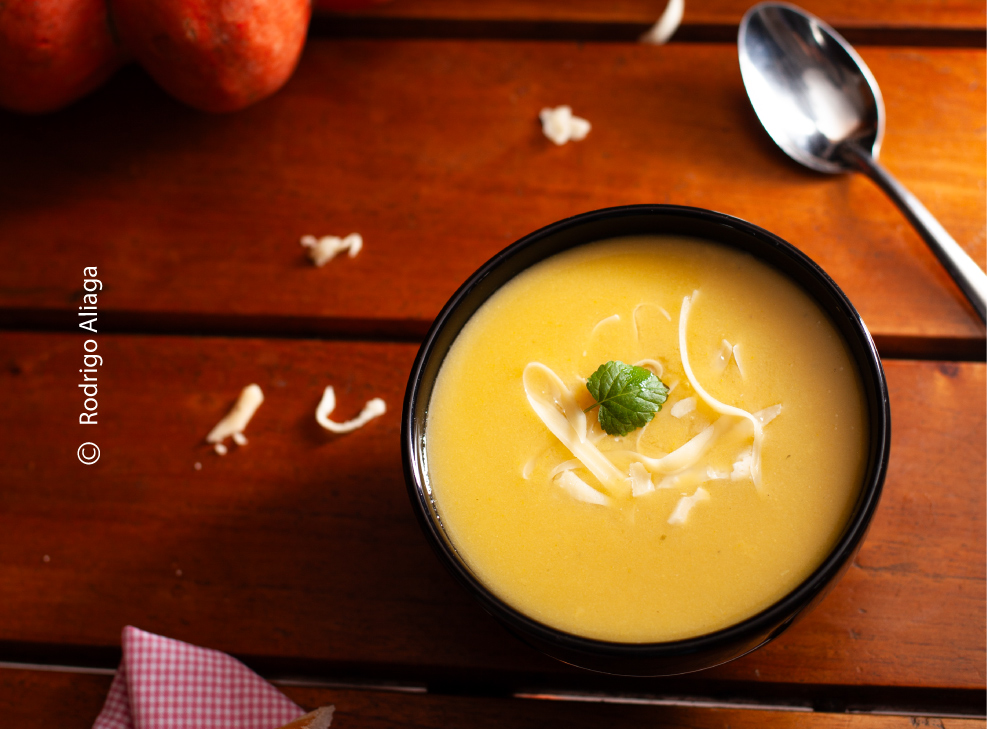
Exposure 1/40sec @ f/2.8 | ISO 100 | Focal Length 50mm
Rodrigo Aliaga
Born in La Paz, Bolivia, Rodrigo Tato Aliaga is a dedicated director of photography with an extensive background in film production and television advertising. After honing his craft through traditional analog cinematography, he transitioned into digital photography to further explore the intersection of technical precision and artistic expression. He currently specializes in food photography, where he leverages his deep understanding of light and composition to create exquisite, sensory-driven imagery that captures the essence of his culinary subjects.
Resonance Score Breakdown
Transparency Note: The resonance score (7.6/20) is calculated based on social engagement metrics collected before the award announcement.
Expert Photography Reviews · 7
The Weight of Harvest
In the deep autumn, when the light turns thin and brittle, there is a specific stillness that settles over the kitchen table. It is the color of dried wheat and cooling embers.
Read the reflection →The Weight of Sustenance
Winter is a long negotiation with hunger. When the frost hardens the soil, the body turns inward, seeking the warmth of things that have held the sun. We eat to remember the harvest, to keep the blood moving through the slow, grey hours.
Read the reflection →Reviews & Comments
Share your thoughts about this award-winning photograph. Your reviews contribute to the community engagement score.
It’s a pretty bowl of soup, sure, but where’s the person? I’ve spent my life looking for the human pulse in a frame, and here, there’s only a leaf. It’s technically sharp, but it feels cold—a sterile arrangement rather than a meal shared. I find myself craving the hands that stirred the pot or the face that served it. Without that connection, it’s just food. It doesn’t tell me a thing about La Paz.
It’s a tidy bit of composition, though one wonders if the soup was still steaming when the shutter clicked. I’ve spent enough hours shivering on Andean ridges to know that real depth isn’t found in a studio kitchen. It’s a pleasant enough study of color, certainly, but it feels like a quick lunch rather than a long-term commitment. I’d have preferred a bit more grit and a lot less garnish. It’s technically sound, but hardly earned.
You’ve got a sharp eye for color, but I’m looking for the person behind the bowl. That green leaf is technically perfect, yet it feels a bit staged for a magazine. I wanted to smell the steam or see the hands that cooked it. When I look at this, I don’t feel the grit of La Paz. It’s pretty, sure, but does it move you? I’d trade that polish for one messy, human detail.
Before the eye identifies the soup, a sudden stillness settles in the chest. That single, sharp green leaf against the velvet orange creates a sensory dissonance that pulls at my own hunger for home. It’s a quiet, visceral activation. When I return to this piece a year from now, I suspect that warmth will still feel like a held breath. It doesn’t just document a meal; it anchors a fleeting, golden memory of La Paz.
Most food photography is a sterile exercise in sharpness, but here, the 1/40sec shutter speed introduces a subtle, painterly instability. It’s refreshing. Rodrigo hasn’t just captured soup; he’s captured the vibration of the steam and the soft, organic blur of the pumpkin’s texture. Why resolve the edges when the warmth is what matters? It’s closer to a Rothko than a menu, and honestly, I’d rather stare at this messy, glowing abstraction than any crisp, clinical plate.
The rough, weathered texture of the wooden table anchors this scene, grounding the vibrant, golden soup in a tactile reality that feels distinctly La Paz. That singular, sharp green leaf isn’t just decoration; it’s a vital punctuation mark against the warmth. I’m genuinely moved by how the light catches the ceramic rim, turning a simple meal into a landscape. It’s not just food; it’s a portrait of a place, where the environment tells the story.
We look at this bowl and we don’t just see soup; we see the hands that stirred it. Rodrigo Aliaga listened to the quiet rhythm of a La Paz kitchen before he ever clicked the shutter. That single green leaf isn’t just a garnish—it’s a heartbeat against the golden warmth. It makes me feel hungry for the stories behind the meal. It’s a portrait of a culture, told through the simple, honest grace of sustenance.