A Moment for Eternity by Kirsten Bruening
Captured at the iconic Museum Louvre in Paris, this photograph immortalizes a family’s day filled with genuine joy and laughter. The photographer sought to preserve an irreplaceable memory, focusing on the spontaneous interactions that define a shared experience. By utilizing a precise aperture and shutter speed, the image strikes a perfect balance between the grand architectural backdrop and the intimate, candid expressions of the subjects. This piece is award-worthy for its ability to transform a fleeting moment of human connection into a timeless narrative, reminding viewers of the enduring power of photography to hold onto happiness for eternity.
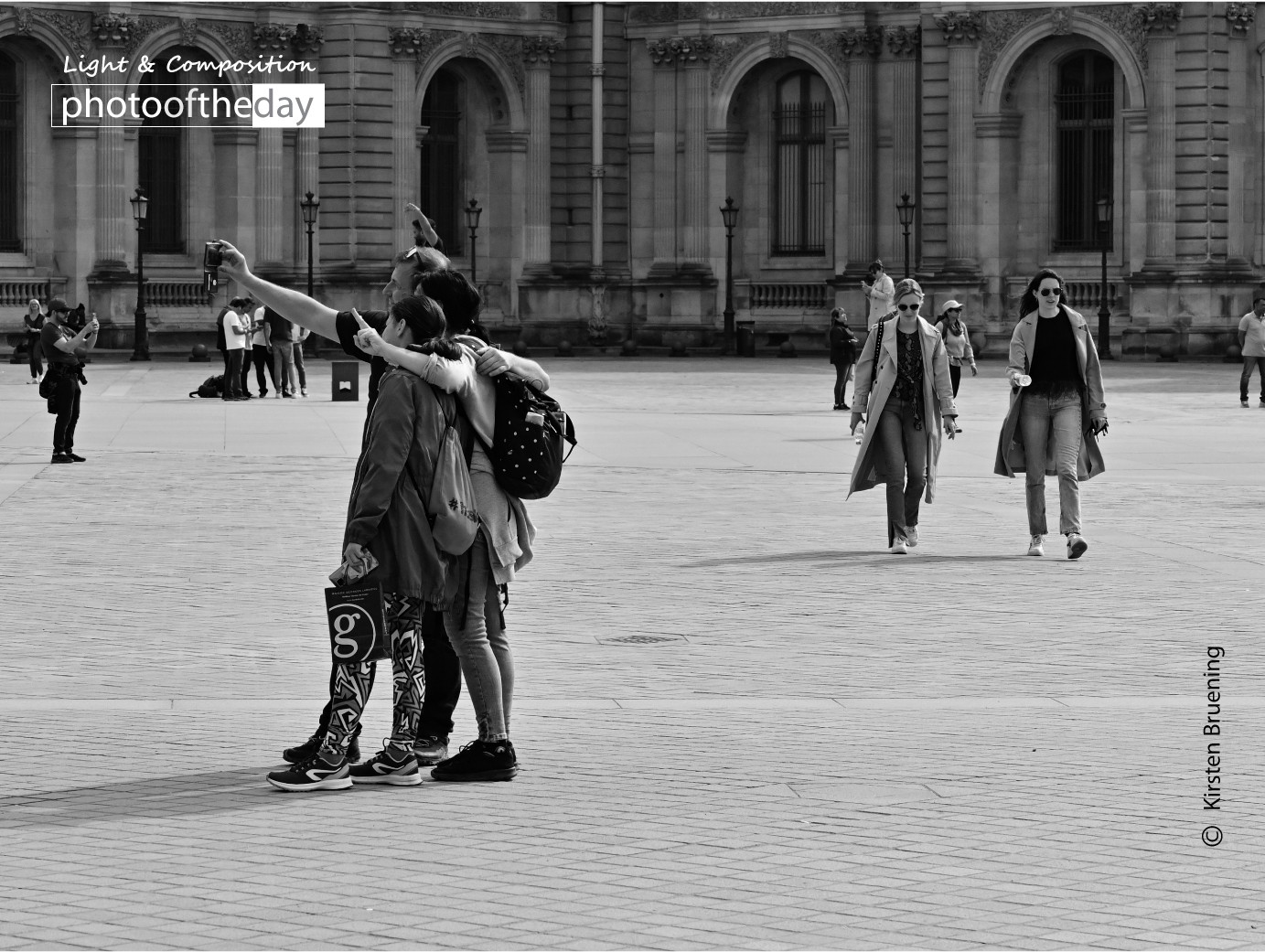
Kirsten Bruening
Based near Cologne, Germany, Kirsten Bruening is a dedicated photographer whose creative journey began in childhood with an exploration of analogue techniques. After a fifteen-year hiatus, she returned to the craft with a renewed focus on portraiture, wildlife, and nature photography, often favoring the expressive depth of black and white imagery. Driven by a fascination with the interplay of light and shadow, she is currently pursuing formal studies to further refine her technical expertise and artistic vision.
Resonance Score Breakdown
Transparency Note: The resonance score (8.9/20) is calculated based on social engagement metrics collected before the award announcement.
Expert Photography Reviews · 7
The Weight of a Second
There is a specific cruelty in the way a Tuesday afternoon in July can vanish. I am thinking of the way my mother used to set the table, the precise clink of the silver against the porcelain, a sound that existed for years and then, quite suddenly, stopped.
Read the reflection →The Weight of a Second
If time is a river that never stops, why do we spend our lives trying to build dams against the current? We are obsessed with the idea of preservation, clutching at fleeting expressions and passing light as if we could anchor them to the earth.
Read the reflection →Reviews & Comments
Share your thoughts about this award-winning photograph. Your reviews contribute to the community engagement score.
You caught them in a pocket of pure, unscripted light. It’s easy to get lost in the Louvre’s scale, but you didn’t. You kept your eyes on the family. And that’s where the truth lives. I’ve spent years in crowds, and I know how hard it is to isolate a genuine laugh against that much stone. You waited. I can feel the warmth of their connection. It’s a rare, honest slice of humanity. Well done.
The Louvre’s cold, geometric stone creates a rigid stage, yet the light catching those limestone textures softens the grandeur. It’s a classic tension between monumental history and fleeting life. I’m struck by how the architecture frames their laughter, turning a simple family outing into a Renaissance composition of joy. The environment doesn’t just house them; it elevates their intimacy. It’s lovely to see how the vastness of Paris makes their shared happiness feel so profoundly, beautifully permanent.
There’s a genuine warmth here that’s hard to fake. You can tell this family didn’t just tolerate the lens; they invited it into their joy. It’s not a stolen moment, but a shared one. I’m struck by the way the mother’s hand rests on her child—it’s so tender, so grounded. This face has a whole life in it. It’s rare to see such unforced intimacy against the cold, grand stone of the Louvre.
The Louvre’s stone doesn’t just frame these figures; it consumes them. Bruening captures joy, yet it’s the encroaching darkness beneath the arches that haunts me. It’s a heavy, suffocating silence that reminds us that even our brightest memories are merely brief interruptions in a vast, indifferent architecture. I find myself shivering at the contrast. We aren’t looking at a family; we’re looking at ghosts desperately trying to outrun the inevitable shadow that claims every Parisian afternoon.
The Louvre’s grandeur swallows this family whole, turning their intimacy into mere decorative filler for a postcard. Why does the architecture demand such dominance over their joy? I’m left feeling a strange, hollow ache looking at these tiny figures framed by cold stone. Is their happiness authentic, or are they just performing for the lens against a backdrop of cultural capital? It’s a polished scene, but whose memory are we actually consuming here? It feels staged.
The Louvre’s rigid geometry provides a necessary anchor for the chaotic subjects. The vertical lines of the glass pyramid create a sharp, unforgiving grid. It’s a cold architecture, yet the subjects’ placement creates a vital fulcrum against the stone. I’ve grown weary of sentimental street scenes, but the spatial tension here actually holds. The frame doesn’t collapse under the weight of the moment. It’s rare to see such structural discipline survive a candid encounter.
The Louvre’s stone wall looms. It’s vast. Cold. Yet, the family’s laughter pulls the eye toward the center. They’re small against the architecture. I’ve spent minutes watching them. The space around them isn’t just air; it’s the weight of history pressing in. It’s quiet. Nothing here is accidental. The empty corner is not empty. It’s the silence between their joy and the stone. I feel a sudden, sharp ache for the stillness they’ve found.