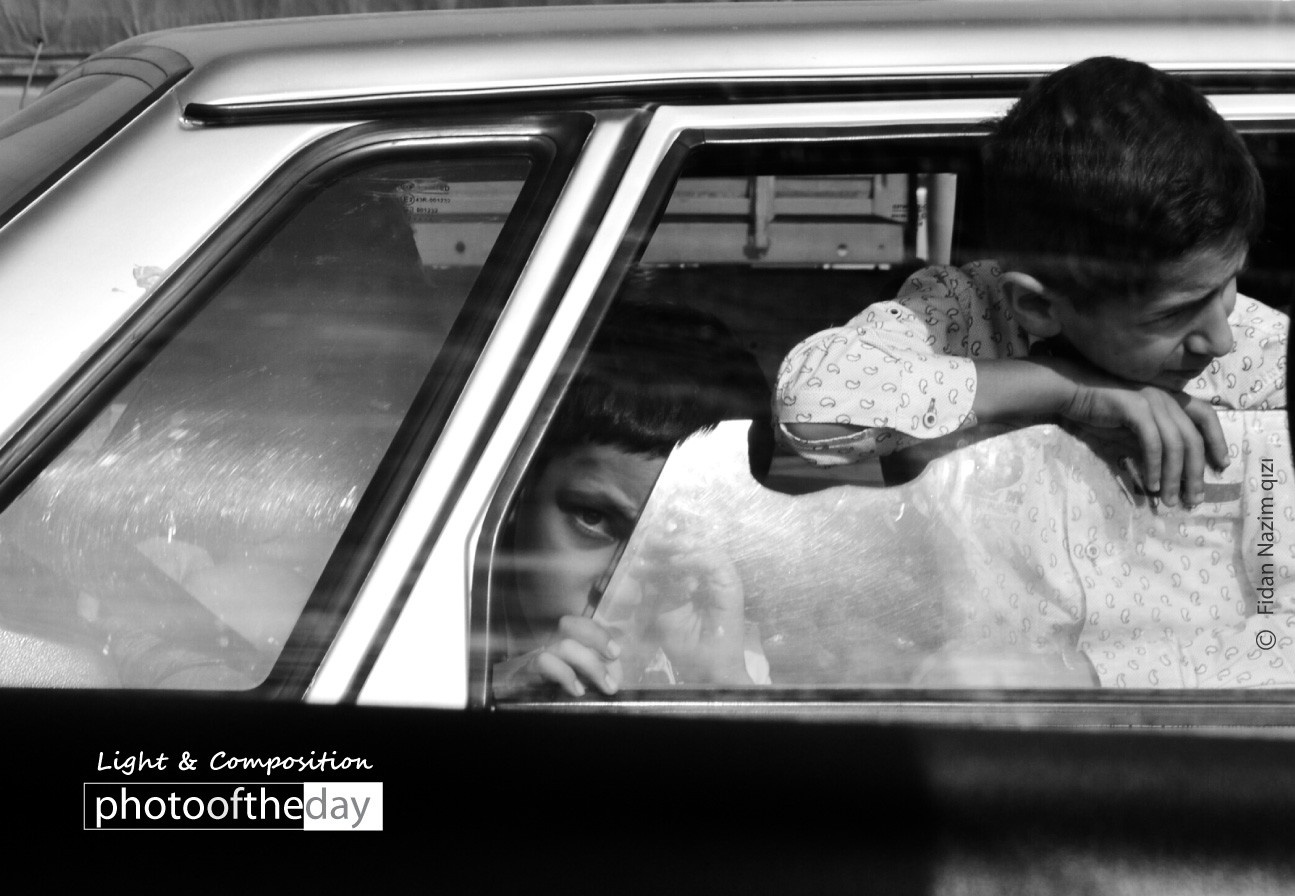
My Way by Fidan Nazim Qizi
In capturing 'My Way,' the photographer sought to transcend the visual, aiming to encapsulate the sensory essence of the environment—the scent of the earth, the tactile sensation of the breeze, and the ambient sounds of the scene. By interpreting reality through a deeply personal lens, the photographer transforms a fleeting moment into a profound narrative experience. This image stands as an award-worthy testament to the power of photography to bridge the gap between physical space and emotional resonance, demonstrating a keen ability to translate subjective experience into a compelling, evocative visual language.
Fidan Nazim Qizi
Born in Baku, Azerbaijan, Fidan Nazim Qizi maintains her base in her home city while frequently traveling abroad to capture the natural world. An avid hiker with a deep passion for mountain landscapes, she was profoundly influenced by the work of Vivian Maier, which inspired her to specialize in the black and white medium. Fidan views photography as a vital source of energy and inspiration, consistently striving to translate the raw emotions and beauty of her surroundings into evocative, monochromatic compositions.
Resonance Score Breakdown
Transparency Note: The resonance score (9.2/20) is calculated based on social engagement metrics collected before the award announcement.
Expert Photography Reviews · 5
The Geometry of Belonging
Cities are often designed as machines for efficiency, prioritizing the flow of capital and the movement of traffic over the messy, lived reality of the individual.
Read the reflection →The Weight of the Path
I keep a small, rusted iron key in the bottom drawer of my desk, though I have long since forgotten which door it once opened. It is heavy for its size, cold to the touch, and carries the faint, metallic scent of a house that no longer exists.
Read the reflection →Reviews & Comments
Share your thoughts about this award-winning photograph. Your reviews contribute to the community engagement score.
Stripped of chromatic distraction, one finds a monochromatic architecture where the silver-grey of Baku’s stone breathes with the melancholic stillness of a Morandi still life. It’s a tactile silence, isn’t it? I’m genuinely moved by how the absence of pigment forces the eye to map the light’s soft, chalky descent across the pavement, turning the scene into a velvet meditation on texture that feels, quite simply, like the weight of a long-forgotten memory.
The stark, textured stone of Baku’s architecture frames the subject, creating a rhythmic geometry that feels almost tactile. I’m struck by how the light clings to the rough masonry, grounding the figure in a history that’s clearly etched into the walls themselves. It’s not just a backdrop; the city’s weight defines her posture. She doesn’t just inhabit this space; she’s an extension of it. I find myself wanting to reach out and touch that cold, ancient stone.
It’s refreshing to see Baku rendered not as a postcard, but as a smear of kinetic intent. By abandoning the crutch of sharpness, Qizi forces us to feel the city’s pulse rather than just count its bricks. This approach is closer to Hiroshi Sugimoto’s long-exposure theatres than to conventional street photography. I’m genuinely moved by the way she’s chosen not to resolve the architecture; it’s a brave, necessary refusal to let clarity dictate the truth.
Baku’s concrete doesn’t usually hold a gaze this long. One suspects Fidan didn’t just stumble upon this geometry; she likely stood in the biting wind until the shadows aligned precisely with her intent. It’s a quiet, disciplined frame that suggests she’s been back to this spot more than once. I’ve spent enough hours shivering on street corners to recognize the patience required here. It’s a rare, earned stillness. She’s clearly done the work.
The frame breathes. It’s a long take of Baku, where the grain feels like the grit of the city itself. I’m struck by how the light cuts through the shadows; it’s a rhythm I’ve chased on set for years. The shutter caught the exact moment the motion stopped, freezing a narrative that doesn’t need a sequel. It’s a perfect cut. I’d have kept this frame on the wall of the edit suite forever. It’s cinema.