
Dawn of the Heroes by Erfaneh Nikpendar
Captured in the quiet, pre-dawn hours atop Mount Sufa in Isfahan, this photograph reflects the photographer's commitment to finding beauty in the journey. By ascending the rugged terrain before sunrise, the photographer embraced the challenge of the climb, transforming a routine hike into a moment of artistic discovery. The image serves as a testament to the philosophy that one need not wait for extraordinary circumstances to create compelling art, but rather seize the common occasions encountered along the way. Its evocative composition and atmospheric quality highlight the photographer's ability to translate the stillness of the mountains into a powerful visual narrative.
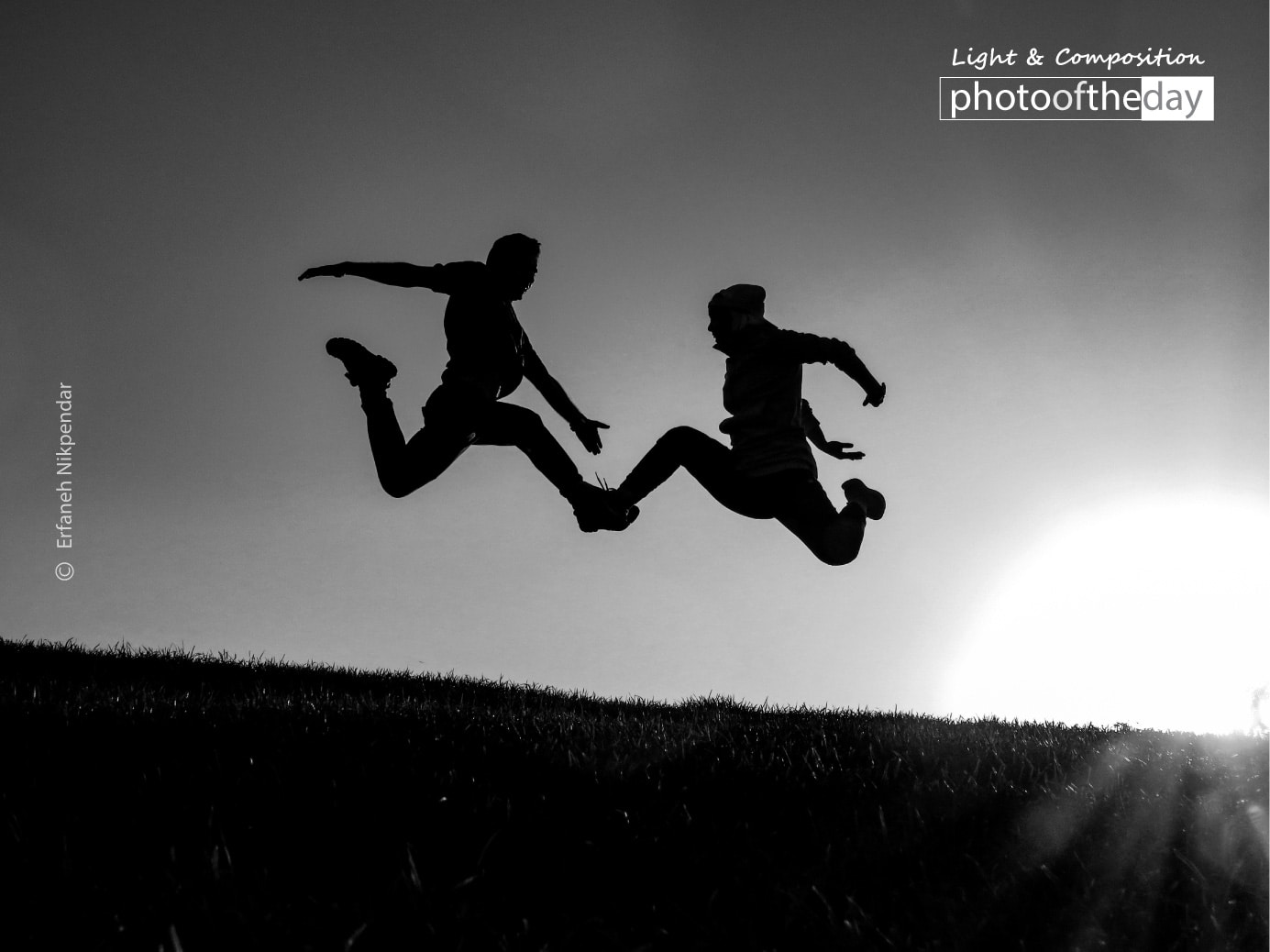
Canon EOS 6D with Canon EF 24-70mm f/2.8L II USM
Exposure 1/125sec @ f/4.0 | ISO 1250 | Focal Length 70mm
Exposure 1/125sec @ f/4.0 | ISO 1250 | Focal Length 70mm
Copyright © Erfaneh Nikpendar
Light & Composition Photo of the Day
Erfaneh Nikpendar
REGISTERED
PHOTOGRAPHER
Born in Iran, Erfaneh Nikpendar is an emerging photographer and student based in Isfahan. Driven by a deep passion for the arts, she views photography as a vital source of motivation that allows her to express her unique perspective on the world. Her work, which has earned local recognition, reflects a dedicated approach to capturing the beauty of her surroundings, particularly during her travels. As she balances her academic pursuits with her creative endeavors, she continues to refine her craft and explore the transformative power of visual storytelling.
Profile
View Full Profile
 (c) Light & Composition University
I love this photo. The focal point is clear and you can easily sense the chiaroscuro. Good job:)
i dont know actually why im here?
Thanks anyway@_#
Awesome!?
beautiful
What a nice pic ?
Interesting?
Exellent??
Nice?
That’s very nice and valuable ?
Very nice