Dawn of the Heroes by Erfaneh Nikpendar
Captured in the quiet, pre-dawn hours atop Mount Sufa in Isfahan, this photograph reflects the photographer's commitment to finding beauty in the journey. By ascending the rugged terrain before sunrise, the photographer embraced the challenge of the climb, transforming a routine hike into a moment of artistic discovery. The image serves as a testament to the philosophy that one need not wait for extraordinary circumstances to create compelling art, but rather seize the common occasions encountered along the way. Its evocative composition and atmospheric quality highlight the photographer's ability to translate the stillness of the mountains into a powerful visual narrative.
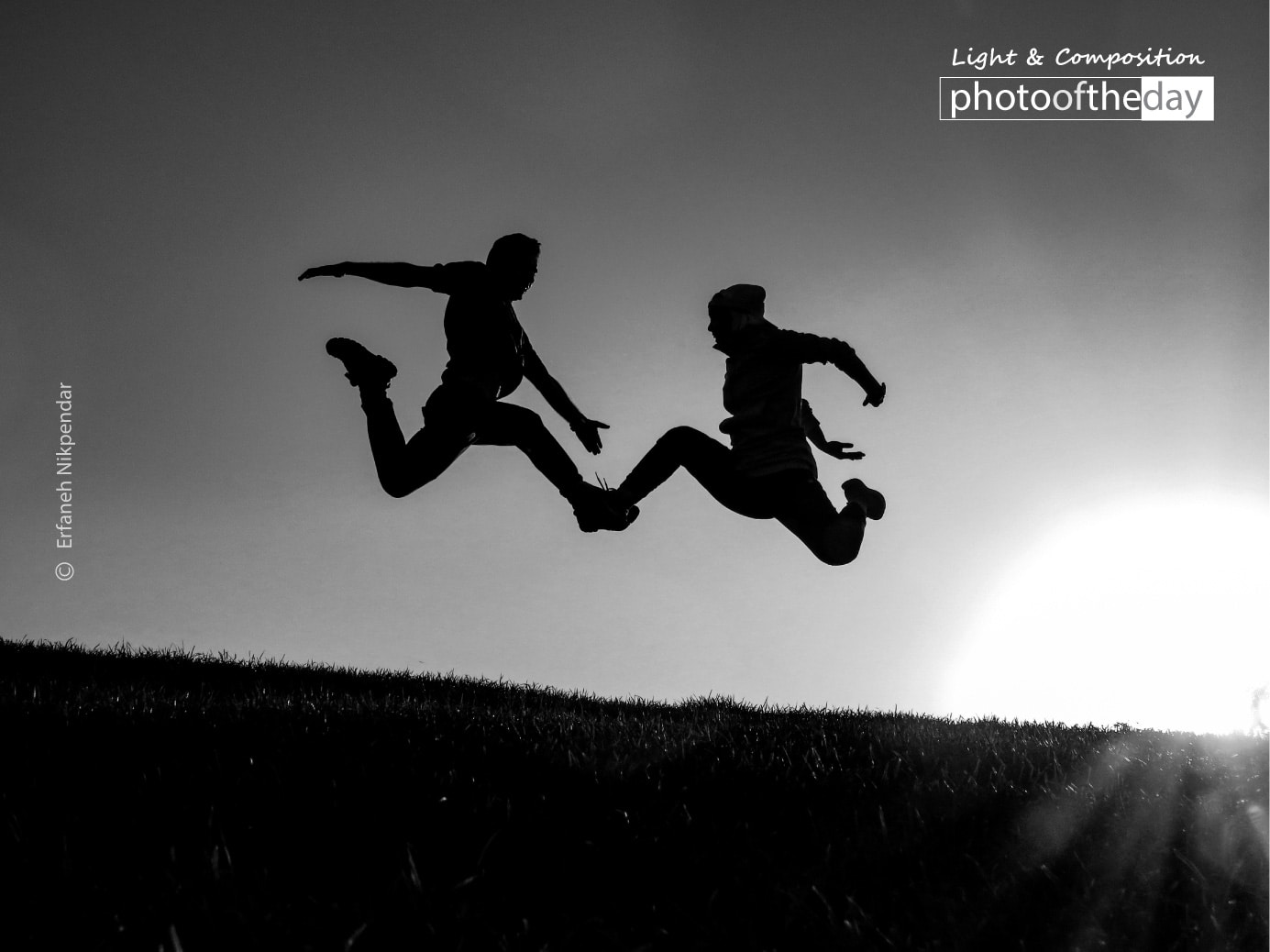
Exposure 1/125sec @ f/4.0 | ISO 1250 | Focal Length 70mm
Erfaneh Nikpendar
Born in Iran, Erfaneh Nikpendar is an emerging photographer and student based in Isfahan. Driven by a deep passion for the arts, she views photography as a vital source of motivation that allows her to express her unique perspective on the world. Her work, which has earned local recognition, reflects a dedicated approach to capturing the beauty of her surroundings, particularly during her travels. As she balances her academic pursuits with her creative endeavors, she continues to refine her craft and explore the transformative power of visual storytelling.
Resonance Score Breakdown
Transparency Note: The resonance score (12.1/20) is calculated based on social engagement metrics collected before the award announcement.
Expert Photography Reviews · 8
The Persistence of Ascent
Alpine marmots spend up to nine months of the year in deep hibernation, their heart rates slowing to a few beats per minute, yet they emerge from the frozen earth with an unerring instinct for the exact moment the snow begins to thin.
Read the reflection →The Quiet Before the Climb
I woke up at four this morning because the house was too quiet. Usually, I hate the dark, but there was something about the stillness that felt like a secret. I made tea and sat by the window, watching the streetlights flicker against the fading night.
Read the reflection →Reviews & Comments
Share your thoughts about this award-winning photograph. Your reviews contribute to the community engagement score.
I love this photo. The focal point is clear and you can easily sense the chiaroscuro. Good job:)
i dont know actually why im here?
Thanks anyway@_#
Awesome!?
beautiful
What a nice pic ?
Interesting?
Exellent??
Nice?
That’s very nice and valuable ?
Very nice
The mountain air hits you first. It’s a cold, breathless frame, held in the grey transition before the sun breaks. Nikpendar caught the exact moment the world stops moving. I’ve spent hours in editing suites looking for this kind of stillness, that perfect beat where the narrative hangs suspended in the dark. It’s a quiet, rugged sequence that didn’t need a cut. Honestly, I’d give anything to have been on that climb to feel it.
Mount Sufa’s stillness feels heavy, yet I’m left wondering who owns this silence. Nikpendar frames the peak as a solitary conquest, but does the lens erase the history of those who walk these paths daily? It’s technically sharp, sure, but the composition feels detached from the land itself. Why does the mountain exist only as a backdrop for a personal journey? I find the exclusion of local context unsettling. Whose narrative are we actually climbing here?
The frame resolves into a precise 1:2 ratio, anchoring the dark, jagged silhouette of Mount Sufa against a gradient sky. It’s a masterclass in triangular tension; the mountain’s peak acts as a vector, pulling the eye toward the negative quadrant. I’m genuinely moved by how the light’s subtle fall-off balances the mass of the foreground. It’s a perfectly solved spatial equation, where the geometry of the climb dictates the emotional weight of the dawn. Simply brilliant.
The mountain air was thin and biting when she arrived. I’ve felt that same cold seep into my bones while waiting for the sun to break the horizon. She didn’t rush the climb; she listened to the silence of Mount Sufa until the light finally softened. It’s a quiet, humble frame. Looking at those shadowed peaks, I feel a sudden, sharp longing for the stillness of an Iranian dawn. She let the land reveal itself.
High atop Mount Sufa, we find a silence that isn’t empty, but expectant. Erfaneh didn’t just climb; she listened to the mountain’s pre-dawn breath. We see the rugged horizon and feel the weight of the journey in those shadows. It’s a portrait of a landscape waiting for its hero to arrive. Honestly, looking at these stones, I feel a sudden, quiet ache for the stillness I’ve lost. It’s a photograph that asks to be returned to.
The rugged, jagged textures of Mount Sufa aren’t just scenery; they’re the grit that defines our subject’s resolve. The pre-dawn light clings to the stone, echoing the stark chiaroscuro of a Caravaggio canvas. It’s breathtaking how the mountain’s harshness carves out the figure’s silhouette. I’m truly moved by this stillness. The environment here doesn’t merely frame the person—it demands we acknowledge that their strength is forged directly from the earth they’ve chosen to conquer.
Up on Mount Sufa, the stillness feels earned. I’ve spent enough time in the field to know when a subject is truly present, and here, there’s a quiet collaboration. The way they hold their gaze against the dawn isn’t just posing; it’s an invitation. This face has a whole life in it, and I feel a genuine ache for the peace they’ve found. It’s a gift, not a capture. You can’t fake that kind of trust.
Most critics obsess over the crisp edges of Mount Sufa, but I’m drawn to the murky, unresolved shadows. It’s a relief to see Nikpendar resist the urge for clinical sharpness. This approach feels closer to Hiroshi Sugimoto’s long-exposure theatres than to conventional landscape practice. Why resolve the details when the atmosphere is this heavy? I’ve spent too long looking at perfect pixels; the grain here actually makes me feel the cold, thin air of that pre-dawn climb.